
Expansion of Staff to Address Ambulance Response Challenges
The Scottish Ambulance Service has taken significant steps to address the growing concerns around ambulance response times. As part of a broader initiative, nearly 100 additional staff members have been recruited to ensure that ambulances are dispatched only when absolutely necessary. This move comes in response to the increasing pressure on the service, particularly as winter approaches.
Health Secretary Neil Gray recently announced the recruitment drive at the Scottish Ambulance Service. The new hires include 25 call handlers and 22 GPs, clinical advisers, and advanced practitioners. These professionals will work at the integrated clinical hub, providing care for less seriously ill patients who do not require A&E services.
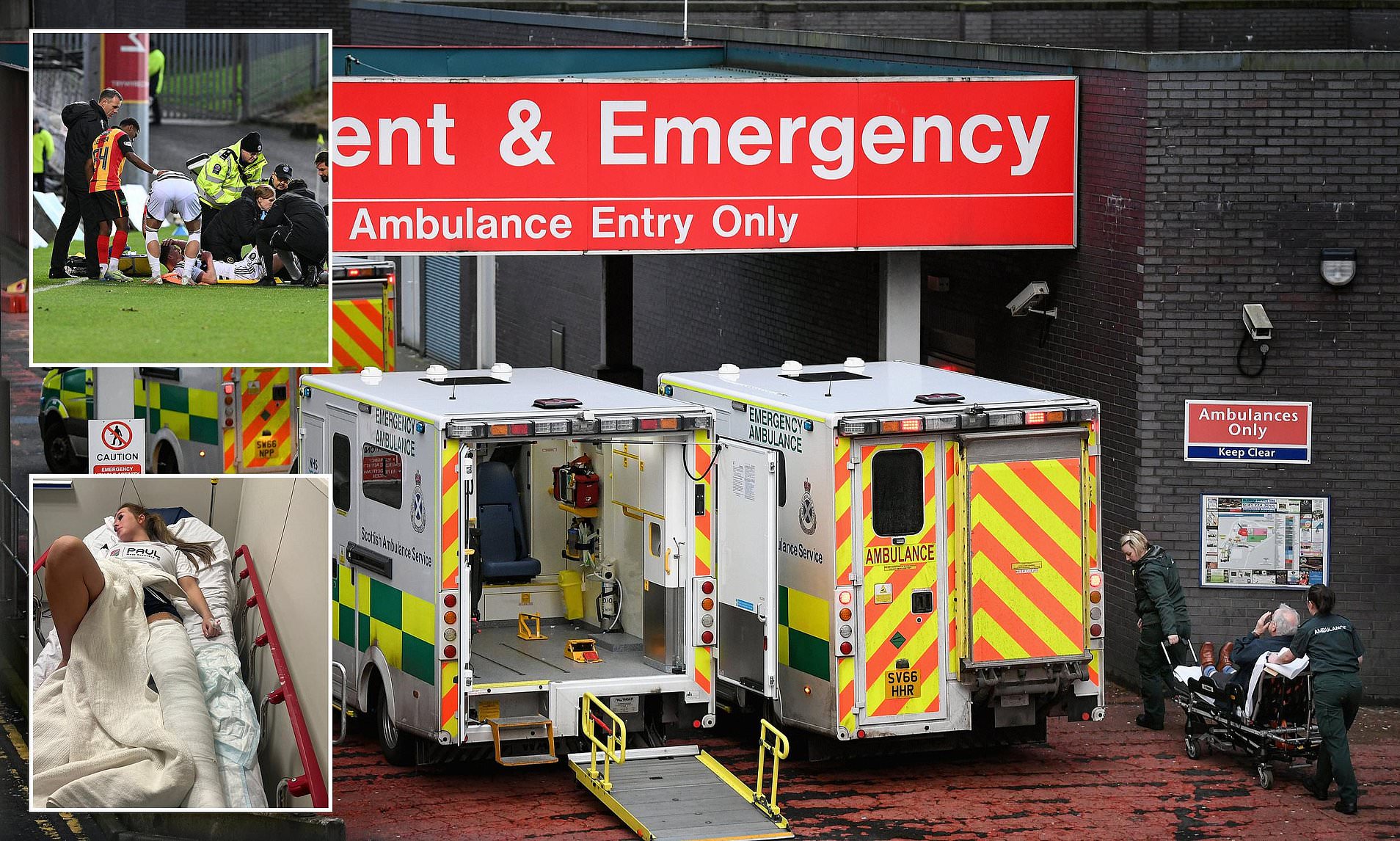
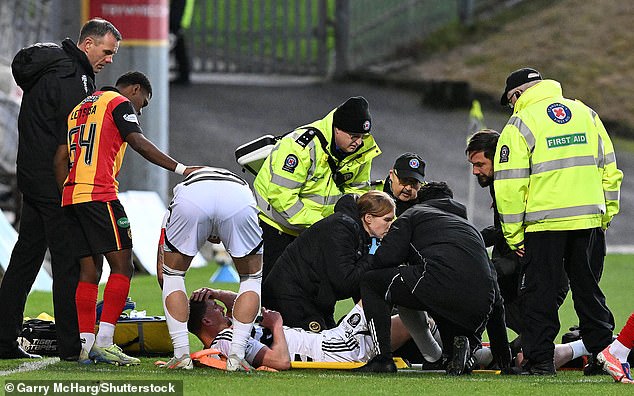
This expansion is a direct response to the rising waiting times across all call types over the past year. High-profile cases, such as those involving footballers Brooke Paterson and Charlie Fox, who waited in pain for hours before an ambulance arrived, have highlighted the urgency of the situation.

The under-pressure ambulance service acknowledges that the upcoming winter will be particularly challenging due to the ongoing A&E crisis. Ambulances often get stuck for hours outside hospitals, exacerbating the problem.
During a visit to the South Queensferry ambulance control centre, Mr. Gray emphasized the importance of this expansion. He stated:
“The expansion of up to 100 staff including GPs to make these high-level critical clinical decisions is to make sure that we are directing ambulances most appropriately to those who need that care the most, and ensure that people who still have concerns and issues that need responded to are given the appropriate advice and clinical support elsewhere within the system.”

The data from the week commencing October 27 shows some improvements in response times for the most critical calls. For ‘purple’ calls, the median response time was seven minutes and 51 seconds, compared to seven minutes and 16 seconds in the last week of October 2024.
For ‘red’ calls, the median response time was nine minutes and 25 seconds, which was 40 seconds longer than the same week last year. For ‘amber’ calls, the response time increased from 18 minutes and 20 seconds to 21 minutes and 30 seconds. In contrast, ‘yellow’ calls saw a significant increase, with the median response time rising to one hour, three minutes, and five seconds from 40 minutes and 21 seconds.
Michael Dickson, chief executive of the Scottish Ambulance Service, explained that response times are influenced by activity and demand. He noted that the funding received helps support patients who may not require an ambulance, thereby freeing up capacity.
He also pointed out that hospital handover delays are a major issue. Ambulances often wait for hours outside hospitals, preventing crews from responding to other patients. Dickson acknowledged that ambulance delays are a symptom of the overall system pressure, with delayed discharges remaining a persistent problem.
When asked about apologies to patients like Ms. Paterson and Mr. Fox, Dickson expressed his deep concern and offered his apologies. He emphasized the importance of creating capacity and avoiding ambulances joining the back of the queue.
In the most recent week, the median turnaround time for ambulances dropping patients off at hospitals was 51 minutes and 26 seconds, compared to 47 minutes and 44 seconds in the same week last year.
Scottish Conservative health spokesman Sandesh Gulhane criticized the recruitment efforts, stating that the figure is a drop in the ocean for the struggling NHS. He highlighted the risks patients face, with some waiting close to a day before paramedics arrive.
Gulhane called on SNP ministers to tackle the root causes of the crisis, emphasizing that more staff alone will not fix the issues. The challenges faced by the ambulance service continue to raise concerns about the future of emergency care in Scotland.