
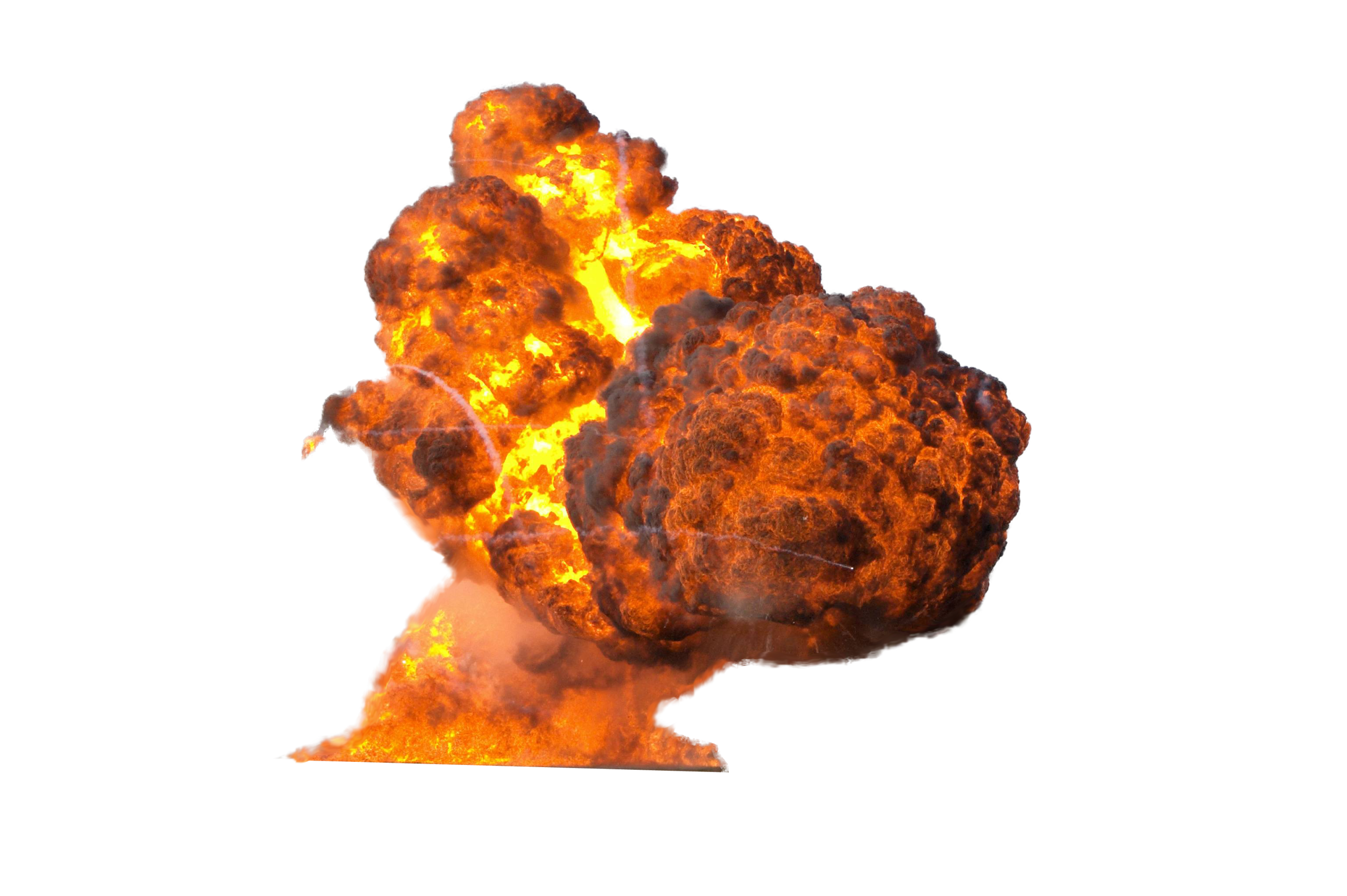
Explosion at Ammunition Depot in Khartoum
On November 7, 2025, an ammunition depot exploded at a Joint Force headquarters located in the new Souq Sita area, near the “Konika” region, south of Sudan’s capital, Khartoum. The incident resulted in two people being injured, according to volunteers who confirmed the event on Friday.
The south Hizam (belt) area has been experiencing a period of stability and a gradual return to normal life since the army took control of Khartoum state in May of the same year. This relative calm has allowed communities to begin rebuilding and resuming daily activities.
A member of the South Hizam Emergency Room, who spoke to Sudan Tribune under the condition of anonymity for security reasons, revealed that the depot belongs to a post of the Joint Force, a Sudanese Alliance group led by former West Darfur governor Khamis Abkar. The location of the depot is in the new Souq Sita, northwest of Square 25 in Al-Azhari, Khartoum.
The Joint Force of armed movements has been collaborating with the Sudanese army in their efforts to combat the Rapid Support Forces, which have been involved in ongoing conflicts in the region.
According to the source, the explosion caused two individuals to be injured and subsequently transported to Bashair Hospital, where their conditions are reported to be stable. The incident has raised concerns among local residents, as successive explosions in the area have led to panic and fear within the community.
A Civil Defence team was quickly dispatched to the scene and managed to extinguish the fire, preventing further damage or potential casualties. The swift response from emergency services highlights the importance of preparedness in such volatile regions.
Impact on the Local Community
The explosion has had a significant impact on the local population, disrupting daily routines and creating a sense of uncertainty. Residents in the area have expressed concern over the safety of their neighborhoods, especially given the history of conflict in the region.
Local authorities and community leaders have called for increased security measures and better coordination between different groups to prevent similar incidents in the future. They emphasize the need for transparency and communication to ensure that the public is informed about any potential threats.
In addition to the immediate effects of the explosion, there are broader implications for the region’s stability. The continued presence of armed groups and the lack of a comprehensive peace agreement have left many areas vulnerable to violence and unrest.
Ongoing Conflicts and Challenges
The situation in Khartoum remains complex, with multiple factions vying for control and influence. The Sudanese army, the Rapid Support Forces, and various armed movements all play a role in shaping the current landscape. This dynamic environment makes it difficult to achieve lasting peace and security.
Efforts to address the root causes of the conflict, including political instability, economic hardship, and ethnic tensions, are essential for long-term solutions. International support and cooperation are also crucial in helping Sudan navigate these challenges.
As the situation continues to evolve, it is important for the global community to remain vigilant and engaged. Reports from the ground, like the one detailing the recent explosion, serve as reminders of the ongoing struggles faced by the people of Sudan.
Future Outlook
Looking ahead, the focus should be on fostering dialogue and cooperation among all stakeholders. This includes not only the military and political leaders but also civil society organizations and international partners. By working together, there is a possibility of creating a more stable and secure future for the people of Sudan.
Investing in education, healthcare, and economic development can also contribute to long-term peace and prosperity. These efforts must be accompanied by a commitment to human rights and the rule of law to ensure that all citizens are protected and empowered.
As the dust settles from the recent explosion, it is clear that the path to peace and stability will require sustained effort and dedication. The lessons learned from past conflicts must inform future actions, guiding the nation towards a more hopeful and resilient future.