

The NHS Bonfire of Bureaucrats: A Major Restructuring Begins
The long-anticipated restructuring of the NHS has finally taken a significant step forward, with the health secretary, Wes Streeting, unlocking £1 billion to fund 18,000 redundancies. This move aims to eliminate layers of management across NHS England, the Department of Health and Social Care, and local care boards. The initiative is part of a broader plan to reduce bureaucracy and free up funds for frontline care.
Sir Keir Starmer had previously announced the intention to shut down NHS England, which he described as the “world’s largest quango,” due to its duplication of work elsewhere. The goal was to cut waste and redirect resources toward improving patient care by reducing the number of administrative staff by half. However, the process faced delays due to disputes over who would cover the high costs of redundancy payments.
The Treasury initially resisted requests for additional funding, while NHS officials argued they could not afford the expenses from their existing budgets. It has now been revealed that the Treasury has refused extra funding beyond the NHS’s current three-year budget. Instead, the NHS will be allowed to overspend this year to cover the redundancy costs, with the hope of recouping these expenses in the future.
According to the Department of Health, the reforms are expected to significantly reduce red tape and bureaucracy, generating £1 billion annually by the end of the Parliament to enhance patient services. The department claims that every £1 billion saved through reduced bureaucracy can fund an additional 116,000 hip and knee operations.
NHS England and the Department of Health have been instructed to proceed with voluntary redundancies, while Integrated Care Boards, responsible for planning health services in specific regions, will move directly to compulsory redundancies. Chancellor Rachel Reeves is anticipated to make further announcements regarding the health service in the upcoming Budget on November 26.
At the NHS Providers’ annual conference in Manchester tomorrow, Mr. Streeting is expected to address the challenges ahead. He will emphasize the importance of using taxpayer money wisely, highlighting recent achievements such as cutting waiting lists for the first time in 15 years, recruiting 2,500 more GPs, and reducing ambulance wait times for critical conditions like heart attacks and strokes.
He will also mention the positive impact of investments in evening and weekend services, modern technology, and staff retention. According to recent figures, productivity has increased by 2.4 per cent due to cuts in wasteful spending on recruitment agencies. This has led to better value for money in the NHS.

Mr. Streeting will continue by stating that the NHS is now accelerating efforts to reduce unnecessary bureaucracy, allowing savings to be reinvested in frontline care. While the changes will not happen overnight, he believes that with continued investment and modernization, the NHS can be rebuilt to serve patients effectively once again.
Remaining functions of NHS England will be integrated into the Department of Health within two years. Integrated Care Boards have been tasked with transforming the NHS into a neighborhood-based health service, focusing more on care outside of hospitals.
Sir Jim, a key figure in the NHS, expressed optimism about the changes, stating that it is good news for both staff and patients. He emphasized that the move will provide greater certainty for all involved, freeing up resources to invest in frontline services and reduce bureaucratic hurdles that hinder care improvements.
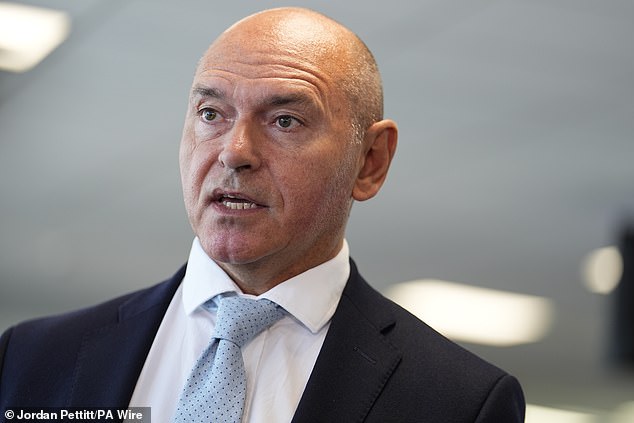
Daniel Elkeles, chief executive of NHS England, acknowledged the significance of this pragmatic step, noting that planned redundancies can now proceed. He highlighted the flexibility of the three-year budget, which allows some funding to be brought forward to generate future savings for frontline care.
However, he also recognized the uncertainty faced by staff affected by these changes, emphasizing the commitment and service they have provided to the NHS.
Matthew Taylor, chief executive of the NHS Confederation, welcomed the move, stating that it provides much-needed clarity for NHS leaders. He noted that the period of uncertainty has been challenging for members, but the resolution of the situation allows the redundancy program to proceed.

The ongoing restructuring of the NHS marks a pivotal moment in its history, with potential implications for thousands of jobs and the future of healthcare delivery. As the NHS moves forward with these changes, the focus remains on improving efficiency, reducing waste, and ensuring that resources are directed toward essential patient care.