
A Growing Health Crisis in Nepal
Nepal is currently facing a severe outbreak of Japanese encephalitis (JE), a viral brain infection that has claimed the lives of 34 individuals and infected 175 others. The virus has spread across 117 local units in 45 districts since June, marking one of the most significant outbreaks in recent years. Experts are sounding the alarm over the rising mortality and morbidity rates, which indicate both a rapid spread of the virus and underlying issues within the healthcare system.
Dr. Shyam Raj Upreti, former director general at the Department of Health Services, highlighted the alarming nature of the situation. “One third death, one third disability, and one third cure is a thing of the past,” he said. He emphasized that the high mortality and morbidity rates reflect not only the rapid surge of the virus but also serious challenges in the quality of healthcare services.
JE is a mosquito-borne flavivirus, closely related to dengue, Zika, yellow fever, and West Nile viruses. According to the World Health Organisation, the virus can kill a third of those who become infected and leave up to half of the survivors with severe, lifelong disabilities.
Last year, 23 people died from JE, including one in Kathmandu Valley, and over 80 were infected. This year’s numbers have far exceeded previous years, raising concerns among health professionals. New data from the Immunisation Section of the Family Welfare Division shows that 76% of JE-related deaths occurred in individuals over 40 years of age.
The virus first emerged in eastern Nepal in June and gradually spread to the western parts of the country. Of the 45 affected districts, 23 are located in the hill regions. Lumbini province reported the highest number of deaths and infections, with 11 deaths and 55 infections. Gandaki province recorded five deaths and 34 infections, while Bagmati province had eight deaths and 24 infections.
Other provinces also saw significant cases: Koshi province reported four deaths and 23 infections, Madhesh province three deaths and 17 infections, Sudurpaschim province two deaths and 15 infections, and Karnali province one death and seven infections.
Health officials note that the reported cases may only represent a fraction of the true scale of the outbreak. Most tests are conducted on hospitalized patients with severe symptoms, which means many mild or asymptomatic cases might go undetected.
Seventy percent of lab-confirmed JE cases have been detected in individuals over 15 years of age. Doctors warn that complications from JE can lead to permanent brain and nervous system damage. While there is no specific cure for the disease, treatment focuses on managing symptoms. Vaccination remains the most effective preventive measure.
Despite the availability of safe and effective vaccines, efforts to launch a mass vaccination campaign have faced obstacles. Health officials have struggled to secure support from development partners, including the World Health Organisation, over the past year. An unnamed official from the Health Ministry explained that discussions about vaccinating vulnerable populations were ongoing but stalled due to political changes and unrest.
The youth-led anti-corruption protests in September caused widespread damage and led to the resignation of the KP Oli-led government. Seventy-six people, mostly young individuals, were killed during the protests. Public health experts argue that the current interim government must prioritize vaccination for at-risk groups if it cannot inoculate everyone immediately.
“Saving lives is the primary duty of any government,” said Upreti. He emphasized that pig farmers and agricultural workers, who are particularly vulnerable, should be prioritized for vaccination.
In 2005, JE killed nearly 2,000 people in Nepal, mostly children in the southern plains. The country began administering the vaccine in 2006, well before the World Health Organisation officially approved it. Initially, the program targeted the four most affected districts—Banka, Bardiya, Dang, and Kailali—and later expanded to 19 other areas, focusing on children under 15.
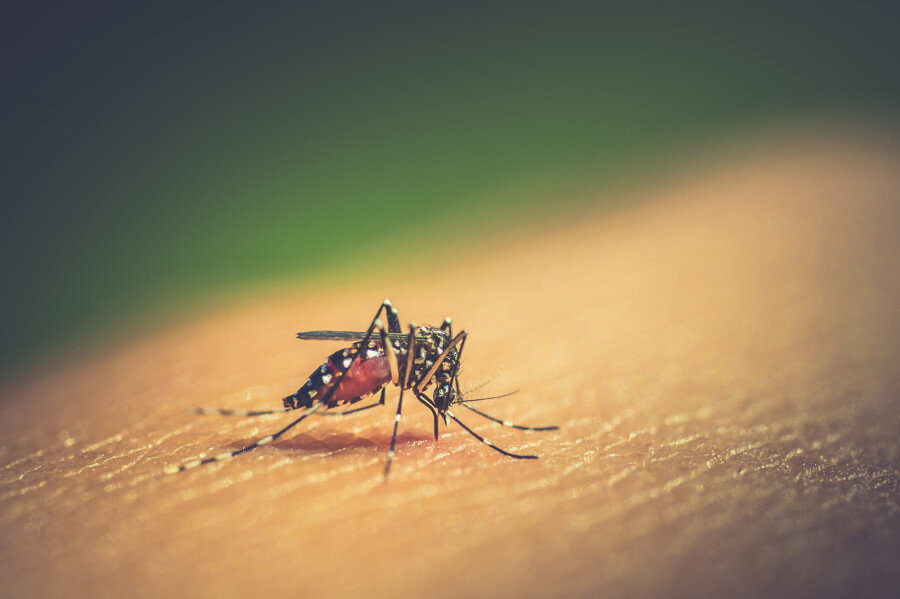
The JE vaccine was integrated into routine immunisation in 2015, yet the disease continues to claim lives and infect dozens each year. The virus is transmitted through the bite of infected Culex mosquitoes, with pigs and ducks serving as natural reservoirs.
Health professionals recommend avoiding mosquito bites by using repellents, wearing long sleeves, and getting vaccinated if living in or traveling to endemic areas. They also stress the importance of awareness and timely treatment to prevent further infections and deaths.
An estimated 12.5 million people in Nepal are considered to be at high risk of JE infection. As the outbreak continues, the need for a coordinated and comprehensive response has never been more urgent.