Commemorating the Green March: A Celebration of National Unity and Sovereignty
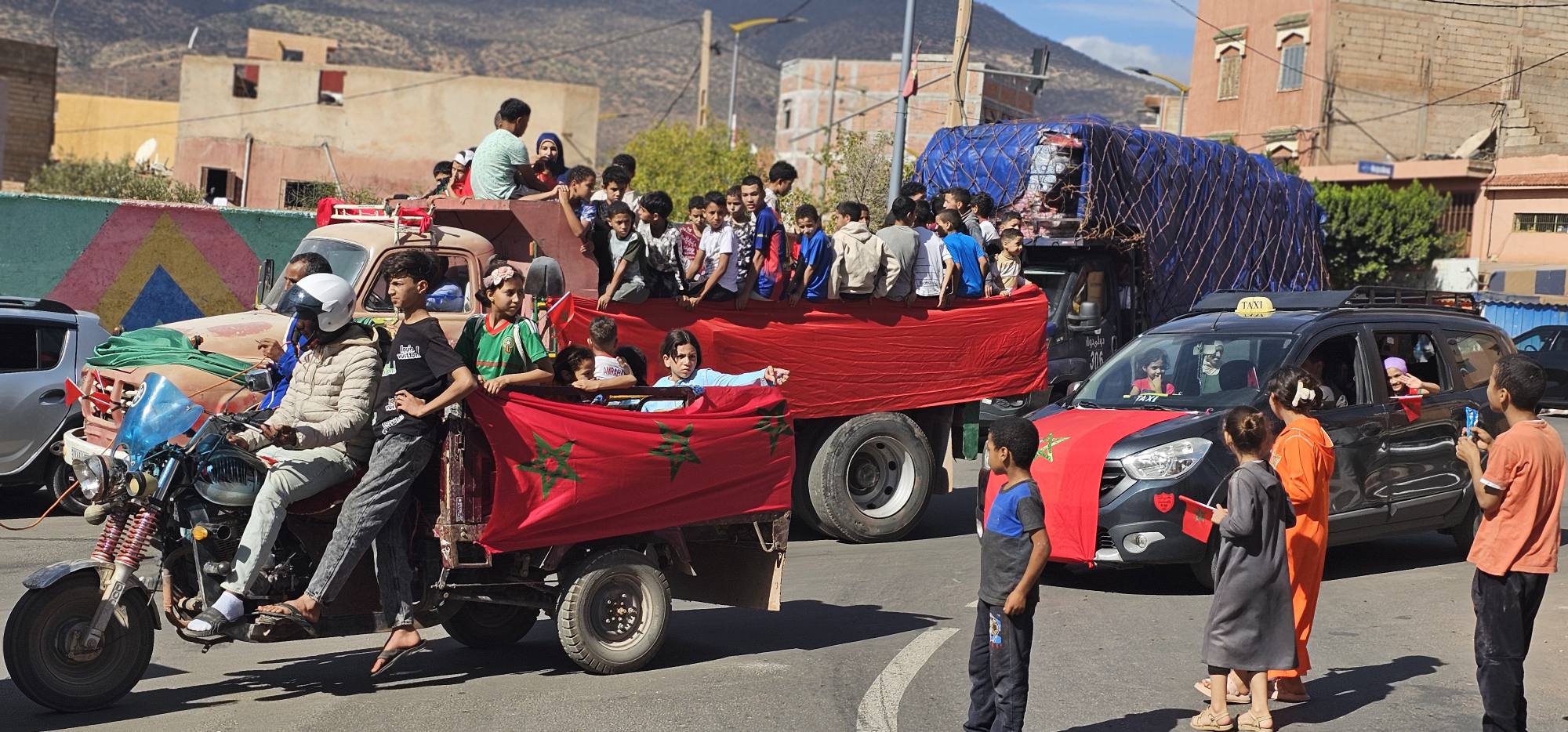
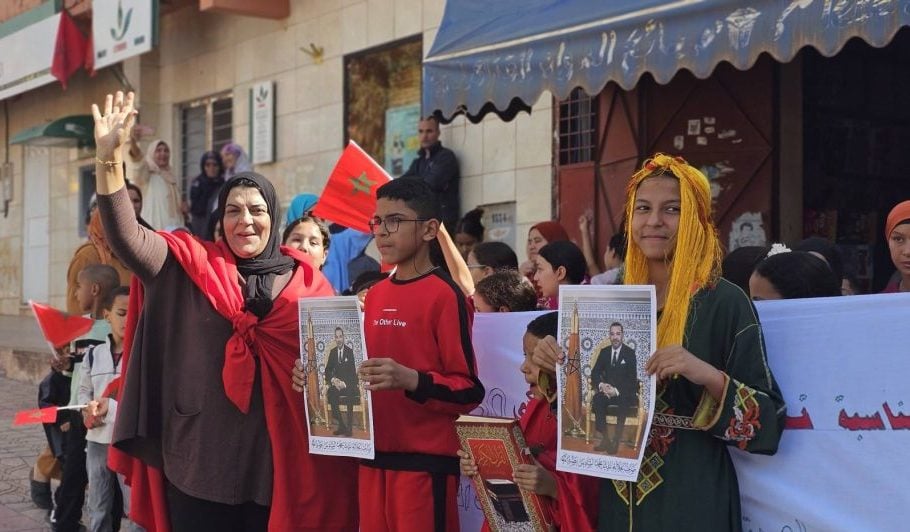
Morocco recently celebrated the 50th anniversary of the historic Green March, a significant event that marked the country’s assertion of sovereignty over the Western Sahara. The celebrations took place across several southern provinces, featuring parades, exhibitions, and official ceremonies. These events coincided with renewed support from the United Nations Security Council for Morocco’s autonomy proposal for the region.
In Laayoune, the main city in the region, streets were adorned with Moroccan flags and LED decorations. Local authorities reported that 170 lighting structures and 29 new installations were added as part of the anniversary program. Public lighting chief Brahim Lafdaili told state news agency MAP that the initiative had “transformed the city’s atmosphere” and drew inspiration from Moroccan decorative arts.
The Green March, initiated by the late King Hassan II, saw 350,000 volunteers march toward the former Spanish colony to assert Moroccan sovereignty. This event remains a powerful symbol of national unity and determination.
The commemorations coincided with Resolution 2797, adopted by the Security Council on October 31. This resolution extended the mandate of the UN mission MINURSO and described Morocco’s autonomy plan as “serious and credible.” The international community’s recognition of this plan highlights its potential as a viable solution to the long-standing conflict.
Events spanned from Laayoune to Guelmim, Tan-Tan, and Dakhla. In Guelmim, concerts and exhibitions were held under the slogan “Gateway to the Sahara.” The regional council and the Southern Provinces Development Agency organized an interactive tunnel that retraced the 1975 march, while also hosting performances by Moroccan artists.
In Tan-Tan, authorities staged a week of cultural and educational programs, including artisan fairs, school parades, and film screenings. These activities aimed to foster a deeper understanding of the region’s history and cultural heritage.
In Dakhla, regional leaders inaugurated new vocational and sports facilities, including the “City of Trades and Skills.” This initiative is part of a national effort to expand training and employment opportunities for youth in the south. Such projects reflect Morocco’s commitment to developing the region and integrating it more closely with the national economy.
Local tribal leaders issued a statement of allegiance to King Mohammed VI, reaffirming their “attachment to national unity” and support for the autonomy plan. Their endorsement underscores the widespread support for the king’s vision and the importance of maintaining stability in the region.
Since 2015, when the king launched a development program aimed at integrating the territory more closely with the national economy, Morocco has invested billions of dirhams into infrastructure, renewable energy, and logistics projects in the southern provinces. These investments are intended to improve living standards and create economic opportunities for the local population.
The 50th anniversary of the Green March serves as a reminder of the nation’s resilience and determination. It also highlights the ongoing efforts to achieve lasting peace and prosperity in the region. Through these celebrations, Morocco continues to emphasize its commitment to national unity, sovereignty, and the well-being of its citizens.