
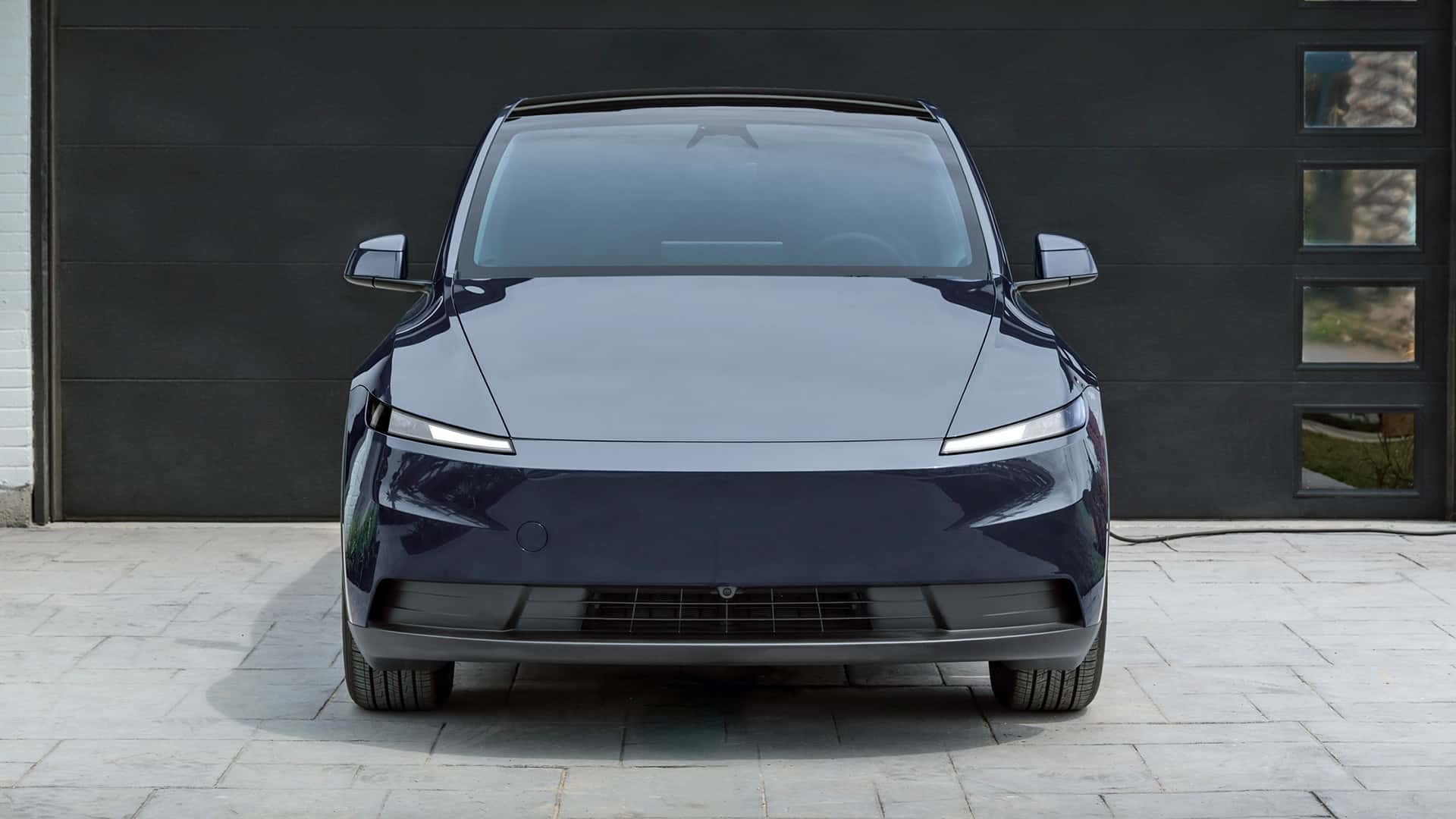
Executive Exits Signal Shift in Tesla’s Strategic Direction
A series of high-profile executive departures at Tesla has raised questions about the company’s future direction. Among those leaving are key leaders responsible for some of the automaker’s most significant projects, including the Cybertruck and Model Y. These exits come as Tesla continues to pivot its focus from traditional electric vehicles (EVs) toward more ambitious ventures involving artificial intelligence (AI), robotics, and self-driving technology.
Emmanuel Lamacchia and Siddhant Awasthi, both of whom had been with Tesla for eight years, recently announced their departures. Lamacchia, who led the Model Y program, shared his thoughts on LinkedIn, reflecting on his time at the company. “Leading the All-New Model Y launch was the highlight: converting all 4 factories across 3 continents in just 2 weeks. Something that had never been done before in the auto industry,” he wrote. His departure marks the end of a long tenure at Tesla, where he played a critical role in the success of one of the company’s best-selling models.
Awasthi, who oversaw the Cybertruck and Model 3 programs, also shared his reflections. In a post on LinkedIn, he described his time at Tesla as “a thrilling journey” filled with challenges and achievements. “This decision wasn’t easy, especially with so much exciting growth on the horizon,” he said, hinting at the potential opportunities that lie ahead for the company.
These exits are part of a broader trend of leadership changes at Tesla. Omead Afshar, a long-time advisor to Elon Musk, left in June after overseeing sales and manufacturing operations across North America and Europe. Troy Jones, Tesla’s vice president of sales for North America, departed in July after 15 years with the company. Drew Baglino, a senior vice president of powertrain and energy engineering, also left in 2024 and went on to found a startup in the energy sector.
A Changing Landscape for Tesla
The recent leadership changes coincide with a period of slowing EV sales for Tesla. The company is now shifting its focus toward more futuristic projects, such as robotaxis and the Optimus humanoid robot. Elon Musk has suggested that these innovations could eventually account for 80% of Tesla’s value, indicating a strategic move away from traditional mass-market vehicles.
This shift is not limited to the vehicle business. Milan Kovac, head of Tesla’s robotics division, recently left the company. Additionally, Tesla dissolved its Dojo supercomputer project, according to reports, leading to the departure of its head, Peter Bannon.
Implications for the Future
While the reasons behind these departures remain unclear, they signal a major transformation in Tesla’s operations. As the company moves toward AI-driven solutions and advanced robotics, it may need new leadership to guide these efforts. The transition could be challenging, but it also presents opportunities for innovation and growth.
For now, the question remains: Will Tesla successfully navigate this shift, or will the loss of key executives hinder its progress? Only time will tell, but one thing is certain—Tesla is entering a new chapter in its history.