
A Motorist’s Unfortunate Encounter with AI Detection Technology
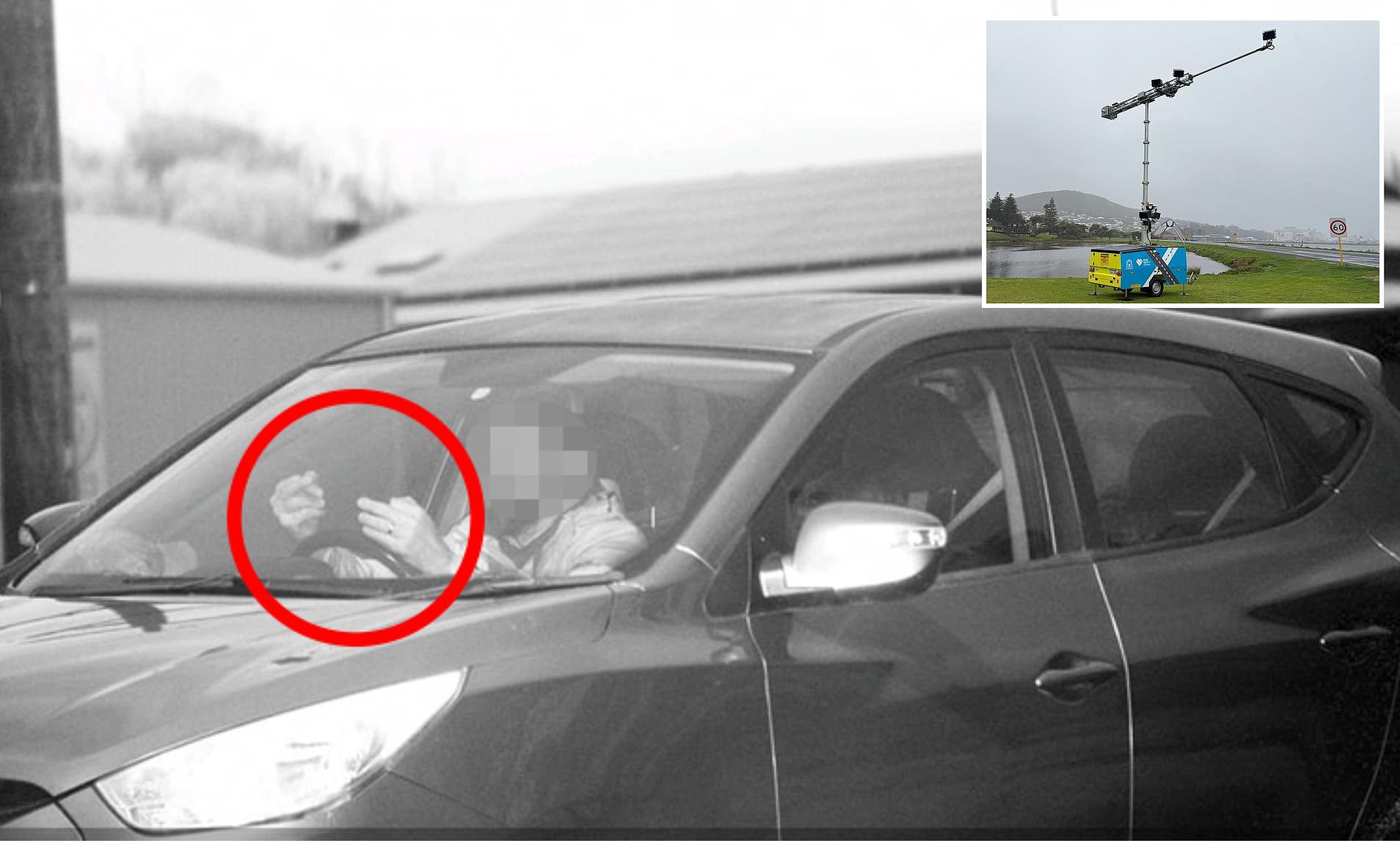
An Australian motorist recently found himself in an unexpected situation after being fined for what appeared to be a minor infraction. The incident involved an AI-powered camera that detected the driver using a mobile phone while driving, resulting in a $661 fine. However, the details of the case suggest that the issue might not have been as straightforward as it seemed.
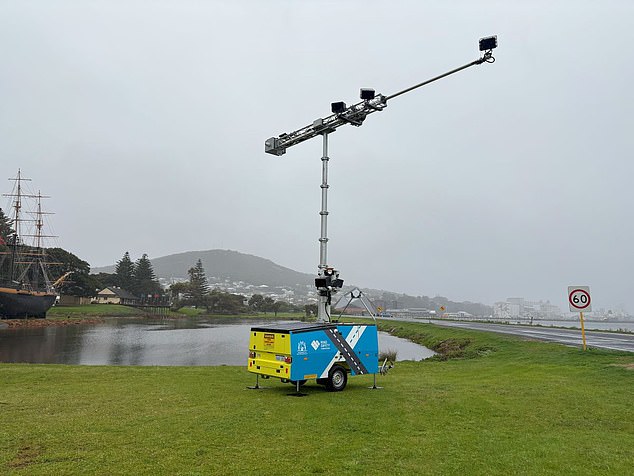
The driver, who was traveling with a passenger, passed an automated mobile phone and seatbelt detection camera on the side of the road. To his surprise, he later received an infringement notice in October, despite claiming that he had been wearing his seatbelt and did not touch his phone. In a letter contesting the fine, the driver argued that he had been wrongly penalized.
“The AI-generated image shows no mobile phone present in my hands,” he wrote. “Both hands are clearly visible above the steering wheel. Despite this, the automated system issued a serious infringement notice—one that carries financial and reputational consequences for an innocent driver.”
The photo that accompanied the notice showed the driver appearing to give the finger as he passed the camera. However, eagle-eyed viewers noticed a black rectangle on his lap, which they suggested looked like a phone. Under Victorian law, a mobile phone cannot rest on any part of a driver’s body, including their lap, even if it is not being held.
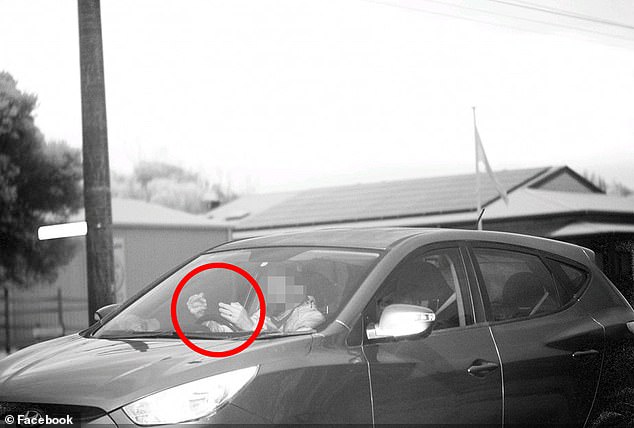
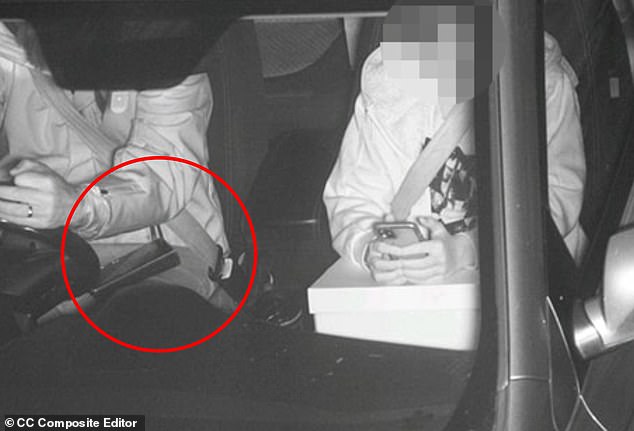
Some observers pointed out that the driver’s hand position could have also attracted a fine for “improper control of a vehicle.” This highlights the complexity of the situation, as the driver may have faced multiple potential violations based on the camera’s interpretation.
The Victorian Government explained that AI mobile phone and seatbelt detection cameras are used to flag potential offenses, which are then reviewed by trained officers before infringement notices are issued. According to a spokesperson, each camera trailer uses two cameras and an infrared flash, operating day and night in all weather conditions. If the AI detects a possible offense, it flags the image for human review.
Between January and March this year, more than 19,000 Victorian drivers were caught using a phone or not wearing a seatbelt. During South Australia’s trial of the same technology, 31,000 motorists were fined in a single month—more than 1,000 images reviewed each day.
This raises important questions about the accuracy and fairness of such systems. While these cameras aim to improve road safety, they also introduce new challenges for drivers. For instance, the strict penalties for violating seatbelt laws can significantly increase fines, especially with Australia’s new detection cameras cracking down on drivers.
Additionally, the use of reflective clothing has sparked concerns among motorists, as some believe it may lead to misplaced penalties due to the new camera technology. Similarly, the implementation of AI cameras in Melbourne has led to complaints from drivers who feel they are becoming victims of a surveillance state.
As these technologies continue to evolve, it is crucial for drivers to understand the rules and regulations surrounding mobile phone use and seatbelt compliance. With the increasing reliance on AI detection systems, staying informed about the legal implications of these technologies is more important than ever.