
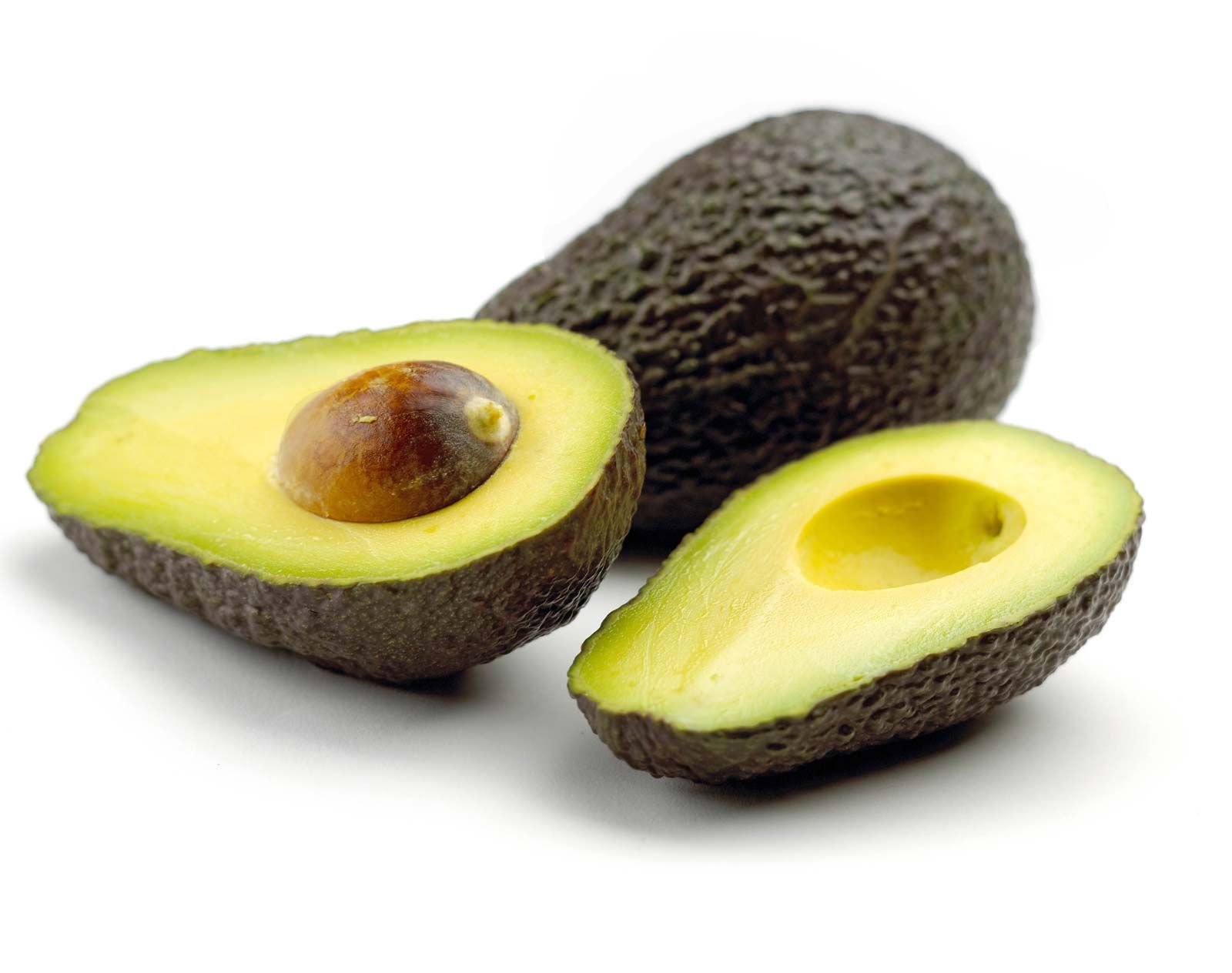
Rwanda’s Avocado Industry Eyes Expansion into the Chinese Market
Rwandan avocado farmers and exporters have expressed enthusiasm over the recent plans by Rwanda and China to sign a protocol that could enable the export of avocados to the Chinese market. This proposed deal, announced on Tuesday, November 4, by the Rwandan Embassy in Beijing, is seen as a significant milestone in broadening the reach of Rwanda’s horticulture exports.
Robert Rukundo, Chairperson of the Horticulture Exporters Association of Rwanda, emphasized that access to the Chinese market could become one of the most important destinations for Rwandan avocados. “We have been exporting mainly to Dubai and some parts of Europe, mostly by air. We are now also exploring sea transport to make exports more cost-effective,” he said.
The growth in production and processing has also increased the need for more investment in the avocado value chain. “Processing avocado oil is also picking up locally. We thank the government for supporting market expansion to China and other destinations,” Rukundo added.
In 2023, Rwanda’s avocado exports generated $6.3 million, a significant increase from just $440,000 in 2013. That year, Rwanda exported 3,200 tonnes of avocados at an average of $2 per kilogramme. With the government aiming to increase avocado exports to 31,000 tonnes by 2029, large markets like China and India are now being considered by local producers.
Theogene Twahirwa, an avocado farmer from Rulindo District, welcomed the plan to access the Chinese market, calling it a “great opportunity.” He has grown avocados on more than 2 hectares since 2022. Twahirwa noted that while avocado farming began as a community-driven initiative, stronger partnerships between government institutions and farmers could further boost productivity and competitiveness.
“Most farmers are growing avocados using their own savings, which can be challenging. We need closer collaboration with government institutions, so they understand where support is most needed,” Twahirwa said.
To sustain production and meet market demands, he pointed out the need for affordable agricultural financing and the establishment of an agriculture bank. “We compete with our counterparts from other countries who often access loans at very low or even zero interest rates, grants and incentives. Here, we rely on commercial banks, which follow strict regulations and are not easy to change or adapt to. Establishing a dedicated agricultural bank would make a big difference,” he added.
Twahirwa also highlighted the need for grants and reliable avocado seeds, noting that some suppliers provide substandard seedlings. “Improved seeds must come from trusted sources. I once received fake seedlings that I later had to replace. Ensuring quality will help us produce better and more durable trees,” he said.
Christian Mugunga, Managing Director of MCS Star, an avocado exporting firm based in Gasabo District, believes entering the Chinese market might help exporters navigate price fluctuations. “We currently export varieties like Hass and Fuerte to Dubai. Prices there change frequently, around $7-8 per 4kg box of avocado, but with more markets, we can balance and remain stable,” he said.
According to the National Agricultural Export Development Board (NAEB), the government is expanding avocado plantations to meet rising demand. Under one project, 800 hectares have been allocated for grafted avocado seedlings in Rusizi, Huye, Nyanza, Rwamagana, and Bugesera districts. The initiative will involve around 1,600 smallholder farmers and aims to plant a total of 240,000 avocado seedlings and 60,000 mango seedlings across 1,000 hectares by 2029.
According to the Ministry of Agriculture and Animal Resources’ Fifth Strategic Plan for Agriculture Transformation (PSTA5), land designated for export crops, including avocado, French beans and passion fruit, is expected to increase by 22 per cent by 2029, in line with the country’s Second National Strategy for Transformation (NST2) targets.