
Overview of the Parish Development Model (PDM) in Uganda
The government of Uganda has initiated a new approach to development through the Parish Development Model (PDM), aiming to address mismanagement and ensure effective use of resources at the grassroots level. This initiative is designed to empower communities by providing targeted financial support, technical guidance, and training. The PDM seeks to reduce poverty and improve local service delivery by engaging parish-level actors directly.
During a three-day national workshop hosted by Enterprise Uganda, government officials, development partners, and parish-level actors gathered to review the implementation of the PDM and strengthen coordination of its interventions. The workshop highlighted the progress made so far, with repayment trends showing steady improvement across the country.
Key Components of the PDM
One of the core aspects of the PDM is the establishment of practical training centers in every parish. These centers provide hands-on instruction in agriculture, business planning, and financial management. Training is tailored to specific enterprises, such as coffee production, and includes guidance on creating business plans, budgeting, and implementing good agricultural practices.
Additionally, the program introduces community-based facilitators who serve as local links to quality inputs, markets, and agricultural services such as plowing, irrigation, and weeding. This approach builds local capacity and ensures that technical support reaches households directly, addressing a shortfall noted in previous wealth creation programs.
Financial Structure and Repayment Trends
Under the PDM, funds are released biannually, with 50 million shillings per parish disbursed in December/January and another 50 million in June. Each tranche benefits at least 50 households per parish, providing capital to invest in agriculture, small businesses, and community development initiatives.
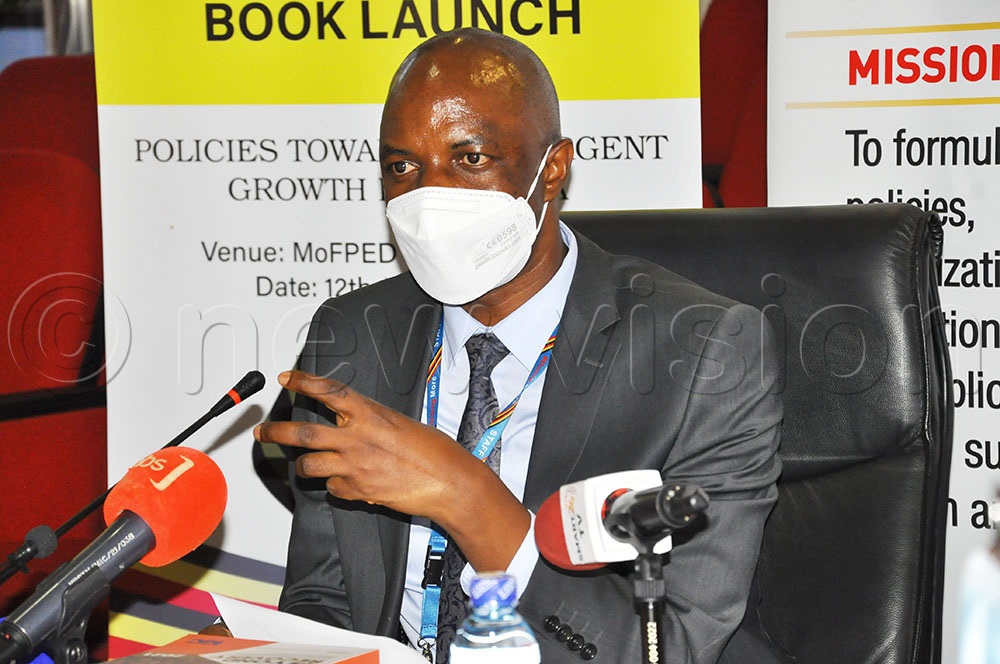
Mr Dennis Galabuzi, the national coordinator of PDM, emphasized that the program’s success should be measured by the impact on communities rather than popularity or political approval. He noted that recoveries are already coming in, with the first borrowers’ grace periods ending in June 2025. “We have so far seen repayment movement in 143 local governments out of 176, and the trend is upward,” he said.
Galabuzi also highlighted the importance of community responsibility, stating that while the government provides the funds as a grant, proper management rests with the parish community. “We are hands-off, eyes-on. If people mismanage their parish banks, it is the community that loses,” he said.
Digital Tracking Systems
To curb mismanagement, the PDM incorporates digital tracking systems, including GIS mapping and the Zaidi application, which documents each borrower’s business and household. This allows authorities to verify that businesses exist and are being properly managed, ensuring transparency and accountability for all 3.3 million participating households.
“This is a major improvement from previous programs, where tracing beneficiaries and tracking fund usage was a challenge. Now, every household is identifiable, and we can follow up to ensure funds are used responsibly,” Galabuzi said.
Finance Plus Model
The PDM adopts a “finance plus” model, which aligns capital provision with technical assistance. Loans are structured with interest rates set at six percent, and grace and repayment periods are matched to the gestation periods of the respective businesses. This integrated approach ensures that beneficiaries not only receive capital but are also equipped to invest it effectively, reducing the risk of default and enhancing returns to the community.
Another key component of the PDM is parish action planning, which empowers communities to identify their development priorities based on local data. Parish chiefs collect information on local economic conditions, enabling parishioners to make informed decisions about resource allocation. The priorities identified at the parish level feed into government budgeting, ensuring that national resource allocation reflects real local needs.
Conclusion
The workshop served as a platform to share successes, identify challenges, and strengthen coordination among stakeholders. Officials emphasized that continued training, local facilitation, and digital monitoring are critical to sustaining the program’s impact. Galabuzi concluded by urging local leaders to actively support their communities in implementing PDM activities. “We are producing, introducing capital, providing technical support, and developing local facilitators. Now, the future of the program rests in the hands of parish communities,” he said.