
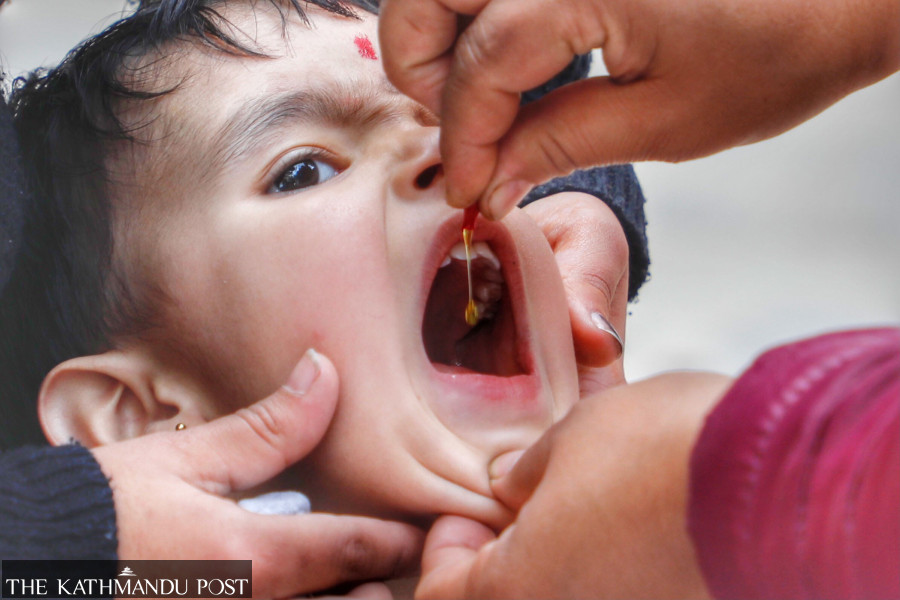
Nationwide Vitamin and Deworming Campaign Begins
Kathmandu, Nov. 6 – A nationwide vitamin and deworming campaign has commenced on Thursday. The initiative aims to provide essential health support to a significant number of children across the country. Specifically, around 2.2 million children aged between six months and 59 months will receive vitamin A supplements. Additionally, approximately 1.9 million children between the ages of one and five years will also be given deworming tablets as part of this campaign.
The campaign involves the participation of around 54,000 female community health volunteers who have been deployed nationwide. These volunteers play a crucial role in ensuring that the supplements reach the intended beneficiaries. The Health Ministry has been conducting this campaign twice a year, in April and November, since 2003. This consistent effort has contributed significantly to public health outcomes in Nepal.
Lila Bikram Thapa, chief of the Nutrition Section at the Family Welfare Division under the Department of Health Services, emphasized that the necessary supplies, including vitamin A and deworming tablets, have already been distributed to all local units throughout the country. She added that the female community health volunteers are actively mobilized to administer these supplements to the children.
Importance of Supplementation and Deworming
Health officials highlight that vitamin A supplementation and deworming campaigns are vital in preventing numerous childhood diseases and reducing mortality among children under five. According to Thapa, these initiatives have played a critical role in nearly eliminating night blindness among children, which was once a prevalent issue two decades ago.
Vitamin A deficiency is estimated to contribute to nearly one-fourth of global child mortality from measles, diarrhea, and malaria. Therefore, addressing this deficiency through regular supplementation is essential for improving child health outcomes.
The campaign is considered a public health success story in Nepal, as it has effectively addressed vitamin A deficiency, which was a major concern in the country. Regular supplementation campaigns are estimated to have reduced deaths among children under five by 23 percent.
Deworming tablets are equally important in preventing various childhood diseases and reducing child mortality, according to child health experts. These interventions not only improve the immediate health of children but also contribute to their long-term growth and development.
High Coverage Rates and Public Health Impact
The vitamin A supplementation and deworming campaign achieved coverage rates of over 94 percent, making it the highest among all health campaigns conducted in the country in recent years. This high level of participation underscores the effectiveness of the program and the commitment of the community health workers involved.
Child health experts emphasize that vitamin A supplementation campaigns are crucial for children’s overall growth and for protecting them from various infectious diseases. The World Health Organisation (WHO) states that vitamin A deficiency can lead to visual impairment, such as night blindness, and increase vulnerability to illnesses like measles and diarrhea. The supplement helps boost immunity and supports natural growth in children.
Conclusion
The ongoing vitamin and deworming campaign in Nepal exemplifies a well-structured public health initiative that has made a significant impact on child health. Through the combined efforts of health authorities and community volunteers, the campaign continues to address critical health challenges and improve the lives of millions of children. As the program progresses, its success serves as a model for other regions facing similar public health issues.