
A New Chapter in Syria’s Role in the Fight Against ISIS
Syria has officially joined the US-led global coalition against the “Islamic State” (ISIS), marking a significant shift in regional dynamics. While this move may seem like a straightforward addition to an existing alliance, experts argue that it signals a broader realignment of power and interests in the Middle East.
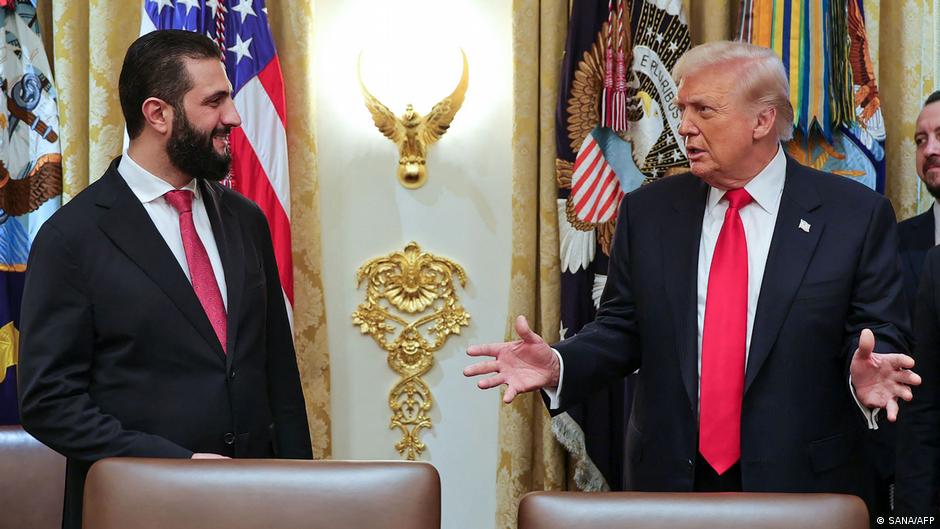
This development has been described as “surreal” by long-time observers of Middle Eastern politics. Ahmad al-Sharaa, Syria’s interim president, who was once associated with al-Qaeda and had been jailed by the US as a terrorist, was welcomed at the White House by former President Donald Trump. His delegation entered the meeting through a side door, adding to the unusual nature of the event.
What makes this even more remarkable is that al-Sharaa, who previously led a group that split from al-Qaeda in 2016, now represents a country that has officially aligned itself with the coalition fighting ISIS. Originally an offshoot of al-Qaeda in Iraq, ISIS has long been a major threat in the region.
The Ongoing Threat of ISIS in Syria
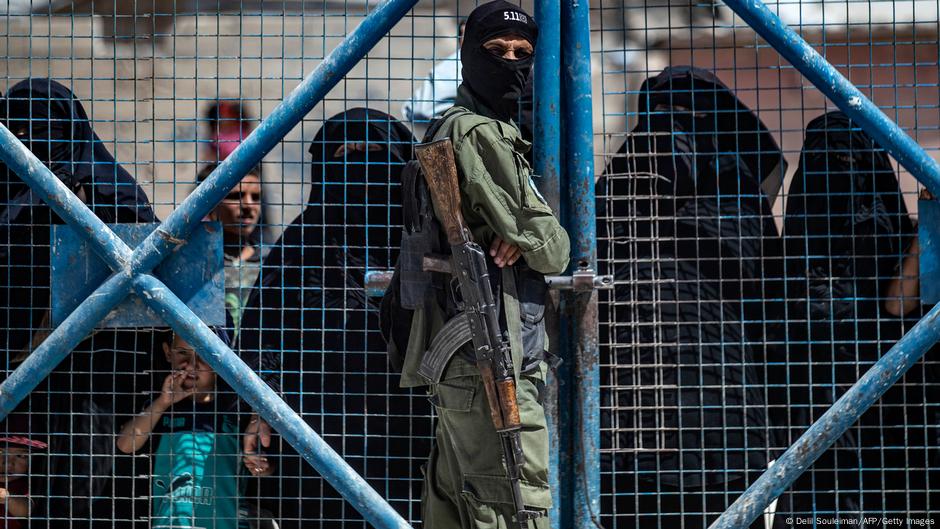
Despite the fall of Bashar Assad’s regime, ISIS remains a dangerous presence in Syria. Researchers estimate that between 2,500 and 3,000 ISIS loyalists are still active in the country. In the past year, their activities have increased, exploiting the instability and chaos that followed the regime’s collapse.
Tanya Mehra, a researcher at the International Centre for Counter-Terrorism (ICCT), wrote that ISIS thrives on internal conflicts among rebel groups and the challenges faced by the de facto government. This environment creates favorable conditions for the group to regroup and reestablish its influence.
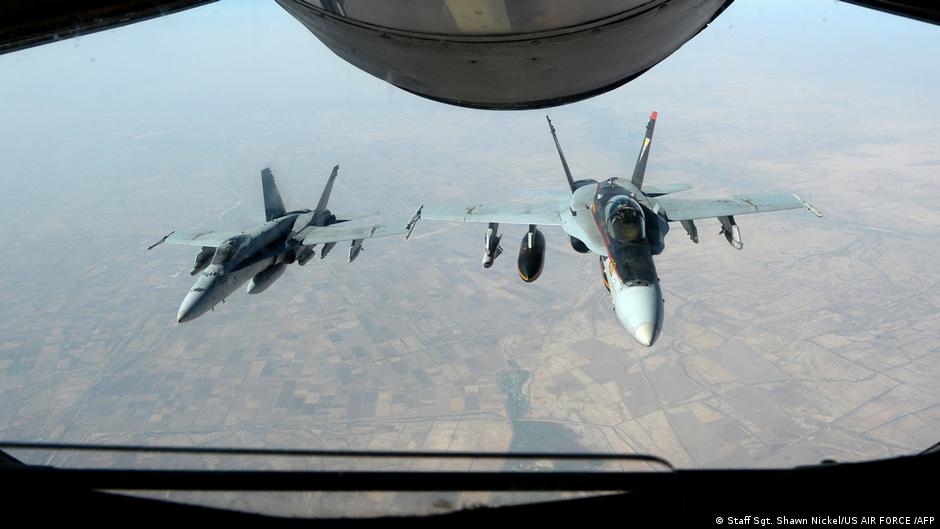
The Washington-based Middle East Institute (MEI) confirmed that ISIS has taken advantage of security vacuums to regain a foothold in parts of Syria. Their strategy has evolved significantly, moving away from large-scale territorial control toward smaller, more flexible operations.
Adapting to New Tactics
ISIS now operates in small cells of around 10 fighters each, conducting rapid night ambushes, planting improvised explosive devices, and carrying out lone wolf attacks. They also engage in blackmail to fund their operations, offering new recruits up to $400 per month. Additionally, they exploit intercommunal divisions within Syria to further destabilize the region.
Syrian media reports suggest that ISIS is trying to recruit members and gain local support by targeting former Assad regime loyalists. They present themselves as the only group capable of delivering “justice” after 14 years of conflict. The group is also attempting to infiltrate the ranks of new Syrian security forces to spy, recruit, and promote their ideology.
According to MEI researchers, these developments reflect a shift toward a strategy of “flexible dormancy,” focusing on endurance and disruption rather than territorial control.
As ISIS activities have intensified, so have operations by Syrian security forces. Last weekend, over 60 raids were conducted across the country, resulting in the arrest of 71 individuals linked to the group. Some of these operations were based on intelligence provided by the US, highlighting the growing cooperation between Damascus and the global coalition.
Broader Implications of Syria’s Membership
Syria’s membership in the coalition has far-reaching implications beyond the fight against ISIS. It could affect the position of Syrian Kurdish groups, particularly the Syrian Democratic Forces (SDF), which have played a crucial role in combating ISIS.
The SDF, which controls northern Syria, has been a key partner for the US in the fight against ISIS. However, with the Syrian government now officially involved in counter-ISIS efforts, the SDF’s exclusive status as the coalition’s main partner may be undermined. This could weaken their leverage in negotiations with Damascus.
However, some analysts believe this could also lead to improved relations between Damascus and the SDF. Tanya Mehra of ICCT noted that the SDF has been essential in combating ISIS and that al-Sharaa’s involvement in the coalition does not necessarily signal a step back.
A Possible US Base Near Damascus
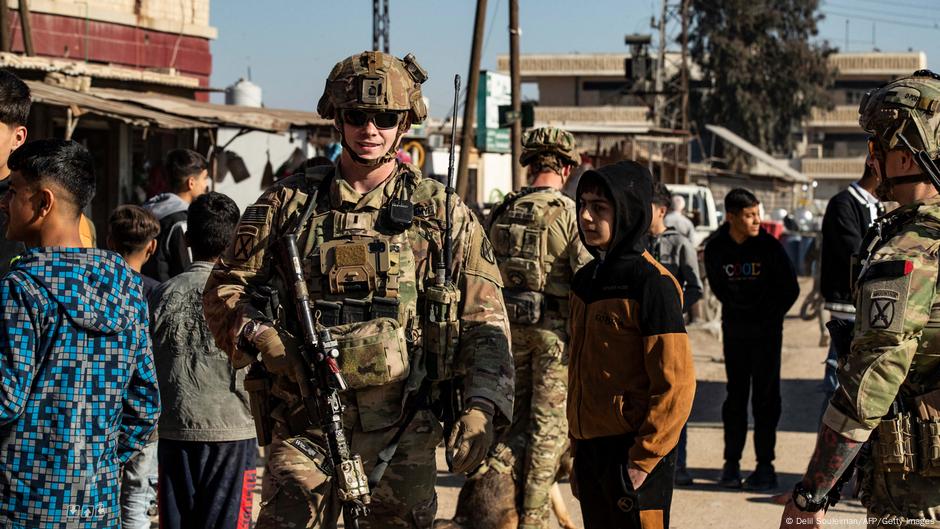
There are rumors that the US might establish a base near Damascus following Syria’s entry into the coalition. Local media reported that a delegation from the global coalition visited Al-Seen air base, located about 80 kilometers from Damascus. There are also unconfirmed reports of plans to build a Trump hotel or tower in the city.
Such a move would address concerns about al-Sharaa’s past ties to extremist groups and ease Israeli fears about Syria becoming a threat. A US presence could also reduce the influence of other regional powers, including Iran, Russia, and Turkey.
Marc Lynch, a professor at George Washington University, argued that this development reflects a broader US vision of integrating Syria into a Washington-led regional order. He called it one of the shrewdest moves by the Trump administration in the Middle East.
Challenges Ahead
Despite these developments, there are obstacles to overcome. Lynch highlighted the need for al-Sharaa to navigate intercommunal tensions, particularly with the SDF and Israel. He noted that Israel has remained outside the US-led support for al-Sharaa’s state-building efforts.
If a US base is established in Damascus, it would force the US to confront the reality that the most dangerous external threat to Syria is currently Israel. This could mark a significant shift in the priorities of the US and Israel, with potential implications for the entire region.