
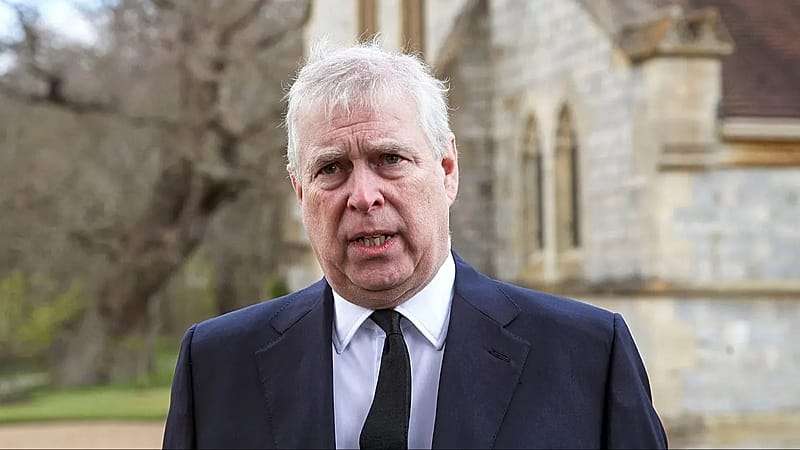
The Formal Removal of Prince Andrew’s Titles
King Charles III has officially removed the title of prince from his brother, Andrew Mountbatten Windsor, through a formal document sealed with the royal seal. This decision marks a significant shift in the former royal’s status and has sparked widespread discussion about the implications for the British monarchy.
The disgraced former royal no longer holds the designation “his royal highness” following the issuance of a Letters Patent, a long-standing practice used by monarchs to either grant or revoke titles and appointments. An official announcement published in The Gazette, the UK’s official public record, stated, “The King has been pleased by Letters Patent under the Great Seal of the Realm dated 3 November 2025 to declare that Andrew Mountbatten Windsor shall no longer be entitled to hold and enjoy the style, title or attribute of ‘Royal Highness’ and the titular dignity of ‘Prince.’”
In addition to losing the title of prince, Mountbatten Windsor also lost the title of Duke of York. This decision was announced by the king on 31 October, when he also ordered the removal of his brother from his royal residence due to his association with Jeffrey Epstein, a convicted sex offender.
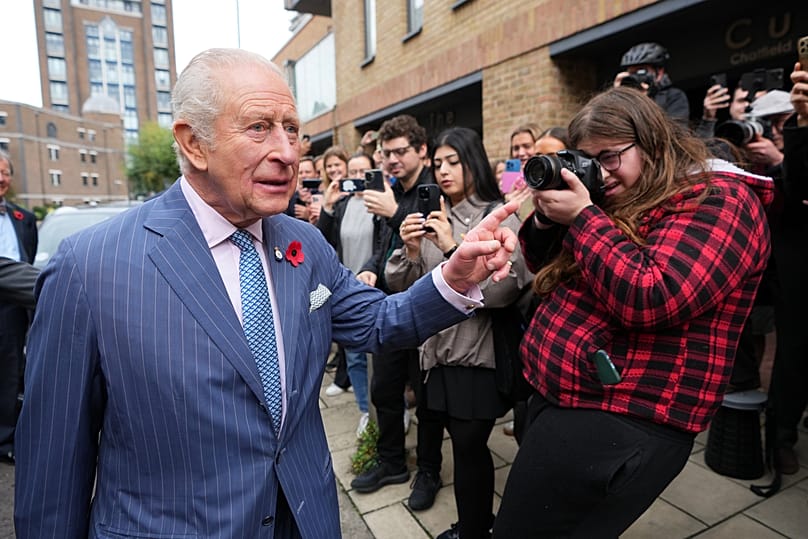
Growing Pressure to Remove Prince Andrew from Royal Lodge
There had been increasing pressure within the palace to remove the 65-year-old former prince from his Royal Lodge home. This pressure was fueled by new revelations regarding his friendship with Epstein, which brought renewed attention to sexual abuse allegations made by Virginia Roberts Giuffre, one of Epstein’s victims. Her posthumous memoir was published last month, adding to the scrutiny surrounding Mountbatten Windsor.
The king took further action to punish Mountbatten Windsor for what were described as serious lapses in judgment. He removed the title of prince, which Mountbatten Windsor had held since birth as the child of the late Queen Elizabeth II. This move was seen as a symbolic and formal acknowledgment of the severity of the allegations against him.
Mountbatten Windsor is now relocating from Royal Lodge, a 30-room mansion near Windsor Castle where he had lived for over 20 years, to a more remote home. This new residence is privately funded by his brother and is located on the king’s Sandringham Estate in eastern England.
Impact on the Family of Virginia Giuffre
The king’s decision was met with approval from the family of Virginia Giuffre, who died by suicide in April at the age of 41. Giuffre had accused Prince Andrew and Jeffrey Epstein of involvement in a sex trafficking ring during the early 2000s, when she was a teenager. She claimed that she was exploited by Mountbatten Windsor and other influential men.
Mountbatten Windsor has consistently denied these allegations. However, the case has continued to draw public attention, especially after the publication of Giuffre’s memoir, which detailed her experiences.
Jeffrey Epstein, who was found dead in a New York City jail cell in 2019, was initially ruled to have committed suicide by investigators. His death led to increased scrutiny of his connections and the individuals involved in his network, including Prince Andrew.
Ongoing Legal and Public Scrutiny
The removal of Mountbatten Windsor’s titles and his eviction from Royal Lodge have not only impacted his personal life but have also raised questions about the role of the British monarchy in addressing allegations of misconduct. The public and media continue to monitor the situation closely, with many calling for transparency and accountability.
As the story unfolds, it remains to be seen how this decision will affect the broader perception of the royal family and its commitment to upholding ethical standards. For now, the focus remains on the ongoing legal and public scrutiny surrounding Prince Andrew and his past associations.