
Lassa Fever Outbreak in Nigeria: A Growing Public Health Crisis
Nigeria is currently grappling with a significant outbreak of Lassa fever, a viral hemorrhagic illness that has claimed the lives of at least 176 individuals across 21 states in 2025. The Nigeria Centre for Disease Control and Prevention (NCDC) has been closely monitoring the situation, reporting a total of 955 confirmed cases out of 8,367 suspected infections.
The outbreak has primarily affected certain regions, with Ondo, Bauchi, Edo, and Taraba emerging as the epicenters. These four states account for 88% of all confirmed cases recorded this year, highlighting the severity of the crisis in these areas. Meanwhile, the remaining 12% of cases have been reported from 17 other states, indicating that the virus is spreading beyond the most affected regions.
Despite a lower number of confirmed cases compared to 2024, the fatality rate has risen sharply. This year’s case-fatality rate (CFR) stands at 18.4%, up from 16.6% during the same period in 2024. This increase raises concerns about the effectiveness of current response measures and the underlying factors contributing to the higher mortality rate.
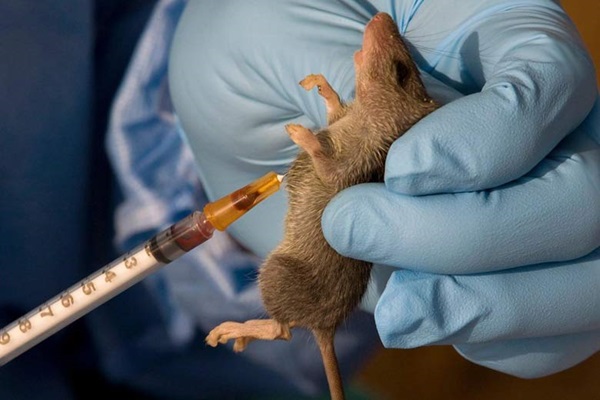
According to the NCDC, the rise in fatalities is likely linked to several factors. One key issue is poor health-seeking behavior among patients, who often delay seeking medical attention until the disease has progressed to a more severe stage. Additionally, inadequate environmental sanitation in affected communities plays a significant role in the spread of the virus. Rodents, which are the primary carriers of the Lassa virus, thrive in unsanitary conditions, increasing the risk of human infection.
Key Statistics and Demographics
- Confirmed Cases:955
- Suspected Infections:8,367
- Case-Fatality Rate (CFR):18.4% (up from 16.6% in 2024)
- Epicenter States:Ondo, Bauchi, Edo, and Taraba (88% of cases)
- Other Affected States:17 states (12% of cases)
- Age Group Most Affected:Adults aged 21 to 30 years
These statistics underscore the need for targeted interventions, particularly in high-risk areas and among vulnerable populations.
Transmission and Risk Factors
Lassa virus is endemic in West Africa and is primarily transmitted through contact with the urine or droppings of infected rodents, commonly known as multimammate rats. While person-to-person transmission is less common, it can occur through direct contact with the blood, body fluids, or mucous membranes of an infected individual. Sexual contact is also considered a potential mode of transmission, although this remains rare.
The virus poses a serious threat to public health, especially in regions where access to healthcare is limited and awareness about preventive measures is low. Efforts to control the outbreak must focus on improving sanitation, promoting early medical intervention, and raising community awareness about the risks associated with Lassa fever.
Ongoing Challenges and Response Measures
In response to the outbreak, the NCDC has been working closely with local health authorities to implement containment strategies, including surveillance, isolation of infected individuals, and distribution of protective equipment. However, challenges such as limited resources, geographic barriers, and misinformation continue to hinder these efforts.
Public health officials emphasize the importance of early diagnosis and treatment, as prompt medical care significantly improves survival rates. They also urge communities to take preventive measures, such as keeping homes clean, storing food securely, and avoiding contact with rodents.
Conclusion
The ongoing Lassa fever outbreak in Nigeria highlights the urgent need for sustained public health efforts to prevent further spread and reduce mortality. With the virus showing signs of increased lethality, it is critical that both government agencies and local communities work together to address the root causes of the outbreak and protect vulnerable populations.