
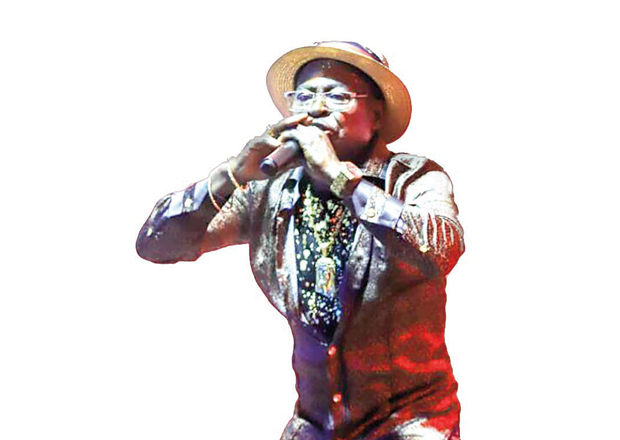
The Legacy and Future of Highlife Music
Celebrated Highlife musician Akosua Agyapoong has called on industry players to promote and sustain the growth of Ghanaian Highlife both locally and globally. She emphasized that Highlife music remains the foundation of other music genres in the country and should be preserved for present and future generations.
“Let’s play Highlife music on radio, in our cars…wherever we go, we have to encourage our youth to enjoy it…Highlife will never die so let’s help promote highlife,” she stated. Her words highlight the importance of keeping this traditional genre alive and relevant in an ever-evolving music landscape.
Agyapoong made these remarks during the launch of “Highlife Music at 100” in Accra at the Department of Music, University of Ghana. The year-long commemoration, themed “Highlife Unlimited – A Centenary of Celebration of Ghanaian Popular Music,” is set to climax on September 21, 2026.
A Range of Activities to Celebrate Highlife
A series of activities have been planned to mark the centenary celebration. These include roundtable discussions, public lectures, music concerts, workshops, theatre productions, and a high school highlife competition. Each event aims to reflect the evolution, cultural impact, and global influence of Highlife music while celebrating past and present artistes who have contributed to its development.
The initiative is a collaboration between the Department of Music and Theatre Arts, Group d’Action pour le Development Communautaire (GADEC), and the Institute of African Studies. Together, they seek to ensure that Highlife continues to thrive in classrooms, concert halls, and global stages.
Highlife as the Heartbeat of Cultural Identity
Dr. Amakye Boateng, Head of the Department of Music at the University of Ghana, described Highlife as “the heartbeat of the nation’s cultural identity.” He noted that it is the soundtrack that carried our grandparents through independence, gave rhythm to our collective aspirations, and continues to inspire new generations across Africa and the Diaspora.
He also spoke about the evolution of Highlife until the emergence of genres such as Afrobeats, Hiplife, and others. The celebration, he said, would help “renew, preserve, promote, and reimagine highlife for the next century.”
“Our task is not only to celebrate its past but to nurture its future through research, documentation, performance, and education that ensure this heritage continues to thrive in classrooms, concert halls, and global stages,” he stated.
“Let this centenary year remind us that Highlife is a mirror of who we are; resilient, joyful, and creative… It tells our stories, carries our hopes, and unites our people across generations,” Dr. Boateng added.
Tracing the Roots of Highlife
Professor Edmund John Collins, a UK-born guitarist and ethnomusicologist, traced the different forms of Highlife music, including Brass Band Highlife, Palmwine music, and Guitar Band Highlife, which all became the foundation of Ghana’s post-independence popular music.
He acknowledged the contribution of personalities such as Ghana’s First President, Dr. Kwame Nkrumah, who helped establish Highlife as a symbol of national pride. Prof. Collins stressed the importance of celebrating the origins of Ghanaian Highlife and the enduring impact of its pioneers. He also commended contemporary artistes who continue to draw inspiration from Highlife rhythms.
A Special Musical Event
As part of the celebrations, the Nkyinkyim Band, along with other top local talents, will stage the musical concert dubbed “Nkyinkyim X’perience” at the National Theater on November 14, 2025, at 8pm prompt. This event is expected to bring together fans of Highlife and showcase the genre’s enduring appeal.