
Addressing the Crisis of Malnutrition in Nigeria
The federal government has raised concerns about the severe human and economic impact of malnutrition in Nigeria, highlighting that the country loses approximately $56 billion annually due to this issue. This loss equates to about 12.2 per cent of the nation’s national income.
Vice President Kashim Shettima addressed these concerns during the Conference on Mobilising Against Malnutrition in North-West Nigeria. The event was organized by the Katsina State Government in collaboration with the North-West Governors’ Forum, Médecins Sans Frontières (MSF), and the Office of the Vice President, and took place in Abuja.
Shettima emphasized that the figures represent more than just economic loss; they reflect lost potential, unfulfilled dreams, and a cycle of poverty that hinders development. He pointed out that thousands of children and pregnant women lose their lives each year due to malnutrition-related causes, while millions are left physically and mentally weakened.
“When a nation’s child suffers from stunted growth, its future becomes stunted. When a mother lacks the nutrition to sustain herself and her unborn child, it is not her failure, it is a collective indictment on our social system,” he said.
Represented by the Senior Special Assistant to the President on Public Health, Mrs Uju Rochas-Anwukah, the Vice President stressed that nutrition should be seen as an investment rather than a cost. He noted that every dollar spent on nutrition yields $23 in returns.
“Treating malnourished children saves lives, while preventing malnutrition helps them grow, learn, and thrive. Because no child can learn on an empty stomach,” Shettima added, urging partners to move from “awareness to action.”
The Vice President highlighted the federal government’s Nutrition 774 Initiative and Accelerating Nutrition Results in Nigeria (ANRIN 2.0) project as evidence of renewed leadership and decentralized nutrition governance. These programs are based on five key pillars: political leadership, sustainable financing, multi-sectoral coordination, accountability, and evidence-based planning.
“No government can solve this crisis alone. Nutrition is not charity, it is enlightened self-interest. A nourished child is a future innovator, teacher, and leader,” he concluded.
Katsina State’s Efforts in Combating Malnutrition
In his remarks, Katsina State Governor Dikko Umar Radda described malnutrition as an emergency threatening the future of children in the North-West. He revealed that his administration had invested heavily in healthcare, agriculture, and social protection to tackle the crisis.
Radda mentioned that over ₦40 billion had been invested in the health sector, with 261 primary health centres renovated and 2,977 health workers employed. He also disclosed that Katsina State contributed ₦1 billion to the Child Nutrition Fund, matched by UNICEF, and distributed 90,000 bags of grains to vulnerable households.
“When the MSF report came out, it was daunting, but instead of rejecting it, we took it as a challenge. We are confronting the situation head-on,” the governor stated.
He also shared plans to set up a local Ready-to-Use Therapeutic Food (RUTF) production facility to ensure a sustainable supply for malnutrition treatment centres. Additionally, the state is implementing six-month maternity leave and child protection laws to improve child health and nutrition outcomes.
Federal Government’s Role and Challenges
The Coordinating Minister of Health and Social Welfare, Prof. Ali Pate, described malnutrition as one of the most pressing challenges in Nigeria, particularly in the northwest, where wasting and stunting levels exceed emergency thresholds.
Represented by the Director of Nutrition at the ministry, Mrs. Ladidi Bako-Aiyegbusi, he revealed that the federal government had established 115 new treatment sites this year and was scaling up both preventive and treatment interventions under the National Food and Nutrition Policy.
“Behind every statistic is a real child and a real family struggling to survive. Government alone cannot carry this burden. We must all act, states, donors, civil society, and communities,” he said.
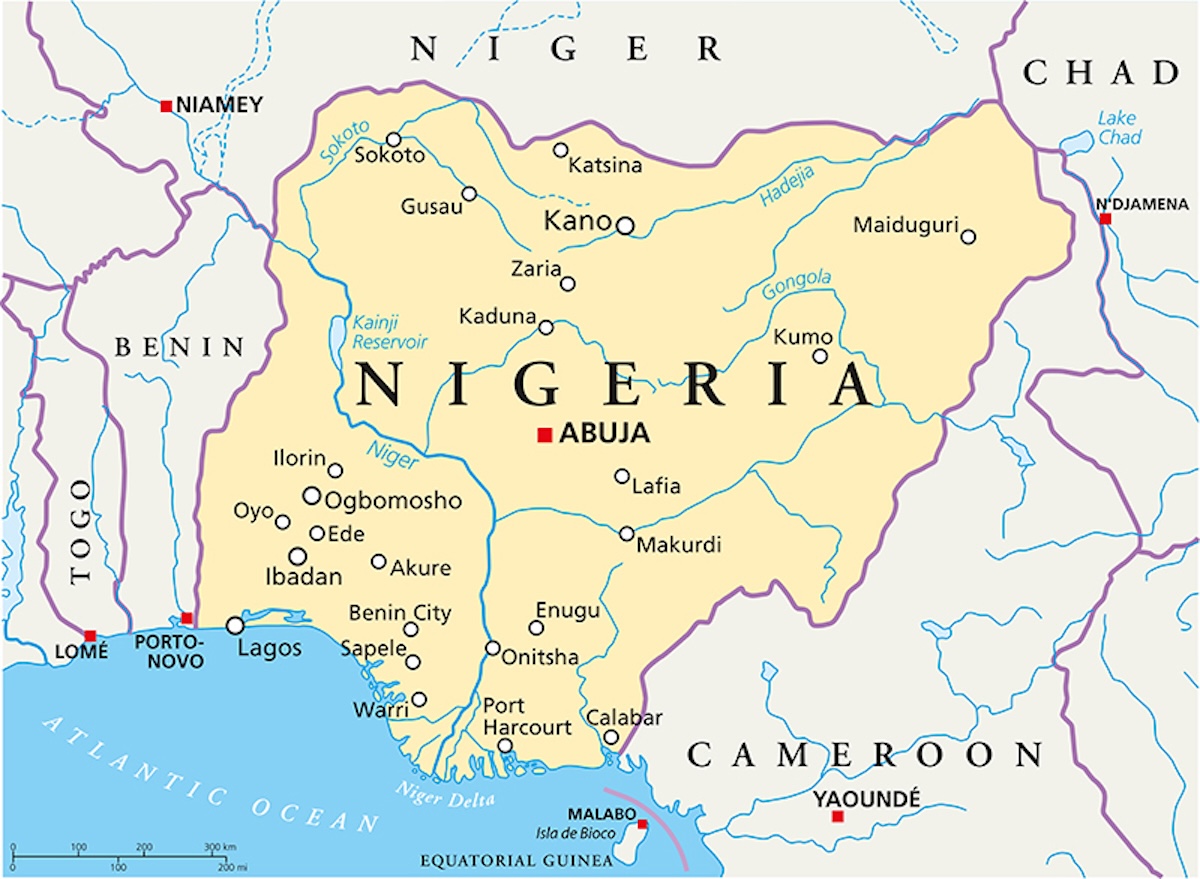
Data presented at the conference showed that stunting rates in the North-West range from 40.7 per cent in Kebbi to 64.6 per cent in Katsina, with the region collectively losing over ₦1 trillion in GDP annually due to malnutrition.
The Severity of the Malnutrition Crisis in Nigeria
Nigeria remains at the epicentre of a worsening child malnutrition crisis. Médecins Sans Frontières (MSF) revealed that it treated nearly 300,000 children suffering from Severe Acute Malnutrition (SAM) across northern Nigeria in 2024, the highest number for any country where the organization operates.
MSF Country Representative, Dr. Ahmed Aldikhari, noted that this figure accounted for more than half of MSF’s global SAM admissions, underscoring the severity of Nigeria’s malnutrition burden and the urgent need for joint action.
He highlighted that the situation is particularly dire in northwestern and Sahelian regions, where seasonal hunger, food insecurity, and inadequate access to healthcare continue to drive up malnutrition rates among children and pregnant women.