

Rising Prostate Cancer Cases Among Younger Men
Australia is witnessing a troubling increase in prostate cancer diagnoses among men under the age of 50. New data indicates that the number of cases has risen by more than 150% over the past two decades, with a 200% increase in deaths since 2014. These alarming statistics have led to urgent calls for improved screening and early detection efforts across the country.
According to the Australian Institute of Health and Welfare (AIHW), the situation has become increasingly critical. Anne Savage, CEO of the Prostate Cancer Foundation of Australia (PCFA), emphasized that “this is not just an old man’s disease anymore.” She highlighted that more men in their 40s and even 30s are being diagnosed with no prior warning signs, often unaware of the danger they face.
In 2000, the rate of prostate cancer among men aged 40-49 was 4.9 cases per 100,000. By 2025, this figure has climbed to 12.5 per 100,000, with an estimated 458 men under 49 expected to be diagnosed this year alone. The rise in cases among men aged 30-39 is even more startling, with a 500% increase in diagnoses.
Steve Callister AM, Chairman of the PCFA, stated, “We’re losing nearly 4,000 men a year to this disease. That’s 11 lives every single day. Early action saves lives – and we need to act now.”

When compared to other cancers in the same age group, the increase in prostate cancer is significantly higher. Colorectal cancer has seen a 6.4% increase, kidney cancer a 4.8% rise, and testicular cancer just a 1.2% increase. This stark contrast underscores the growing urgency surrounding prostate cancer.
Experts point to genetic factors as a major contributor to the rise in cases. Men who have a father or brother diagnosed with prostate cancer are at double the risk, while those with multiple affected relatives face up to seven times the risk. Additionally, mutations in the BRCA gene, commonly associated with breast and ovarian cancer, also increase the likelihood of developing prostate cancer in men.
To detect prostate cancer at an early stage, doctors rely on two primary screening tools:
- PSA Blood Test: This test measures levels of prostate-specific antigen (PSA), a protein that may indicate the presence of cancer.
- Digital Rectal Examination (DRE): A doctor physically examines the prostate for any abnormalities.
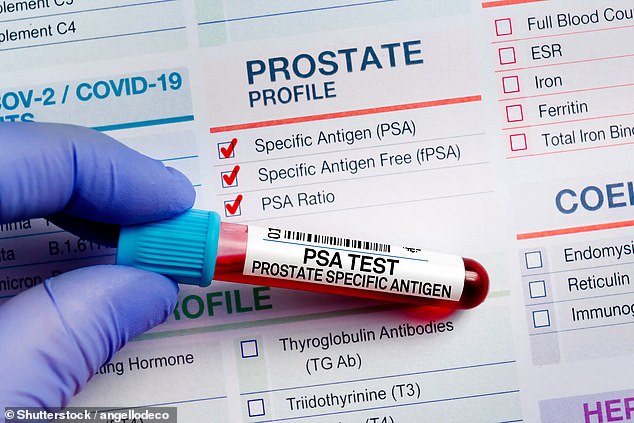
If either of these tests raises concerns, a biopsy is typically ordered to confirm the diagnosis. Additional imaging and pathology tests help determine the aggressiveness of the cancer and whether it has spread.
Health experts are urging men over 50, as well as younger men with a family history of prostate cancer, to consult their general practitioner about annual screening. Early detection can make a significant difference in treatment outcomes and survival rates.
The call for increased awareness and proactive screening is growing louder. With rising cases among younger men, it is essential to address the issue before it becomes even more widespread. Experts and charities are pushing for targeted screenings for at-risk individuals, emphasizing the importance of early intervention.
Could thousands of prostate cancer deaths be prevented through better screening practices? As new evidence emerges, it becomes clear that the time for action is now. Understanding the risks and recognizing the silent signs of prostate cancer could save countless lives.