
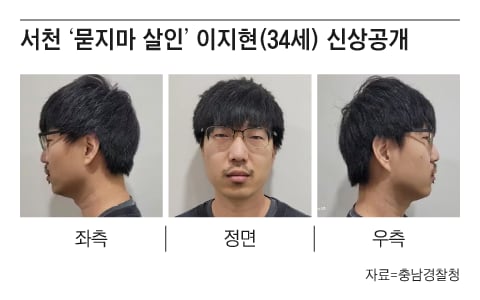
Lee Ji-hyun’s Life Sentence for Murder in Cryptocurrency-Related Crime
Lee Ji-hyun, a 34-year-old man, has been sentenced to life imprisonment for the murder of a woman in her 40s. The crime was committed in a fit of anger over failed cryptocurrency investments. This sentence was confirmed during an appellate trial, which upheld the original verdict from the first trial.
The Daejeon High Court Criminal Division 1, presided over by Judge Park Jin-hwan, dismissed the prosecution’s appeal regarding the electronic device attachment order and maintained the life sentence imposed during the initial sentencing hearing. The court emphasized that the defendant’s actions warranted severe punishment due to the nature of the crime.
Details of the Crime
Lee was brought to trial for stabbing a woman in her 40s multiple times with a weapon around 9:45 p.m. on March 2 of the previous year. The incident occurred on a sidewalk in Sagok-ri, Seocheon-gun, Chungcheongnam-do. Notably, the victim had no prior connection to Lee, making the crime even more shocking.
Investigations uncovered that Lee had suffered significant financial losses from failed cryptocurrency investments. These losses led to extreme anxiety and anger, particularly after he was denied a loan. His emotional state at the time of the crime played a critical role in the court’s decision.
Preparations for the Crime
It was revealed that Lee had written memos expressing violent intentions, such as “I will kill everyone,” a month before the crime. He also prepared a weapon in advance and conducted multiple reconnaissance missions to identify potential victims. These actions demonstrated a premeditated approach to the crime, further justifying the severity of the sentence.
Initial Trial Verdict
In the first trial, Lee was sentenced to life imprisonment and ordered to undergo five years of protective observation. The court highlighted the brutal nature of the crime, emphasizing that the defendant directed his anger over financial losses toward an innocent stranger. The court noted that this type of “random crime” without a specific motive or target instilled fear in the public, necessitating a severe punishment.
Appellate Court’s Ruling
The appellate court’s judgment aligned with the initial ruling. It acknowledged that Lee was a first-time offender but noted an intermediate level of recidivism risk based on adult recidivism assessments. The court believed that the combination of a life sentence, protective observation, and compliance requirements would be sufficient to prevent future offenses.
The prosecution’s appeal was not accepted, reinforcing the conclusion that the original sentence was appropriate given the circumstances of the case.
Conclusion
The case of Lee Ji-hyun highlights the dangers of financial stress and the potential for violent outbursts when individuals are unable to cope with their losses. The courts have clearly communicated that such crimes, especially those targeting strangers without a clear motive, will be met with the strictest possible penalties. This ruling serves as a warning to others who may consider acting on similar impulses.