
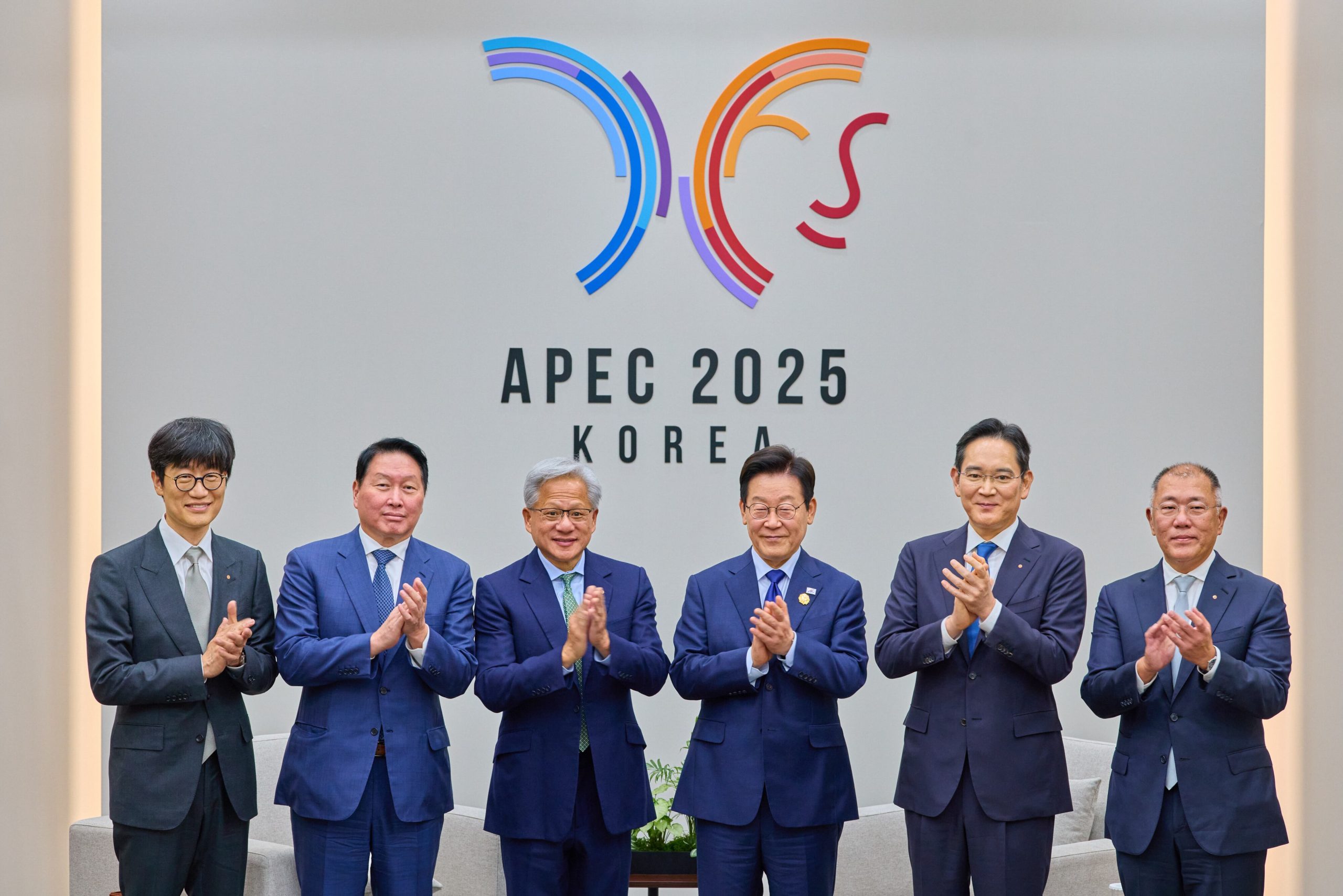
Key Meeting Canceled Due to Delay in Finalizing Joint Fact Sheet
A high-profile meeting between President Lee Jae-myung and top executives from South Korea’s major conglomerates has been canceled. The scheduled gathering, which was meant to take place on the 10th at the Yongsan presidential office, was postponed due to delays in finalizing a critical document known as the “Joint Fact Sheet.” This document is intended to summarize the outcomes of recent trade and security consultations between South Korea and the United States.
According to reports from the presidential office and industry sources, the meeting had originally included prominent figures such as Lee Jae-yong, chairman of Samsung Electronics; Chey Tae-won, chairman of SK Group; Chung Eui-sun, chairman of Hyundai Motor Group; and Koo Kwang-mo, chairman of LG Group. In addition, Kim Dong-kwan, vice chairman of Hanwha Group and a key player in the Korea-U.S. shipbuilding cooperation project ‘MASGA’; Jeong Gi-seon, chairman of HD Hyundai Group; and Seo Jung-jin, chairman of Celltrion—recently acquired Eli Lilly’s U.S. factory for 1.04 trillion Korean won—were also invited.
Reasons Behind the Postponement
An industry official suggested that the delay in finalizing the Joint Fact Sheet was the primary reason for the cancellation. This document is expected to outline the results of tariff negotiations between the two nations, which have been a significant point of discussion in recent months. South Korean companies had already made separate commitments to invest 150 billion U.S. dollars (approximately 217 trillion Korean won) in addition to the 350 billion U.S. dollar investment plan agreed upon by the governments of South Korea and the United States.
Industry insiders had anticipated that this meeting would serve as an opportunity for the conglomerate leaders to express gratitude to President Lee for facilitating the early resolution of tariff negotiations. They also expected the executives to present various initiatives, such as plans to expand domestic investments, increase employment, and provide support to partner companies.
Expectations for the Meeting
The original purpose of the meeting was not only to discuss the outcomes of the tariff negotiations but also to explore further collaboration between the government and private sector. It was expected that the executives would share their long-term strategies and how they plan to contribute to the country’s economic growth.
However, with the postponement of the meeting, there are now questions about how these discussions will be rescheduled and what impact the delay might have on future collaborations. Industry analysts suggest that the Joint Fact Sheet is crucial for ensuring transparency and clarity regarding the terms of the negotiations.
Potential Implications
The cancellation of the meeting could signal a shift in priorities or a need for more time to finalize the details of the agreements. It also highlights the complexity of international trade negotiations, where even minor delays can have ripple effects on business strategies and government policies.
As the situation unfolds, stakeholders are closely watching for updates on the progress of the Joint Fact Sheet and the rescheduling of the meeting. The outcome of these discussions could significantly influence the direction of South Korea’s economic policies and its relationship with the United States.
Conclusion
While the immediate cause of the meeting’s cancellation is the delay in finalizing the Joint Fact Sheet, the broader implications extend to the ongoing efforts of both the government and private sector to strengthen economic ties. The rescheduling of the meeting will likely depend on how quickly the necessary documents are finalized and how the parties involved navigate the complexities of the negotiations.