
The Controversial Demolition of a Historic Site
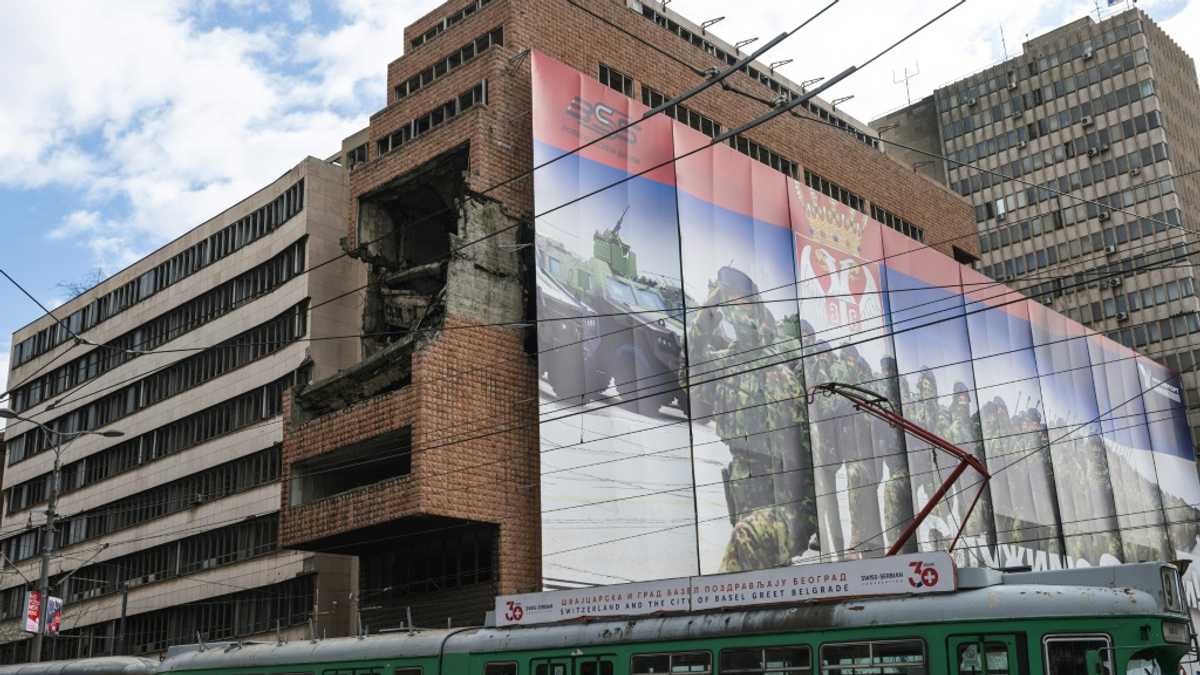
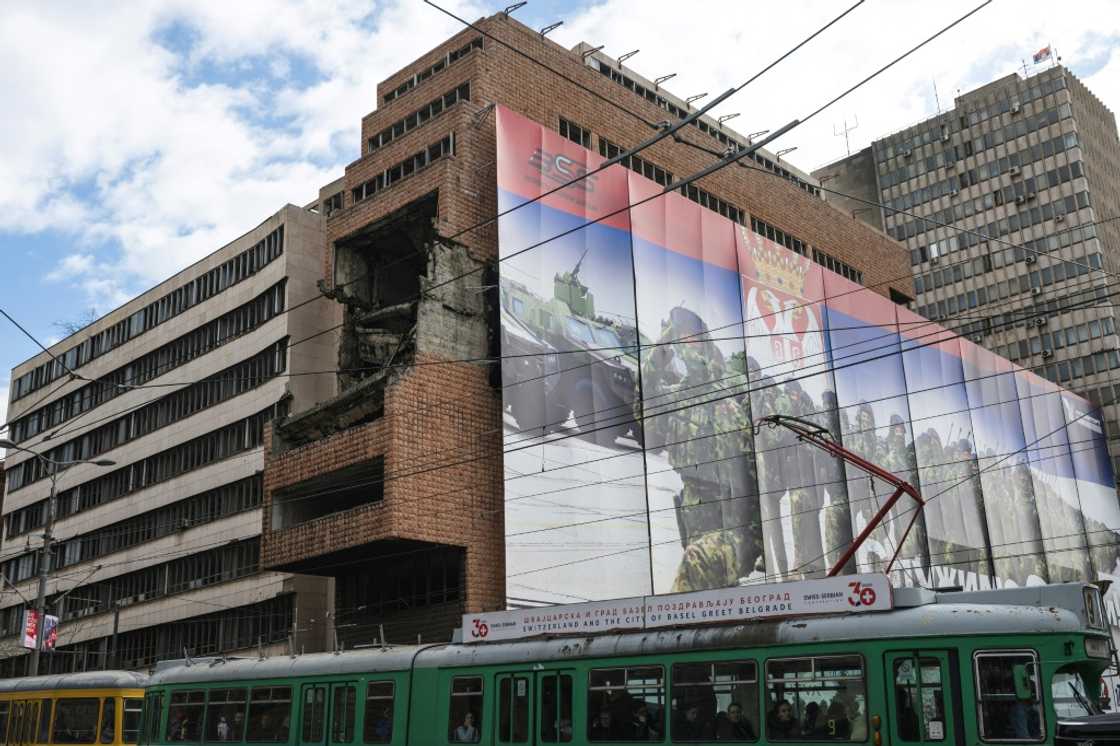
Serbia’s parliament has taken a significant step toward the demolition of the bombed-out Yugoslav Army headquarters in central Belgrade. This site, which is set to be transformed into a luxury hotel backed by Donald Trump’s son-in-law, Jared Kushner, has sparked intense debate and controversy.
The redevelopment project is particularly sensitive due to the historical significance of the mid-20th-century modernist complex. It was partly destroyed during NATO’s 1999 bombing campaign that ended the Kosovo war. The public remains divided over the plans linked to Kushner’s Miami-based investment firm, Affinity Partners, which aims to redevelop the site into a high-rise hotel.
Affinity Partners signed a 99-year land deal with the Serbian government last year to redevelop the site, shortly after its “cultural asset” status was revoked. However, the project faced delays in May when suspicions arose that a public official had forged documents used to lift the site’s protection. Investigations into these allegations are ongoing.
A special law passed by parliament on Friday classifies the redevelopment as urgent, requiring state institutions to issue permits and approvals without delay. The law received 130 votes in favor and 40 against. President Aleksandar Vucic, who has hosted Kushner several times in Belgrade, has given his personal support to the scheme.
One of Affinity’s partners in the project is the UAE company Eagle Hills, which was involved in the redevelopment of a large part of Belgrade’s riverfront. This scheme triggered a public outcry in 2016.
Miljenko Jovanov, a lawmaker from Vucic’s Serbian Progressive Party, stated during the parliamentary debate: “The General Staff building has been bombed and left in ruins for 26 years.” He expressed support for “good relations with the US, which many try to hinder.”
Opposition Green-Left Front MP Radomir Lazovic accused the government of trying to “flatten” the army headquarters under the false pretence that the hotel development was of “national interest.” Experts have called for the dilapidated building to be preserved both as a memorial and for its cultural value.
Miljan Salata, an architect and member of the Association of Architects of Serbia, described the building as “a unique architectural and urban masterpiece.” He emphasized that the structure is safe, can be reconstructed, and should remain in public use as a memorial to the victims of NATO’s bombing.
Estela Radonjic Zivkov, a heritage expert from Serbia’s Institute for the Protection of Cultural Monuments, criticized the law, calling it a “dangerous precedent” of allowing monuments to be stripped of protection, sold, and demolished.
Vucic is currently under pressure due to the fallout from a fatal accident at a newly renovated train station last year, which many blamed on government corruption. Initial outrage over the accident in Novi Sad evolved into an anti-corruption movement, culminating in tens of thousands of protesters gathering to mark the first anniversary.
During Friday’s vote, a small crowd of protesters gathered outside parliament, supporting a mother of one of the Novi Sad victims who has been on a hunger strike since Sunday to demand accountability for the deaths of her son and 15 others killed in the tragedy.
Key Points of the Debate
- Historical Significance: The Yugoslav Army headquarters holds deep historical and cultural value, being a symbol of a pivotal period in Serbia’s history.
- Controversial Backing: The involvement of Kushner and Affinity Partners has raised concerns about foreign influence and potential conflicts of interest.
- Legal and Political Implications: The passage of the special law highlights the political pressures surrounding the project and the urgency with which it is being pursued.
- Public Sentiment: There is a clear divide between those who support the redevelopment and those who advocate for the preservation of the site as a memorial.
- Corruption Concerns: The recent train station incident and subsequent protests have intensified scrutiny on the government’s actions and decisions.
Conclusion
The debate over the demolition of the Yugoslav Army headquarters reflects broader tensions in Serbia regarding historical preservation, foreign investment, and government transparency. As the project moves forward, the implications for cultural heritage and public trust will continue to be closely watched.