
Appointment of Acting Chief Justice in Sri Lanka
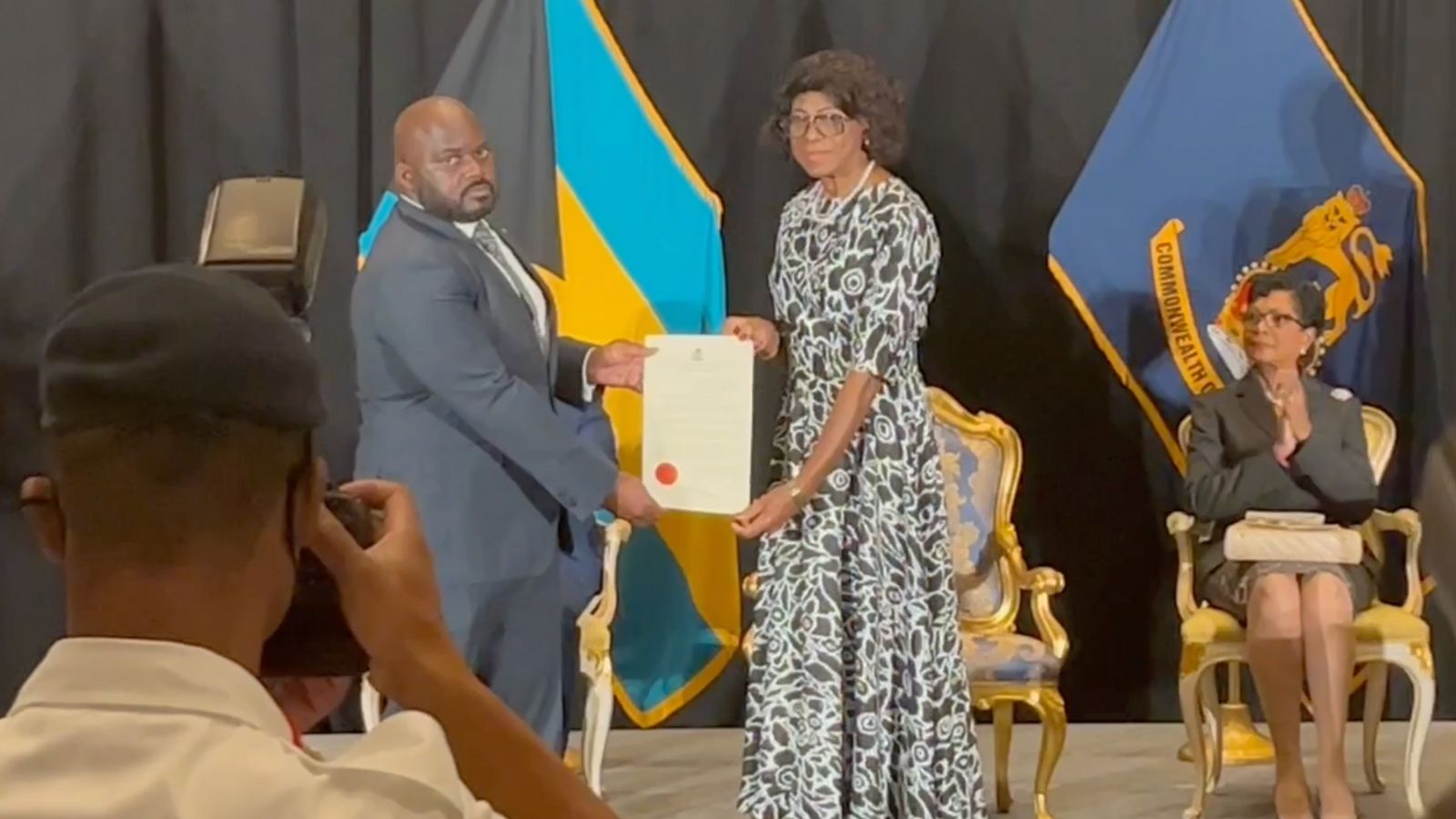
Sri Lanka witnessed a significant event on November 7 as Honourable Justice S. Thurairajah was sworn in as the Acting Chief Justice of the country. The oath of office was administered by President Anura Kumara Dissanayake at the Presidential Secretariat this morning.
This appointment marks an important transition in the leadership of the judiciary, as it is intended to serve during the absence of Chief Justice Preethi Padman Surasena, who is currently abroad. The move ensures that the judicial functions of the Supreme Court continue without disruption.
The ceremony was attended by several key officials, including Secretary to the President Dr. Nandika Sanath Kumanayake, who was present at the occasion. His presence underscored the importance of the event and the government’s commitment to maintaining the integrity of the judicial system.
Background of the Appointment
The role of the Chief Justice is crucial in upholding the rule of law and ensuring the proper functioning of the judiciary. When the Chief Justice is unable to perform their duties, an acting chief justice is appointed to fill the gap. This practice is common in many countries and is designed to maintain continuity and stability within the judicial framework.
In this case, the absence of Chief Justice Preethi Padman Surasena has necessitated the appointment of Justice S. Thurairajah. While details about the nature of her absence have not been publicly disclosed, the official statement from the Presidential Media Division highlights the procedural aspect of the appointment.
Significance of the Oath Ceremony
The swearing-in ceremony held at the Presidential Secretariat is a formal and symbolic event that emphasizes the gravity of the position being assumed. It also serves as a public affirmation of the individual’s commitment to upholding the principles of justice and the Constitution.
During the ceremony, Justice S. Thurairajah took the oath of office, which is a solemn promise to act impartially and in accordance with the law. This step is essential in reinforcing public trust in the judiciary and ensuring that the legal system remains independent and effective.
Role of the Acting Chief Justice
As the Acting Chief Justice, Justice S. Thurairajah will be responsible for overseeing the operations of the Supreme Court, presiding over important cases, and representing the judiciary in official capacities. This role requires a deep understanding of the legal system, strong leadership skills, and a commitment to fairness and transparency.
The acting chief justice will also work closely with other members of the judiciary to ensure that the court’s functions are carried out efficiently and effectively. This includes managing the docket, supervising judicial proceedings, and providing guidance on legal matters.
Future Implications
The appointment of Justice S. Thurairajah as the Acting Chief Justice is expected to have several implications for the judiciary in Sri Lanka. It may lead to increased scrutiny of the judicial process, especially if there are any changes in the way cases are handled or decisions are made.
Additionally, the appointment could influence the perception of the judiciary among the public and the legal community. A smooth transition and effective performance by the acting chief justice can help maintain confidence in the judicial system.
Conclusion
The swearing-in of Justice S. Thurairajah as the Acting Chief Justice of Sri Lanka represents a critical moment in the country’s judicial history. It ensures that the Supreme Court continues to function properly during the absence of the regular chief justice, while also highlighting the importance of maintaining a stable and efficient legal system.
As the new acting chief justice takes on this responsibility, the focus will be on upholding the principles of justice, ensuring fair treatment for all, and maintaining the integrity of the judiciary. The coming days will be crucial in determining the effectiveness of this transition and its impact on the broader legal landscape of Sri Lanka.