
Addressing Post-Harvest Losses in Nigeria
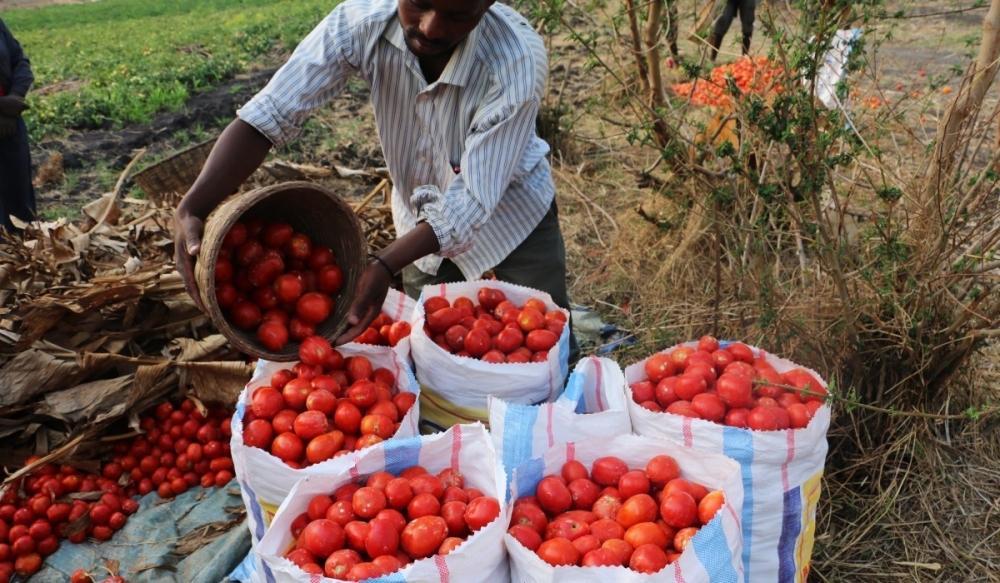
ActionAid Nigeria has urged the Federal Government to increase its investments and interventions aimed at reducing post-harvest losses. The organization warns that Nigeria loses an estimated N3.5 trillion worth of food annually due to poor storage, handling, processing, and market inefficiencies. This staggering loss highlights the urgent need for systemic improvements in the country’s agricultural sector.
Azubike Nwokoye, a Food Systems Specialist at ActionAid Nigeria, made these calls during an interview on the sidelines of the ongoing 47th National Council on Agriculture and Food Security in Kaduna. He emphasized that while recent government claims of declining food prices may be true in some markets, the overall food system remains under significant pressure, particularly for farmers who are struggling to recover their production costs.
“There are different narratives. Farmers in some areas are saying prices have dropped because borders have opened, meaning they are not recovering what they spent on planting. In other places, prices are still high. But the key issue is the massive level of post-harvest losses in Nigeria,” Nwokoye stated.
According to him, Nigeria currently loses between 40 and 50 per cent of food produced each year. This loss, valued at N3.5 trillion, translates to an average of N94.5 billion per state annually. Nwokoye pointed out that reducing these losses would lead to more food becoming available, protect farmers’ incomes, and stabilize the food supply chain. He stressed that substantial investment in storage, aggregation, processing, and market linkages is essential.
Nwokoye welcomed the Federal Ministry of Agriculture’s new post-harvest loss reduction programme but insisted that implementation must be sustained and adequately funded. He also urged the government to introduce a guaranteed minimum price policy to stabilize markets at harvest time, ensuring farmers receive fair returns and are not forced to sell at a loss.
“A proper analysis must be done so that farmers make profit and not losses. In many states today, what we are seeing is largely the farmers’ effort, not government support. This has to change,” he said.
He highlighted that while many states allocate funds to agriculture on paper, actual spending remains far below requirements. Nwokoye called for adherence to the Kampala Declaration, which encourages African countries to dedicate at least 10 per cent of public expenditure—not just budget allocation—to agriculture.
Nwokoye also revealed that Nigeria is developing a National Strategy on Agroecology, following approval at the last National Council on Agriculture. “Agroecology is a sustainable way to produce food, reduce reliance on costly external inputs, and limit hazardous pesticides,” he explained. A national validation meeting on the strategy is scheduled for the first week of December.
ActionAid has presented a political economy analysis at the Council meeting, highlighting how increased investments in agriculture can boost Internally Generated Revenue (IGR) for states. “We have identified key areas where investment in agriculture produces measurable revenue and employment outcomes. This is not just about food; it is about building wealth and economic stability,” Nwokoye said.
Stakeholders at the Council are expected to deliberate on recommendations and issue policy resolutions aimed at strengthening food security and agricultural resilience nationwide.
Key Recommendations for Agricultural Development
- Investment in Infrastructure: Significant funding should be allocated to improve storage facilities, processing units, and market linkages to minimize post-harvest losses.
- Guaranteed Minimum Price Policy: Implementing a policy that ensures farmers receive fair returns for their produce will stabilize markets and protect their incomes.
- Adherence to the Kampala Declaration: Governments must commit to allocating at least 10% of public expenditure to agriculture to ensure long-term sustainability.
- Promotion of Agroecology: Encouraging sustainable farming practices that reduce reliance on costly inputs and harmful pesticides will enhance environmental and economic resilience.
- Political Economy Analysis: Using data-driven approaches to identify investment areas that yield measurable economic benefits is crucial for effective policy-making.
The development of a National Strategy on Agroecology represents a promising step toward a more sustainable and resilient agricultural sector. By focusing on agroecological principles, Nigeria can create a food system that is both environmentally friendly and economically viable.
As the National Council on Agriculture and Food Security continues its deliberations, the emphasis on addressing post-harvest losses and promoting sustainable practices will play a critical role in shaping the future of Nigerian agriculture. The collaboration between stakeholders, including organizations like ActionAid Nigeria, will be essential in driving meaningful change and ensuring food security for all.