
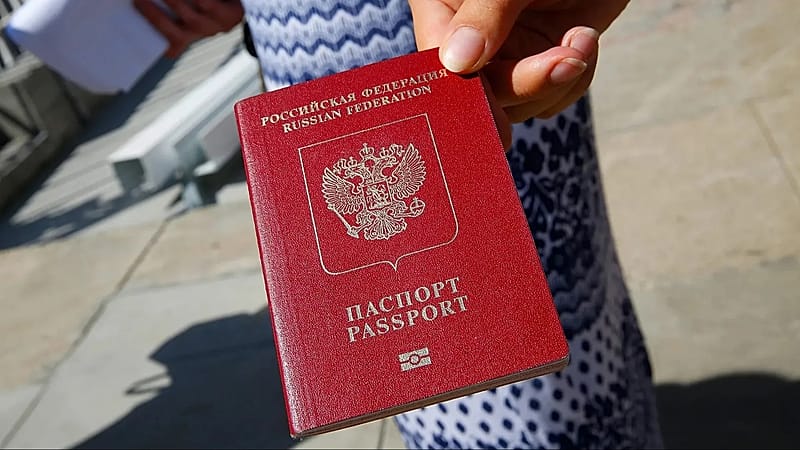
New Restrictions on Schengen Visas for Russian Citizens
The European Commission has introduced stricter regulations regarding the issuance of multiple-entry Schengen visas for Russian passport holders who reside in Russia. As a result, these individuals will now only be eligible for single-entry visitor visas.
Markus Lammert, a spokesperson for the European Commission, addressed this change during a press conference on Friday. He emphasized that the new rules significantly limit the availability of multiple-entry visas for Russian applicants. However, he noted that there are still some exceptions to this policy.
Exceptions and Special Cases
Certain categories of individuals are still allowed to apply for multiple-entry visas. These include close family members of Russian citizens living in the EU and family members of EU citizens. These groups can receive multiple-entry visas valid for up to one year.
Transport workers are also eligible for multiple-entry visas, though the validity period is limited to nine months.
In addition, the Commission spokesperson mentioned that in exceptional circumstances, European countries may issue multiple-entry visas to individuals whose reliability and integrity is unquestionable. This includes dissidents, independent journalists, human rights defenders, and representatives of civil society organizations.
It is important to note that these new rules do not apply retroactively. They will only affect new visa applications submitted after the implementation of the changes.
Previous Visa Restrictions
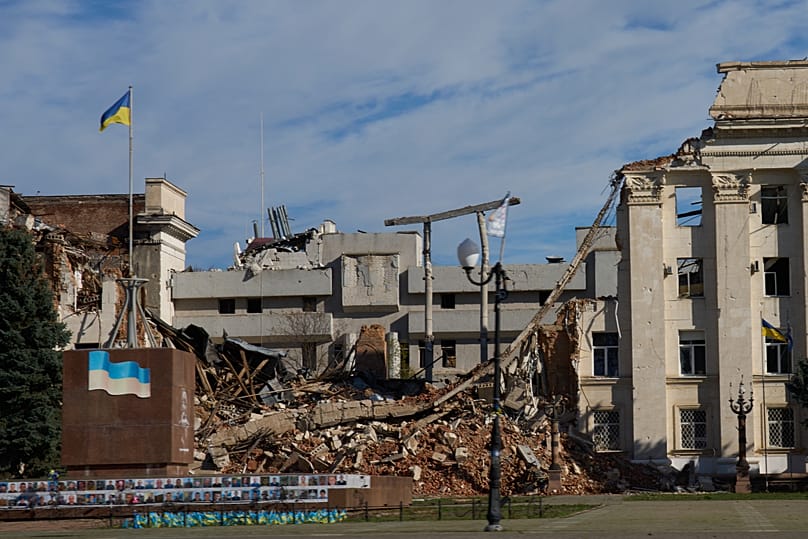
Before these new measures, Europe had already begun tightening visa rules for Russian travelers following the full-scale invasion of Ukraine in 2022. The EU suspended the Visa Facilitation Agreement with Russia, which had previously made short-stay visa applications more affordable and straightforward for Russians.
As part of these changes, the EU also stated that Russian travel documents issued in Russian-occupied regions of Ukraine would not be accepted for entry into the Schengen area.
Some EU member states took additional steps. Lithuania, Latvia, and Estonia implemented further restrictions, limiting the entry of Russian citizens into their territories.
Visa Application Trends
According to data from the European Commission, in 2024, more than 600,000 short-stay visa applications were issued by the EU and Schengen-associated countries to Russian nationals. This represents an increase compared to 2023, when approximately 520,000 visas were issued.
However, the refusal rate for these applications remained relatively low at 7.5%. This suggests that while the process has become more stringent, many applications are still being approved.