
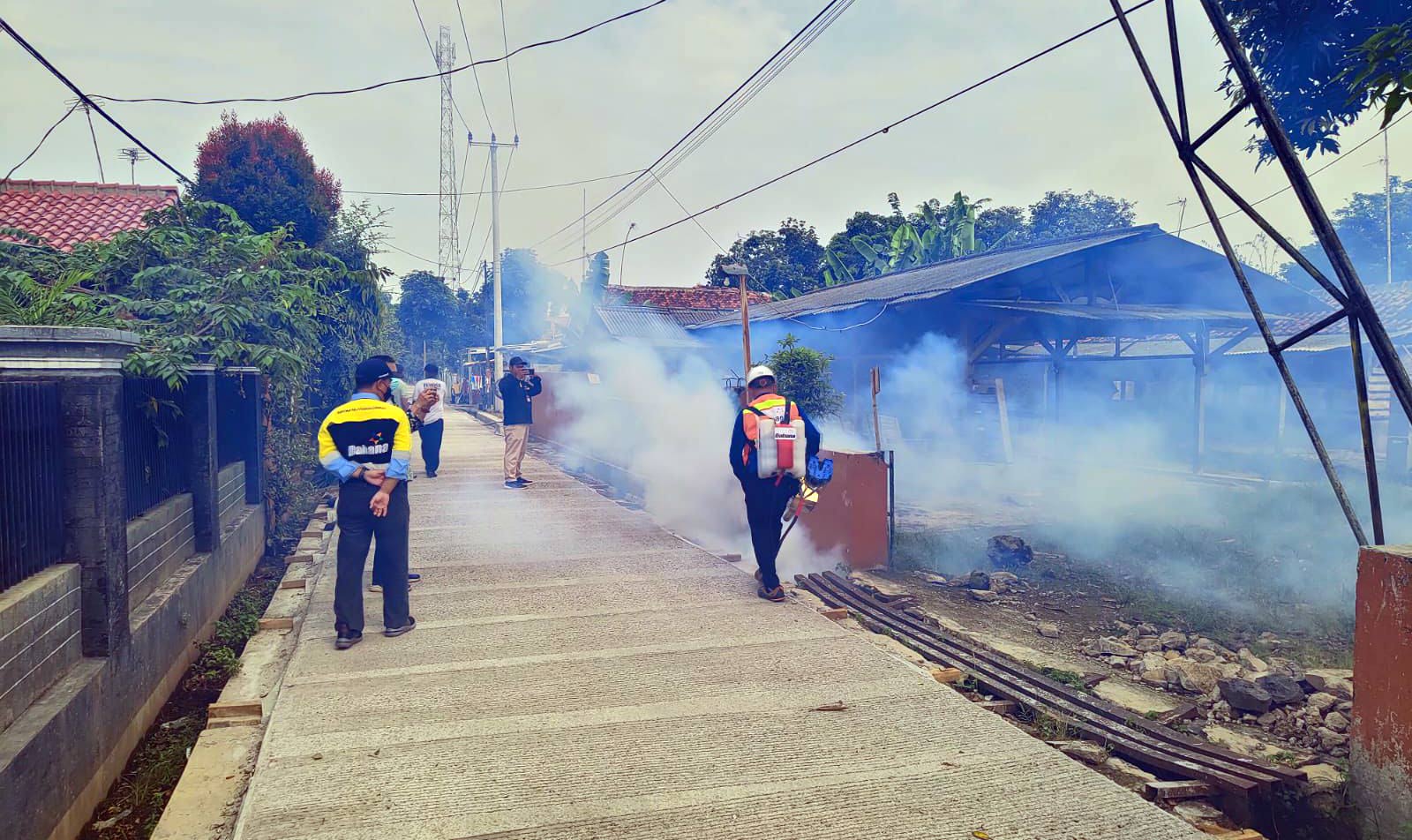
Enhanced Field Operations to Combat Dengue Outbreaks in Islamabad
The district administration of Islamabad has taken significant steps to manage the rising cases of dengue. As seasonal outbreaks continue to affect the region, field operations and monitoring have been intensified to ensure effective control measures are in place. Over the past 24 hours, teams have carried out fogging operations at 916 locations identified as high-risk zones for dengue transmission. These efforts are part of a broader initiative to reduce mosquito breeding and prevent further spread of the disease.
In addition to fogging, field teams conducted inspections at 38,391 sites across different sectors and union councils. These routine surveillance activities are essential in identifying potential breeding grounds for mosquitoes and addressing them promptly. The latest report indicates that 20 new dengue cases have been confirmed, with 10 cases reported from both urban and rural areas. Currently, 48 patients are receiving treatment at various hospitals in Islamabad. Health authorities are closely monitoring these individuals and ensuring that all dengue treatment protocols are followed accurately.
Larva detection teams have also been active in inspecting residential, commercial, and public sites. During these inspections, 271 locations tested positive for dengue larvae, while 2 sites showed no signs of infestation. To eliminate breeding sources, anti-dengue spraying was completed at 1,014 houses, offices, and public spots during the day. This effort is critical in reducing the mosquito population and preventing further transmission.
Officials have issued special instructions to field teams, emphasizing the need for daily monitoring of all reported hotspots. The administration has made it clear that any negligence in implementing the dengue Standard Operating Procedures (SOPs) will not be tolerated. This strict approach aims to ensure that all preventive measures are consistently applied across the district.
The district control room remains operational around the clock to receive public complaints and emergency alerts. Citizens are encouraged to report any dengue-related issues, water stagnation, or mosquito breeding sites immediately. Timely reporting is crucial for swift action and effective containment of the outbreak.
An official from the district administration highlighted the importance of public participation in controlling the spread of dengue. Residents are urged to cooperate with field teams, maintain cleanliness in their surroundings, and ensure there is no standing water inside or outside their homes. These small but essential actions can significantly contribute to reducing mosquito breeding opportunities.
The administration has stated that ongoing field operations will continue until the risk of dengue transmission is minimized. In addition to these efforts, health teams are conducting awareness campaigns in schools, markets, and residential areas. These initiatives aim to educate citizens about preventive measures and promote community involvement in combating dengue.
District health officials have also advised citizens to cover water containers, dispose of garbage properly, and use mosquito repellents. They emphasized that sustained cooperation from residents is vital for maintaining the progress of anti-dengue operations throughout Islamabad.