
The Rhetoric of Progress
President Emmerson Mnangagwa recently addressed the World Summit for Social Development in Doha, Qatar, where he claimed that Zimbabwe has nearly halved poverty since 1995. According to his statements, poverty levels dropped from 62% to 38.3% between 1995 and 2019, while primary school enrollment reached 88%. These figures, on the surface, suggest significant social progress. He credited this “success” to government-funded programs such as the Basic Education Assistance Module (Beam), which reportedly covers school fees for 1.5 million learners annually.
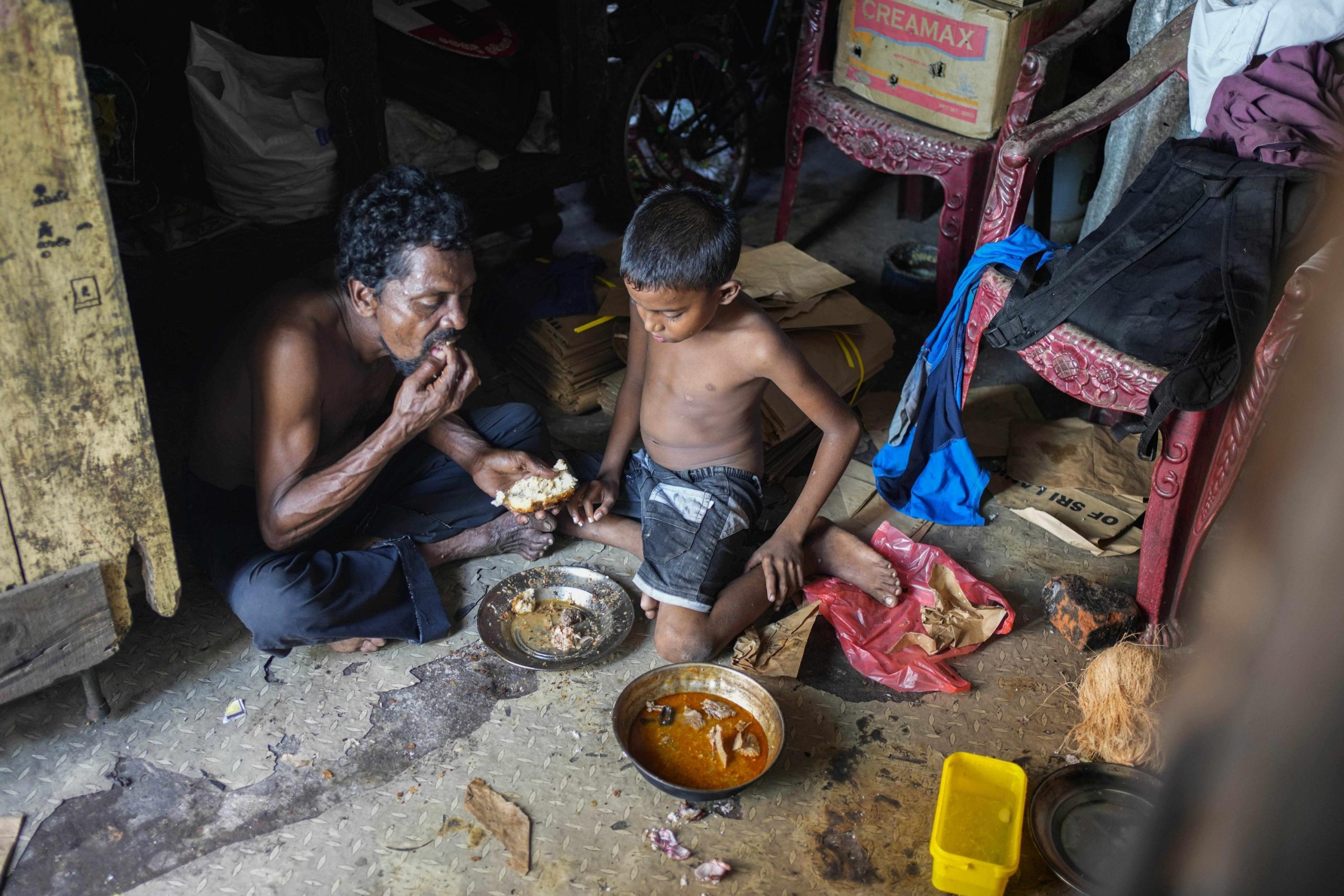
The message was clear: Zimbabwe is moving towards inclusion and prosperity. However, the reality on the ground paints a different picture. Poverty remains widespread and visible across the country, evident in informal markets, crumbling hospitals, and underfunded schools.
A Crisis in Education
The education sector, which the President highlighted as a pillar of progress, is actually in crisis. Consider the case of Bulawayo City Council (BCC)-run schools, which are owed more than ZiG39 million in unpaid fees under the Beam program. According to the September 2025 BCC Education Section report, total enrollment in all 31 council schools stood at 41,599 learners, yet ZiG145 million in tuition and levies remained outstanding.
The report quotes the city’s director for housing and community services, Dictor Khumalo, who noted that: “Council did not receive any Beam funds as yet for 2025 — and since 2022.” This raises critical questions: If Beam is transforming access to education, where are the funds? Why are thousands of schools waiting years for disbursement?
Numbers vs. Realities
The contrast between rhetoric and reality is stark. In May this year, the Primary and Secondary Education deputy minister, Angeline Gata, told Parliament that nearly 50,000 learners dropped out of school in 2024 alone due to pregnancy and long distances to schools. Of these, 15,809 were in primary school and 33,746 in secondary school. These are not numbers of progress; they are numbers of despair.
What the figures reveal is a sector quietly hemorrhaging. While officials boast of “88% enrollment,” they do not mention the thousands who leave school early or the families that can no longer afford fees, uniforms, books, or transport. They celebrate statistics, not stories — and in doing so, they mistake attendance for achievement and policy for progress.
The Redefinition of Poverty
Poverty, too, has not been halved — it has been redefined. The introduction of new currencies, chronic inflation, and the informalisation of the economy have blurred the meaning of income and consumption. In reality, millions of Zimbabweans survive on less than US$2 per day, despite working full-time in vending, cross-border trading, or casual labor.
Rural poverty is deepening, urban unemployment is entrenched, and social mobility has all but collapsed. Meanwhile, government social safety nets — from Beam to food aid — are riddled with delays, corruption, and political interference. The little that trickles down rarely reaches those most in need.
A Legacy Under Siege
The tragedy of Zimbabwe’s social policy is not merely inefficiency, but dishonesty. The State continues to broadcast statistics of success to international audiences, while concealing glaring evidence of its failures. Numbers can be massaged; classrooms and empty stomachs cannot.
Education has always been Zimbabwe’s pride — a legacy of post-independence investment that lifted millions out of poverty. But today, that legacy is under siege. Teachers are underpaid, schools are under-resourced, and students are dropping out in droves. To claim victory in such conditions is not optimism; it is denial.
A Call for Honesty
Zimbabwe does not need cosmetic statistics or applause at global conferences. It needs honesty, accountability, and a renewal of commitment to social justice. Until that happens, the President’s claims of halving poverty will remain what they are — a mirage in a desert of broken promises.