
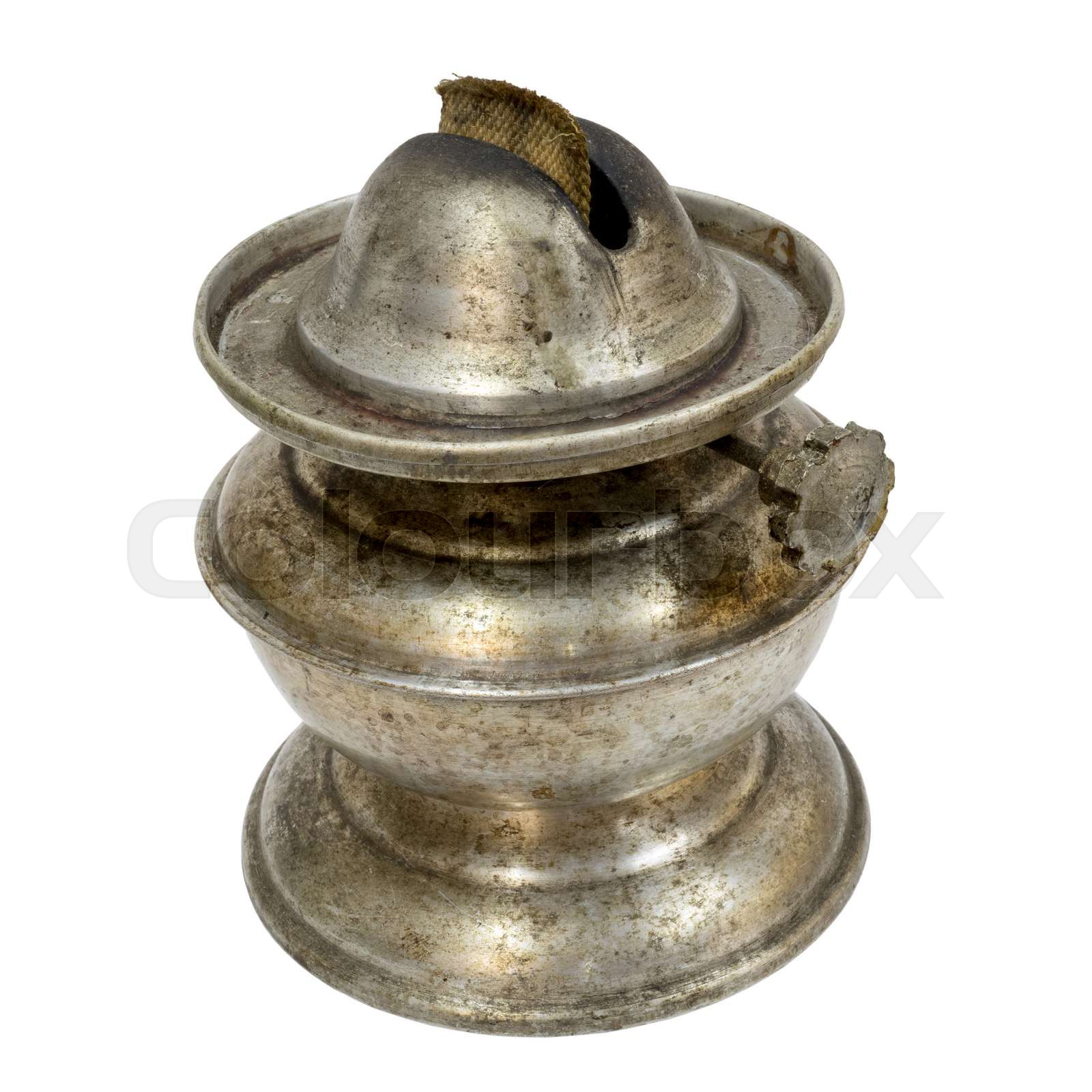
Kerosene Lamps and Shared Toilets in Sri Lanka’s Southern Province
A recent report from the Census and Statistics Department highlights the continued reliance on kerosene lamps for lighting in certain areas of Sri Lanka’s Southern Province. The data reveals that 7,287 families across the region use kerosene lamps to illuminate their homes. This figure includes specific numbers for different districts within the province.
In the Galle District, which has a total of 307,704 families, 0.78 percent—equivalent to 2,400 households—rely on kerosene lamps for lighting. Similarly, the Matara District, home to 231,946 families, reports that 0.79 percent of these households, or approximately 1,832 families, use kerosene lamps. These figures indicate that while the majority of residents have access to modern lighting solutions, a significant number still depend on traditional methods.
The Hambantota District presents a higher percentage of kerosene lamp usage. With a total of 188,638 families, 1.62 percent of them—around 3,055 households—use kerosene lamps. This suggests that some communities in this district may lack access to reliable electricity or face financial constraints that limit their ability to switch to alternative lighting sources.
Shared Toilet Facilities
In addition to lighting challenges, the report also addresses the issue of shared toilet facilities among households. In the Southern Province, 12,029 families share toilets with other housing units that do not have their own toilet facilities. This situation is particularly prevalent in densely populated areas where infrastructure development has not kept pace with population growth.
In the Galle District, 1.6 percent of the total number of families—approximately 4,923 households—share toilets with other housing units. Similarly, in the Matara District, 1.6 percent of the 231,946 families, or 3,711 households, also rely on shared toilet facilities. These statistics highlight the need for improved sanitation infrastructure in these regions.
The Hambantota District also faces similar challenges. According to the report, 3,395 families in the district share toilets with other households. This underscores the broader issue of inadequate sanitation access in parts of the Southern Province.
Implications and Challenges
The reliance on kerosene lamps and shared toilet facilities points to ongoing challenges in rural and semi-urban areas of Sri Lanka. While these communities may have access to basic services, the quality and availability of these services remain uneven. The use of kerosene lamps, for example, can pose safety risks and contribute to indoor air pollution, affecting health outcomes.
Similarly, shared toilet facilities often lead to hygiene issues and can increase the risk of disease transmission. Addressing these concerns requires targeted investments in infrastructure, including electrification projects and sanitation improvements.
Efforts to expand access to electricity and improve sanitation are essential for enhancing the quality of life for residents in these areas. Government initiatives, along with support from international organizations, could play a critical role in addressing these disparities.
Conclusion
The findings from the Census and Statistics Department provide valuable insights into the living conditions of families in Sri Lanka’s Southern Province. While progress has been made in many areas, the continued use of kerosene lamps and shared toilet facilities indicates that there is still work to be done. By focusing on infrastructure development and equitable access to essential services, policymakers can help ensure that all residents have the opportunity to live safely and comfortably.