
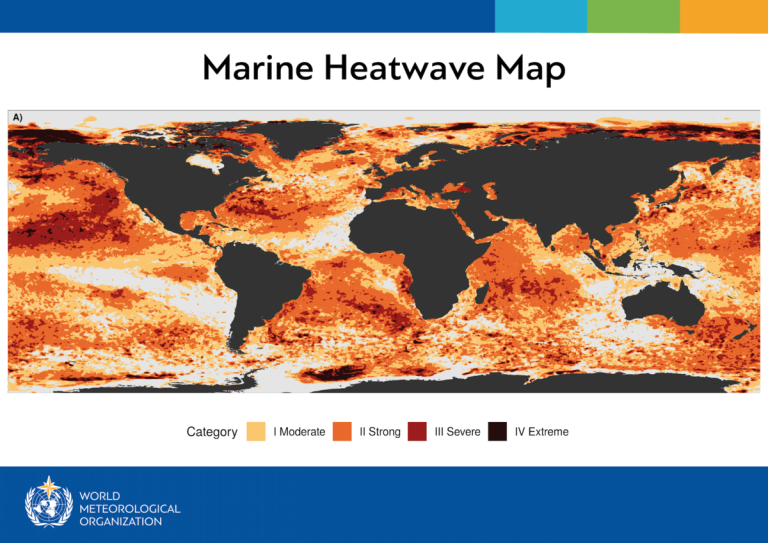
Global Climate Trends and Warnings from the World Meteorological Organization
The year 2025 may be among the top three warmest years since the Industrial Revolution, according to predictions made by the World Meteorological Organization (WMO). These forecasts will be shared at the upcoming UN Climate Change Conference, COP30, which is set to take place in Belém, Brazil. The WMO’s data highlights a concerning trend of rising global temperatures and increasing climate-related disasters.
Record-Breaking Temperatures
The period from 2015 to 2025 has been identified as the warmest 11-year span in the past 176 years, according to the Geneva-based organization. Within this timeframe, 2023, 2024, and 2025 have been recognized as the three hottest years on record. Since June 2023, every month has seen record-breaking temperatures, with only February 2025 being an exception.
From January to August 2024, the average global temperature was approximately 1.42 degrees Celsius above the baseline levels recorded between 1850 and 1900. This significant deviation underscores the accelerating pace of global warming.
Regional Impacts of Climate Change
The WMO has also highlighted the widespread effects of these temperature increases. Many regions in Africa and Asia have experienced severe flooding, while wildfires have devastated areas in Europe and North America. Additionally, several hurricanes have caused significant damage across different parts of the world.
In 2024 alone, the global temperature reached 1.55 degrees Celsius above the reference levels, marking it as the warmest year so far. This continued rise in temperatures is closely linked to the increasing concentrations of greenhouse gases in the atmosphere.
Rising Greenhouse Gas Levels
Greenhouse gas emissions reached record levels in 2024 and continue to rise. The WMO reported that the Arctic sea ice extent during the winter season was lower than any previous recorded year. This decline in sea ice contributes to further warming, as less ice means more heat absorption by the ocean.
Although the rate of sea level rise has slightly decreased due to natural climate phenomena, the overall upward trend remains unchanged. This ongoing rise in sea levels poses a growing threat to coastal communities worldwide.
Ongoing Challenges and Future Outlook
Despite efforts to mitigate climate change, the data indicates that the planet is moving closer to reaching critical temperature thresholds. The WMO’s warnings serve as a reminder of the urgent need for global cooperation and action to address the escalating climate crisis.
As the international community prepares for COP30, the focus will likely remain on strengthening climate commitments and implementing effective strategies to reduce emissions and adapt to changing conditions.