
Nepal’s Electricity Sector Set to Benefit from New Cross-Border Transmission Lines
Nepal is taking significant steps to enhance its electricity infrastructure through a new agreement with India. The government has confirmed that the Nepal Electricity Authority (NEA) will be among the key beneficiaries of the upcoming cross-border transmission lines connecting the two countries.
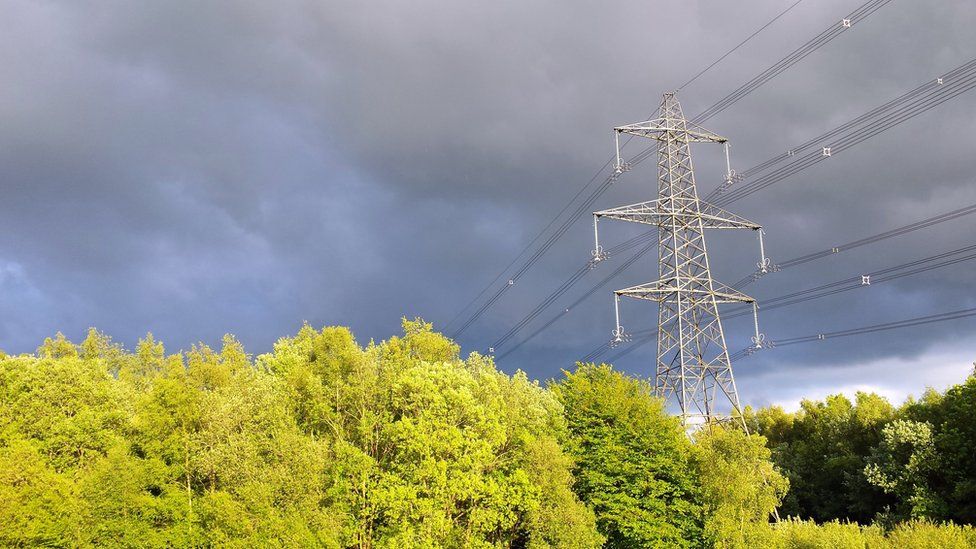
The initiative involves the construction of two additional 400 KV transmission lines, which are set to be built between Nepal and India. These lines will connect the Inaruwa-Poornia and Dododhara-Bareilly regions, marking a major development in the energy sector for both nations.
This collaboration between Nepal and India aims to strengthen the existing power grid and improve the reliability of electricity supply. By expanding the transmission capacity, the project is expected to facilitate smoother energy trade between the two countries, contributing to economic growth and regional stability.
Key Details of the Agreement
- Project Name:Inaruwa-Poornia and Dododhara-Bareilly 400 KV Transmission Lines
- Parties Involved:Nepal and India
- Objective:Enhance cross-border electricity transmission and support energy security
The agreement was signed after extensive discussions between officials from both countries. It outlines the joint responsibility of constructing and maintaining the new transmission lines, ensuring that both nations can benefit from increased power exchange.
Benefits for Nepal
The NEA, which is responsible for managing Nepal’s electricity distribution, stands to gain significantly from this project. With improved transmission infrastructure, the authority will be better equipped to handle surplus power generated from hydropower plants across the country.
Additionally, the new lines will allow Nepal to export excess electricity to India, generating revenue and promoting sustainable energy practices. This could also help reduce the frequency of power shortages, especially during peak demand periods.
Regional Implications
The cross-border transmission lines are not just a bilateral project; they have broader implications for the entire South Asian region. By strengthening energy connectivity, the initiative supports the concept of a regional power grid, which can lead to more efficient resource allocation and reduced energy costs.
Experts believe that such collaborations can serve as a model for other neighboring countries looking to improve their energy infrastructure. The success of this project could encourage similar agreements, fostering greater economic integration and mutual dependence.
Challenges and Considerations
While the project holds great promise, there are several challenges that need to be addressed. These include environmental concerns, land acquisition issues, and the need for robust maintenance plans. Both governments must work closely to ensure that the project is implemented smoothly and efficiently.
Furthermore, it is essential to involve local communities in the planning process to address their concerns and ensure that the benefits of the project are shared equitably.
Conclusion
The agreement between Nepal and India to build two additional 400 KV transmission lines represents a significant milestone in the region’s energy landscape. With the NEA poised to benefit directly, the project is expected to enhance Nepal’s electricity infrastructure, promote energy trade, and contribute to long-term economic growth.
As the project moves forward, continuous monitoring and cooperation between the two countries will be crucial to its success. The outcome of this collaboration could set a precedent for future energy initiatives in South Asia.