
Political Developments in Nepal
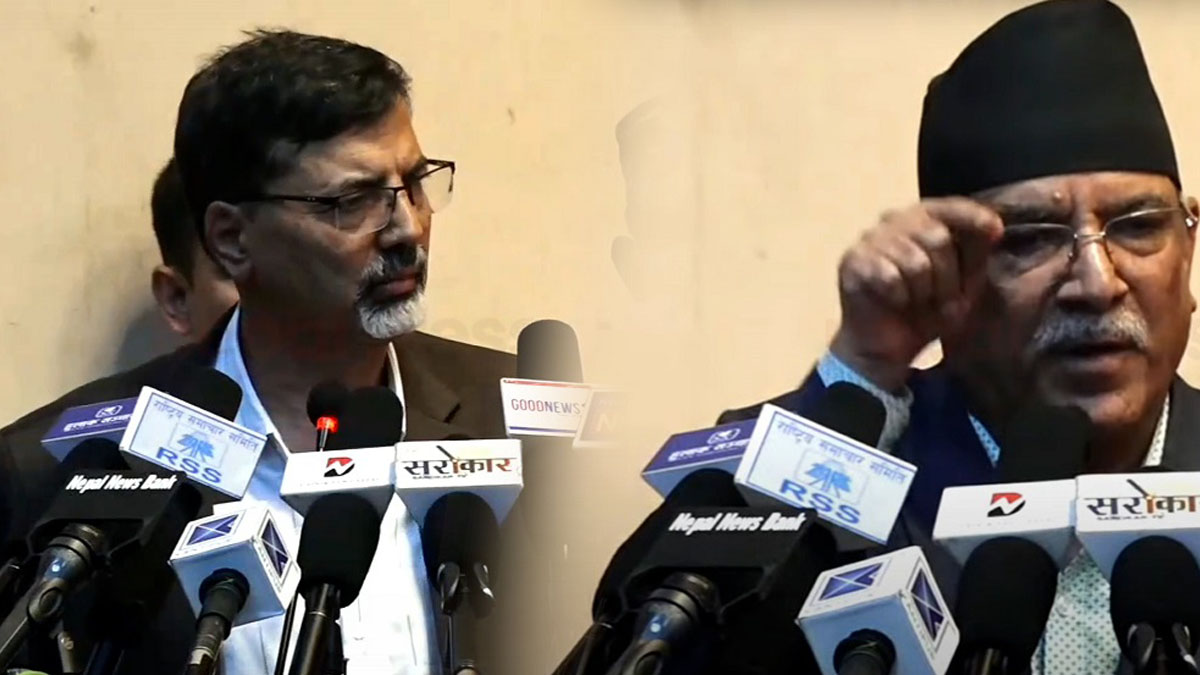
Kathmandu, Nov. 7 — A significant political development is taking place in Nepal as the Deputy General Secretary of the CPN (Maoist Centre), Janardan Sharma, prepares to visit the Election Commission (EC) to assert the party’s claim over its name and election symbol.
According to a source close to Sharma, this move comes in response to recent actions by Pushpa Kamal Dahal, who attempted to dissolve the Maoist Centre. The decision by Sharma to approach the EC reflects his belief that he holds the legitimate authority to defend the party’s identity and symbols.
Background of the Conflict
The conflict within the Maoist Centre has been escalating, with internal disputes over leadership and direction. The party, which has a long history in Nepalese politics, is now facing a critical moment as key figures take decisive steps to protect their interests.
Sharma’s initiative highlights the growing tension within the party. His actions are seen as a direct challenge to Dahal’s authority, raising questions about the future of the Maoist Centre and its role in the country’s political landscape.
Importance of the Election Symbol
The election symbol and the party’s name are more than just identifiers; they represent the party’s legacy and identity. Losing these could significantly impact the party’s ability to campaign and connect with voters. Therefore, the decision to claim them is a strategic move aimed at maintaining the party’s presence in the political arena.
Potential Implications
This development could have far-reaching implications for the Maoist Centre and the broader political environment in Nepal. If the EC supports Sharma’s claim, it may lead to further internal conflicts or even a split within the party. On the other hand, if the EC rules in favor of Dahal, it could strengthen his position and influence within the party.
The situation also raises concerns about the stability of the Maoist Centre and its ability to function effectively as a political entity. The outcome of this dispute will likely shape the party’s future and its role in upcoming elections.
What Comes Next?
As the EC prepares to consider Sharma’s request, all eyes are on the potential outcome. The next few days will be crucial in determining the direction of the Maoist Centre and its leadership structure.
Political analysts suggest that the resolution of this issue will depend on various factors, including the EC’s stance, the party’s internal dynamics, and the broader political climate in Nepal.
In the meantime, the public and media are closely following the developments, eager to see how this conflict unfolds and what it means for the future of the Maoist Centre.