
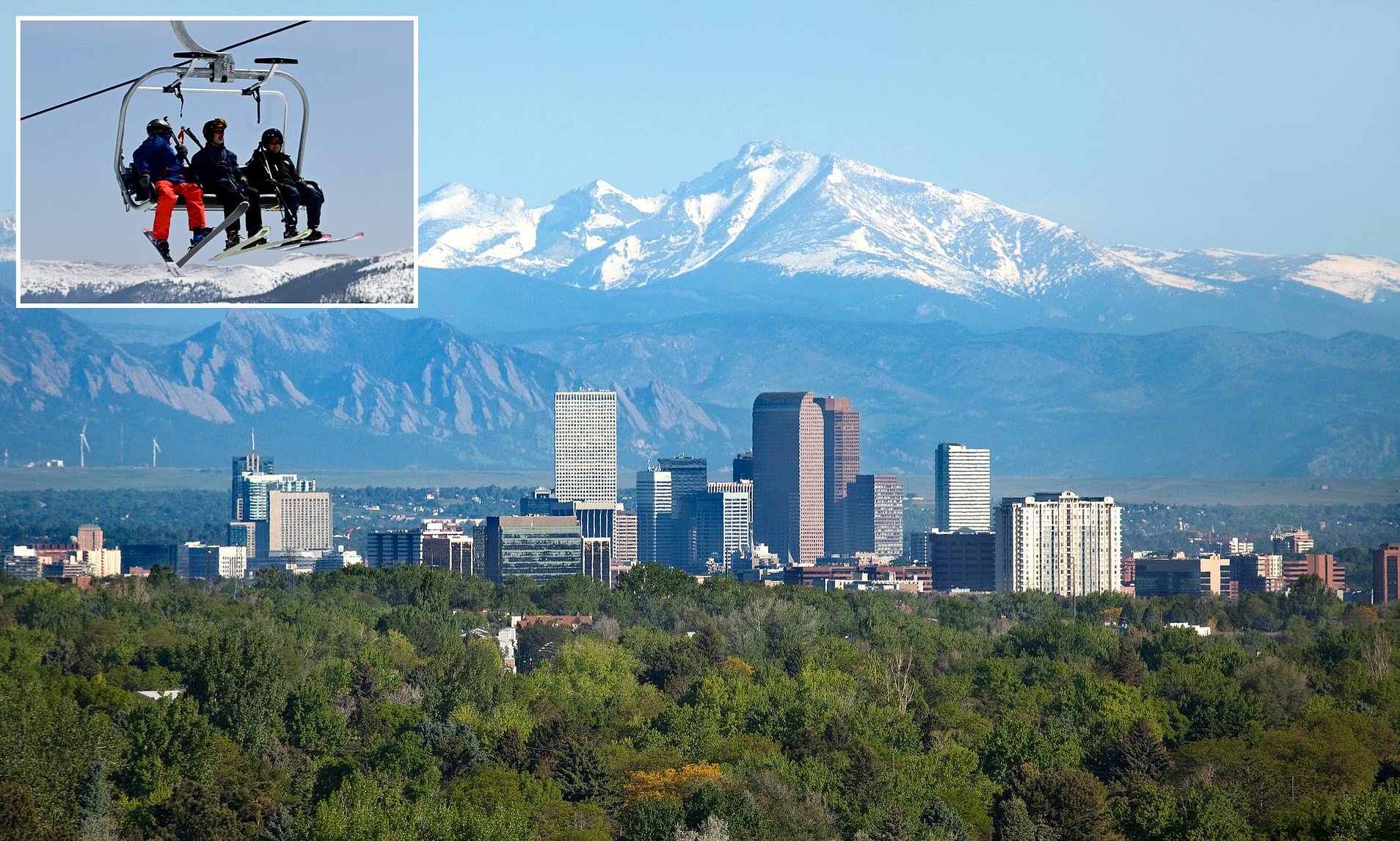
Denver’s Snowless Streak and the Impact on Winter Tourism
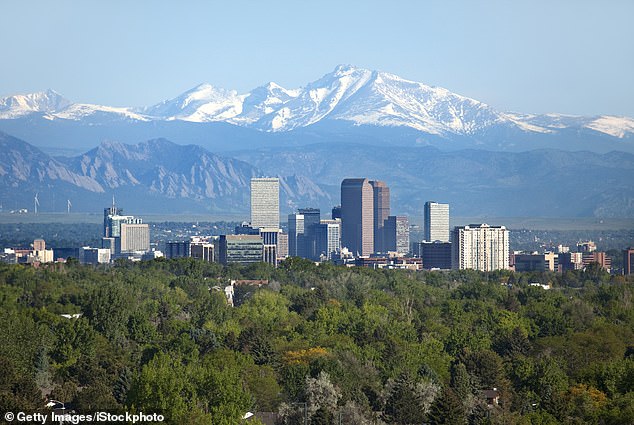
Denver, Colorado’s capital city, is known for its proximity to world-class ski resorts that attract snow-seekers from around the globe. However, the city has been experiencing an unusual phenomenon—no measurable snowfall for over 200 days. This dry spell is one of the longest in Denver’s recorded history, with the last snowfall occurring on April 18, according to KDVR.
As of Friday, the city has gone 203 days without any significant snowfall. The previous record for the longest snowless period was 232 days in 2021, meaning Denver still has a few weeks to avoid breaking that record. Weather service meteorologist Zach Hiris explained that this prolonged dry spell is due to a persistent high-pressure weather ridge that has kept temperatures warm and skies clear.
Hiris noted that this pattern may shift in mid-November, which could create more favorable conditions for winter weather and potentially bring the season’s first snow to the area. While Denver remains dry, the state of Colorado is already in the midst of its ski season thanks to aggressive snowmaking efforts and higher-elevation conditions.
Ski Resorts Open Early Despite Low Natural Snowfall
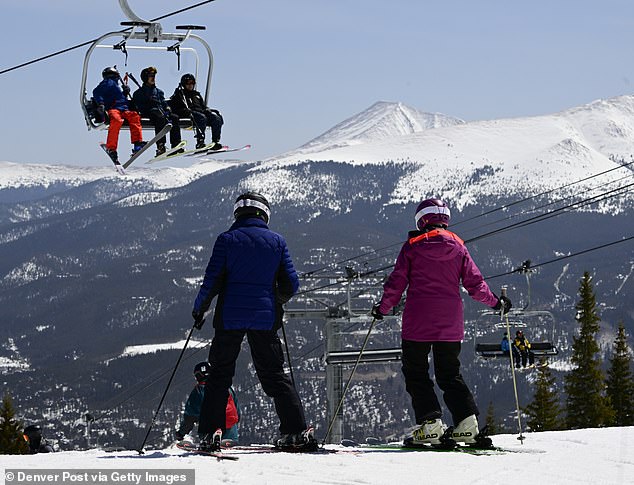
Several major ski resorts have already opened their doors. Keystone and Arapahoe Basin welcomed skiers on October 25 and 26, respectively, while Breckenridge and Copper Mountain started their seasons on November 7. These resorts are located at much higher elevations than Denver, typically beginning above 8,000 feet and reaching over 13,000 feet at their peaks.
Despite the lack of natural snow, some resorts have managed to operate using artificial snow. For example, Keystone hasn’t seen any snow in the past seven days but has accumulated 9 inches of snow so far this season. Arapahoe Basin, which opened on October 25, has reported 0 inches of natural snowfall and relies entirely on snowmaking. Similarly, Breckenridge and Copper Mountain have also seen no measurable snowfall.
Vail and Eldora are scheduled to open on November 14, with Aspen planning to follow suit on November 27. However, the overall statewide snowpack is alarmingly low, standing at just 14 percent of the median, placing it in the third percentile historically, as reported by KOAA.
Challenges for Resorts and Visitors
The reliance on artificial snow presents challenges for both resorts and skiers. Artificial snow is icier and less forgiving than natural powder, making the terrain more difficult to navigate. Additionally, warm winds have further complicated the process of expanding the available skiing areas.
Despite these challenges, Denver remains a crucial hub for winter tourism. Visitors often use the city as a starting point to reach top-tier ski destinations. While Denver’s tourism saw a slight plateau in 2024 after record highs in 2023, the city still attracted 37 million domestic visitors and generated $10.3 billion in tourism revenue in 2023, according to the Denver Gazette.
Its status as a year-round destination helps cushion the impact of seasonal fluctuations, ensuring continued interest in the city even during periods of low snowfall.
Future Outlook and Continued Monitoring
As the winter season progresses, officials and residents will be closely monitoring weather patterns and snowfall trends. The potential for a shift in the high-pressure ridge could bring much-needed snow to Denver and the surrounding areas. Until then, the focus will remain on the resilience of Colorado’s ski industry and the adaptability of its resorts in the face of changing conditions.
With the upcoming opening of new resorts and the ongoing efforts of existing ones, the winter season in Colorado is set to continue, albeit under unique circumstances.