
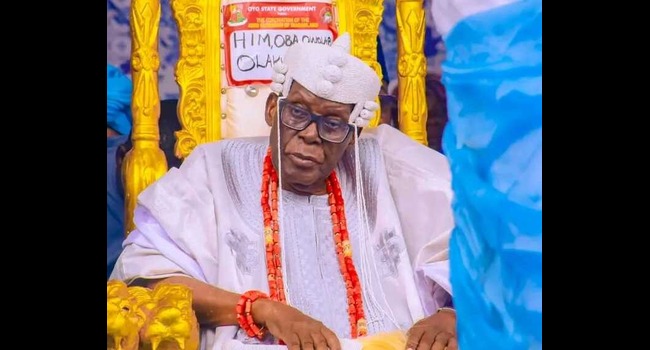
Traditional Ceremony Marks New Leadership in Ibadanland
The Olubadan of Ibadanland, Oba Rashidi Ladoja, held a significant traditional ceremony on Friday, during which five traditional chiefs were elevated within the Olubadan line. The event took place at the Olubadan Palace, located in Oke-Aremo, within the Ibadan North Local Government Area of Oyo State.
According to reports, this ceremony marked the first official traditional function performed by the 44th Olubadan. Ladoja assumed his position following the passing of the 43rd Olubadan, Oba Owolabi Olakulehin, who passed away on Monday, July 7, 2025, at the age of 90 years.
Key Elevations and Titles
The ceremony saw several notable elevations, with traditional chiefs receiving new titles and responsibilities. Among those honored was Osi Olubadan, Oba Eddy Oyewole-Foko, who was promoted to the position of Otun Olubadan. Another key figure, Asipa Olubadan, Oba Kola Daisi, was promoted to the role of Osi Olubadan. Additionally, Ekerin Olubadan, Oba Hamidu Ajibade, was elevated to the position of Asipa Olubadan.
Other individuals recognized during the event included Oba Muritala Akande, who was promoted from Ekarun Olubadan to Ekerin Olubadan. Chief Kola Babalola, previously the Abese Olubadan, was elevated to the position of Ekarun Olubadan.
Attendees and Significance
The ceremony attracted a wide range of attendees, including prominent figures from across the country. Notable among them was Prof Taoheed Adedoja, a former Minister of Sports, and Dolapo Osinbajo, the wife of a former Vice President. The event also drew participation from members of the Olubadan-in-Council, Iyalode-in-Council, traditional chiefs, and Mogajis.
This ceremony not only highlighted the continuity of traditional leadership in Ibadanland but also reinforced the cultural and historical significance of these roles within the community.
Cultural and Social Impact
The elevation of these traditional chiefs is more than a ceremonial event; it reflects the deep-rooted traditions and social structures that continue to shape the identity of Ibadanland. These positions are not merely symbolic but carry significant responsibilities in guiding and representing the community.
The presence of high-profile individuals at the event underscores the importance of these ceremonies in fostering unity and maintaining cultural heritage. It also serves as a reminder of the ongoing relevance of traditional institutions in modern society.
Conclusion
The ceremony organized by Oba Rashidi Ladoja marks a pivotal moment in the history of Ibadanland. The elevation of these traditional chiefs signifies a commitment to preserving and honoring the legacy of past leaders while paving the way for future generations. As the community gathers to celebrate these milestones, it reinforces the enduring value of tradition in shaping collective identity and social cohesion.