
A Call for Institutional Strength and Moral Clarity
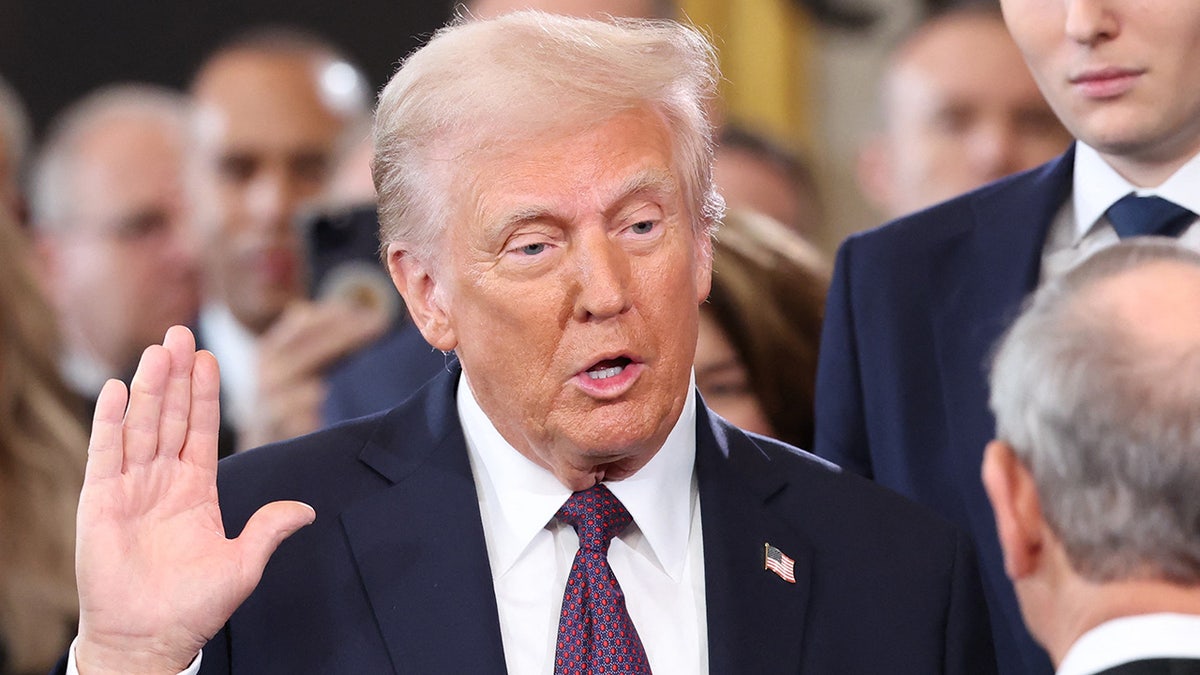
The Catholic Bishop of Sokoto Diocese, Matthew Hassan Kukah, has made a powerful statement about the state of leadership and morality in modern societies. In his remarks at the 60th birthday celebration of renowned journalist Reuben Abati in Lagos, Kukah described former U.S. President Donald Trump as “a symptom of the disease that is in our country.” He argued that Trump’s rise reflects deeper moral and leadership challenges that extend beyond the borders of the United States, touching on global issues, including those faced by Nigeria.
Kukah emphasized that the confusion surrounding figures like Trump is not just an American problem. “If all of us are confusing Trump, it’s a symptom,” he said. “Trump is a symptom of the disease that is in our country. It doesn’t matter who kills the snake, whether it is a man or a woman; what matters is that the snake is dead.”
He further urged Nigerians to shift their focus from individual leaders to the development of strong institutions and laws. According to Kukah, these structures are essential for ensuring that even the most capable leaders cannot abuse power. He pointed to Ghana as an example of a nation that has implemented effective mechanisms to maintain democratic integrity.
Learning from Ghana’s Political Framework
Ghana has introduced laws requiring by-elections within 42 days when lawmakers defect from their parties. Kukah highlighted this as a positive step toward strengthening democracy and accountability. “We keep saying we want good people to govern us, but what we really need are good laws to guide even the best among us,” he stated.
He also stressed that a nation cannot rely solely on good intentions. “A nation must be built on rules that protect the collective interest,” Kukah added. This perspective underscores the importance of legal frameworks in maintaining stability and preventing corruption.
Addressing Nigeria’s Political Challenges
Kukah reflected on Nigeria’s political landscape, citing the defection of a former Speaker of the House of Representatives as a prime example of how constitutional ambiguities can be exploited. He questioned what happens when the person meant to announce defections becomes the defector himself. This, he argued, highlights the need for stronger legal clarity and more robust institutional safeguards.
The bishop also spoke about the critical role of Nigeria’s judiciary in the country’s democratic progress. He praised the sacrifices of individuals who have worked to sustain the nation’s democracy while warning that moral decay and weak institutions continue to hinder national development.
A Nation Running on Half-Time
“We are running on half-time already,” Kukah remarked. “We have not yet realized our full potential. It is time for us to think more deeply about the values that shape our society and how we can strengthen them.”
He called on Nigerians to move beyond despair and cynicism. With moral clarity, institutional reform, and civic courage, Kukah believes the country can overcome its internal contradictions and achieve meaningful progress.
The Path Forward
Kukah’s message is clear: while individual leaders may come and go, it is the strength of institutions and the moral fabric of a society that determine the long-term success of a nation. He encouraged Nigerians to take responsibility for building a future rooted in justice, transparency, and accountability.
As the country continues to grapple with political and social challenges, Kukah’s words serve as a reminder that change begins with a commitment to principles that transcend personal ambitions.