
Shein, the fast-fashion giant, has found itself in a legal and public relations storm following reports of its platform being used to sell controversial items. The controversy began when French authorities discovered listings for “childlike” sex dolls on the site, sparking outrage among consumers and regulators alike.
The situation escalated quickly, with France’s government taking action against Shein. On Friday, it was announced that the Singapore-based company would not be banned during an ongoing investigation into the sale of illegal items. According to a statement from Paris, Shein had already removed all illegal products from its platform. However, the government emphasized that the legal proceedings against the company are still active and that it remains under close scrutiny by state authorities.
The government’s assessment confirmed that no illegal products such as child pornography, stabbing weapons, or certain restricted medicines were found on Shein’s platform. Despite this, the controversy surrounding the “childlike” sex dolls has continued to draw attention.
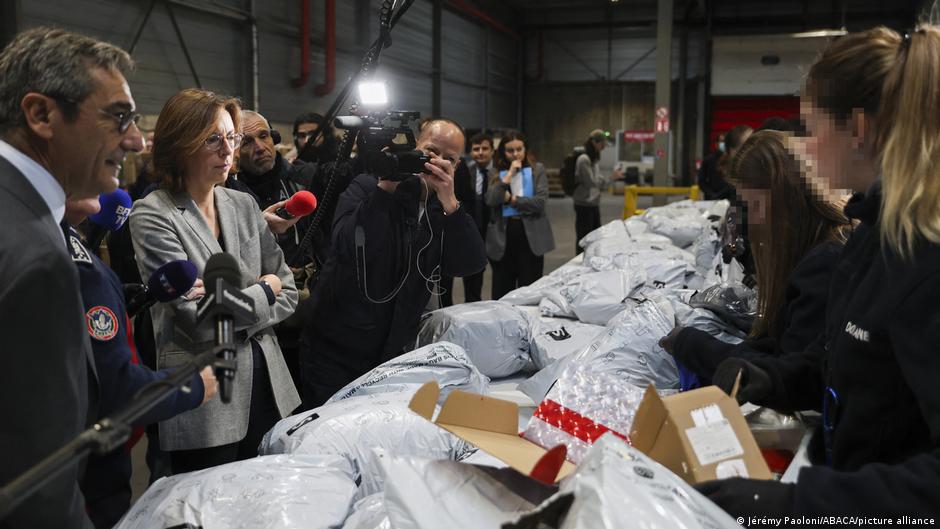
Shein, which was founded in Nanjing, China, in 2008, moved its headquarters to Singapore in 2022. The company has since expanded rapidly, becoming one of the most recognizable names in the fast-fashion industry. However, its recent troubles have raised questions about its compliance with international regulations.
The “childlike” sex doll controversy led to significant backlash in France. In response, Shein stated that it had taken disciplinary action against the seller responsible and banned the sale of sex dolls on its platform. Additionally, the company temporarily suspended all third-party listings as part of its efforts to address the issue.
France also urged the European Union to take action against Shein over the sale of these dolls. On Wednesday, the French government announced plans to ban Shein unless it adheres to existing regulations. This move came just days before Shein opened its first permanent physical store in Paris, located inside the iconic BHV Marais department store.
The opening of the store was met with resistance, as a petition against the store’s launch gathered over 120,000 signatures. This demonstrated the level of public concern over Shein’s business practices and its impact on consumer trust.
In addition to the controversy over the dolls, the European Union and national consumer authorities are investigating Shein’s marketing practices, alleging that they may violate EU consumer law. These investigations add another layer of complexity to the company’s current challenges.
Environmental groups have also criticized Shein for its reliance on fast-fashion models, which they argue contribute to waste and environmental degradation. As the company continues to expand globally, it faces increasing pressure to address these concerns and ensure that its operations align with ethical and legal standards.
As the legal and regulatory landscape continues to evolve, Shein will need to navigate these challenges carefully. The company’s ability to adapt and respond to criticism could determine its future in key markets like France and beyond.