
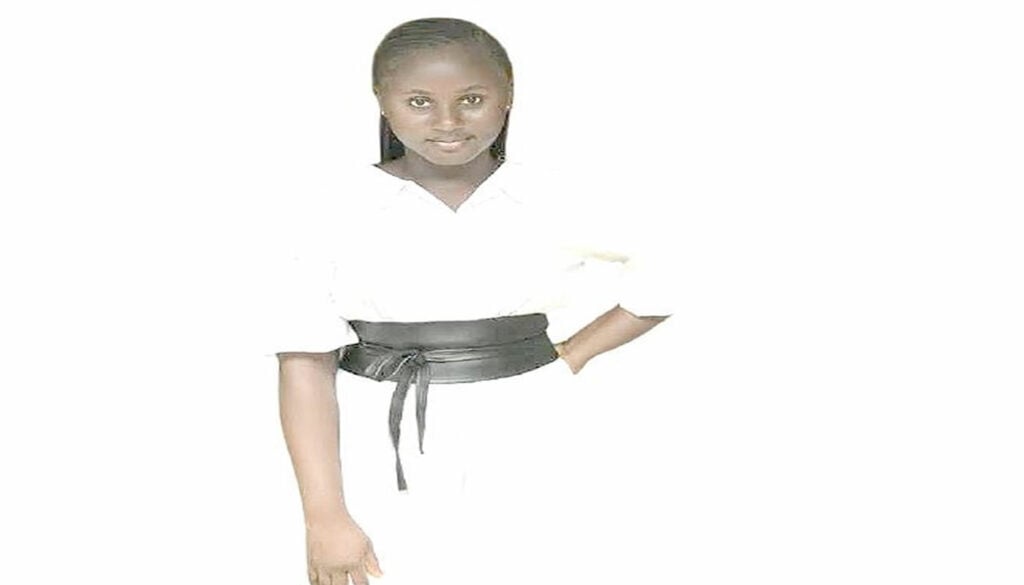
A 22-Year-Old’s Struggle with Kidney Disease
At just 22, Margaret Agbo is locked in a life-and-death battle after being diagnosed with kidney disease in 2024. She shares her harrowing journey of illness and the race against time to secure a lifesaving transplant.
The Beginning of the Illness
It all started last year, 2024. Margaret began feeling unusually tired. Other early signs included constant nausea, headaches, and relentless fatigue. While working as a receptionist at a hotel in Oshodi, Lagos State, she often visited the pharmacy, where they would prescribe paracetamol or Panadol Extra. The medication would ease the pain briefly, but the headache always returned almost immediately.
At that time, she had just written her UTME and was preparing to start school. However, the persistent symptoms prompted her to undergo medical tests and scans. It was then that she received the devastating news: she had kidney disease. The tests, conducted at a hospital in Ikeja, revealed that her kidneys were not functioning properly.
Emotional Impact and Initial Steps
When she learned about the ailment, Margaret felt very sad and depressed. After that, her mum, elder sister, and her friend scoured the internet for hospitals that specialize in treating kidney disease. That’s how they found a facility in Arowojobe, Oshodi, where she eventually began dialysis.
Before starting treatment there, she had been hospitalized, enduring the painful process of having a large needle inserted into her leg repeatedly until a catheter could finally be placed in her neck.
The Cost and Daily Challenges
Margaret receives dialysis twice a week, and it’s been over a year since she started. She can’t remember exactly how much she has spent on dialysis so far, but it should be up to N20m because she has had to undergo several tests costing between N110,000 and N150,000 each, in addition to very expensive drugs. Even the catheter that she uses for blood exchange costs over N300,000.
This illness has affected her entire family. Her father, who worked with a company, was forced to retire at 55. His entire pension, savings, and cooperative funds have been spent on her treatment. Her mum had to stop working completely to take care of her. Her siblings and friends have also spent everything they could.
She had to stop school and has been at home since last year. The illness makes her very weak. If she moves around too much, she finds it difficult to breathe. At night, when there’s too much water in her body, she can’t lie down to sleep because it goes to her chest. She has to sit or kneel to sleep. Her face and legs often get swollen.
Due to financial challenges, she and her mum travel from Ibafo in Ogun State to Oshodi by public transport for her dialysis sessions. After each session, she feels very weak, yet they still have to walk through Oshodi market to find a bus back home. It’s really stressful and heartbreaking.
Major Crises and Blackouts
Yes, she has had major crises since the ailment started. One night, while staying with her sister and mum in Oshodi, close to the hospital, she experienced a crisis. They were sitting outside because there was no electricity, and the heat was unbearable. When the power came back, they went inside to rest, but suddenly, she realized she couldn’t breathe. She tried to lie down, but her chest felt as if it was being crushed, and she couldn’t get any air through her nose or mouth. Panicking, she started shouting for help.
One of their neighbors, who had a motorcycle, rushed her to the hospital. On the way, she blacked out and has no memory of what happened next. Later, she was told she had been placed on oxygen because she couldn’t breathe, and she even tried to pull it off herself. That was her first blackout.
Since then, whenever she feels a crisis coming, her mum immediately rushes her to the hospital.
Signs of an Impending Crisis
Whenever a blackout is about to happen, it feels like she’s losing control. Her chest becomes unbearably tight, and she finds it difficult to breathe through her nose or mouth. She can’t sit or lie down comfortably. That’s when her mum knows it’s time to rush her to the hospital for dialysis.
Life Since the Diagnosis
Most of the time, she stays at home. Occasionally, people inform them about churches where they can go for prayers, so her mum and she try, but nothing changes. She prays a lot and attends dialysis sessions when scheduled. They have also tried herbal remedies and Chinese products, but they haven’t helped.
Her kidney disease is currently at stage two. Some of the hardest moments she has faced include enduring the piercing of her legs with large needles to draw blood. Another terrifying moment was during one of her crises when she couldn’t breathe. Her mum and she have also had to climb bridges on their way home from the hospital, even when she was extremely weak. The catheter in her chest has been infected; it constantly itches and bleeds. She has taken many antibiotics, but it hasn’t healed.
Financial Burden and Social Media Support
It has been extremely difficult for her and her family. Her dad was forced to retire early, and her mum cannot work because she stays home to care for her. Her siblings try to contribute, post her videos, and seek help from their friends. Sometimes, she reaches out to her u and classmates for assistance. That’s how they’ve been managing so far.
She hopes for a kidney transplant, which would mean everything to her and her family. If she receives the transplant, she will be able to return to school and live a normal life. Right now, she can’t even drink enough water when she eats because of her illness. With the transplant, she’ll be able to eat, drink, use the toilet normally, and live like everyone else.