
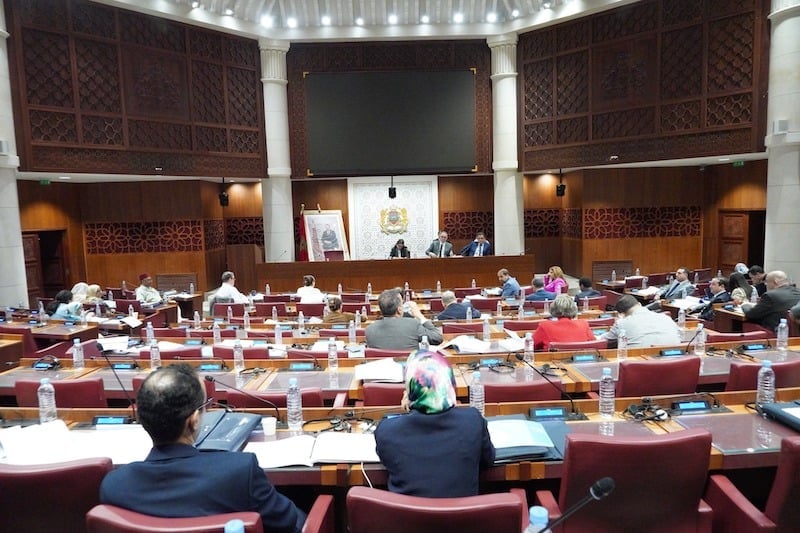
Morocco’s lower house of parliament recently broadcast its 2026 budget committee debates live for the first time since the onset of the COVID-19 pandemic. This unprecedented move allowed citizens to observe the discussions between ministers and lawmakers regarding spending plans and social priorities, marking a significant step toward greater transparency in the legislative process.
The decision was made under Article 128 of the House of Representatives’ internal rules, which permits the broadcasting of certain committee sessions. This action represents a rare deviation from Article 68 of the Moroccan Constitution, which typically designates committee work as confidential unless it involves urgent matters or public interest. The broadcast of these debates highlights a growing emphasis on openness and accountability within the country’s political framework.
The sessions revealed underlying tensions between the ruling and opposition blocs as Morocco approaches the final year of its current legislative term. Lawmakers raised concerns about tariff revisions outlined in the draft Finance Bill, particularly a proposal to lower import duties on pharmaceutical products while increasing them on other goods. This measure, still under evaluation by the Moroccan Agency for Medicines and Health Products, became a central topic of discussion during the debates, reflecting broader concerns about healthcare funding and import policies.
The Finance and Economic Development Committee is set to reconvene on Friday to review the budgets of constitutional institutions and consider amendments to the 2026 Finance Bill. This document outlines key priorities for social programs, subsidies, and investment incentives, signaling the government’s focus on economic development and public welfare.
Constitutional law scholar Abdelali Benlias noted that the decision aligns with parliamentary rules and court interpretations that permit transparency in cases of public interest. “This reflects an institutional shift toward transparency within the boundaries set by the Constitution,” he said.
Political scientist Rachid Lazraq emphasized the importance of this move in strengthening public oversight. “Broadcasting these hearings brings fiscal debates into the open, helping to reconnect Parliament with citizens and demonstrating how policy decisions are negotiated in real time,” he added.
The live broadcast of the budget committee debates marks a pivotal moment in Morocco’s political landscape, showcasing a commitment to transparency and public engagement. As the country continues to navigate its legislative agenda, this initiative sets a precedent for future parliamentary proceedings, potentially influencing how public discourse and policy-making evolve in the years to come.