
The Impact of Zimbabwe’s Tax Regime on the Formal Economy
Zimbabwe’s tax regime is increasingly pushing the economy into informality, with businesses and consumers turning away from banking systems in favor of cash transactions. This trend has been highlighted by business leaders who have submitted direct warnings to Finance Minister Mthuli Ncube, expressing concerns about the ongoing impact of the 2% Intermediated Money Transfer Tax (IMTT) on the country’s economic stability.
The pressure from industry stakeholders is set to culminate in a direct confrontation with Ncube, who has remained firm in his stance against calls to abolish the IMTT. Despite growing demands from various sectors, including the ruling Zanu PF party, the minister continues to defend the tax as a critical source of revenue for the government.
During a pre-budget engagement with MPs, Ncube reiterated that the IMTT is essential for maintaining financial stability. However, this position has been met with strong opposition from industry representatives, who argue that the tax is undermining efforts to create a cashless society and is harming formal business operations.
Industry Concerns Over the IMTT
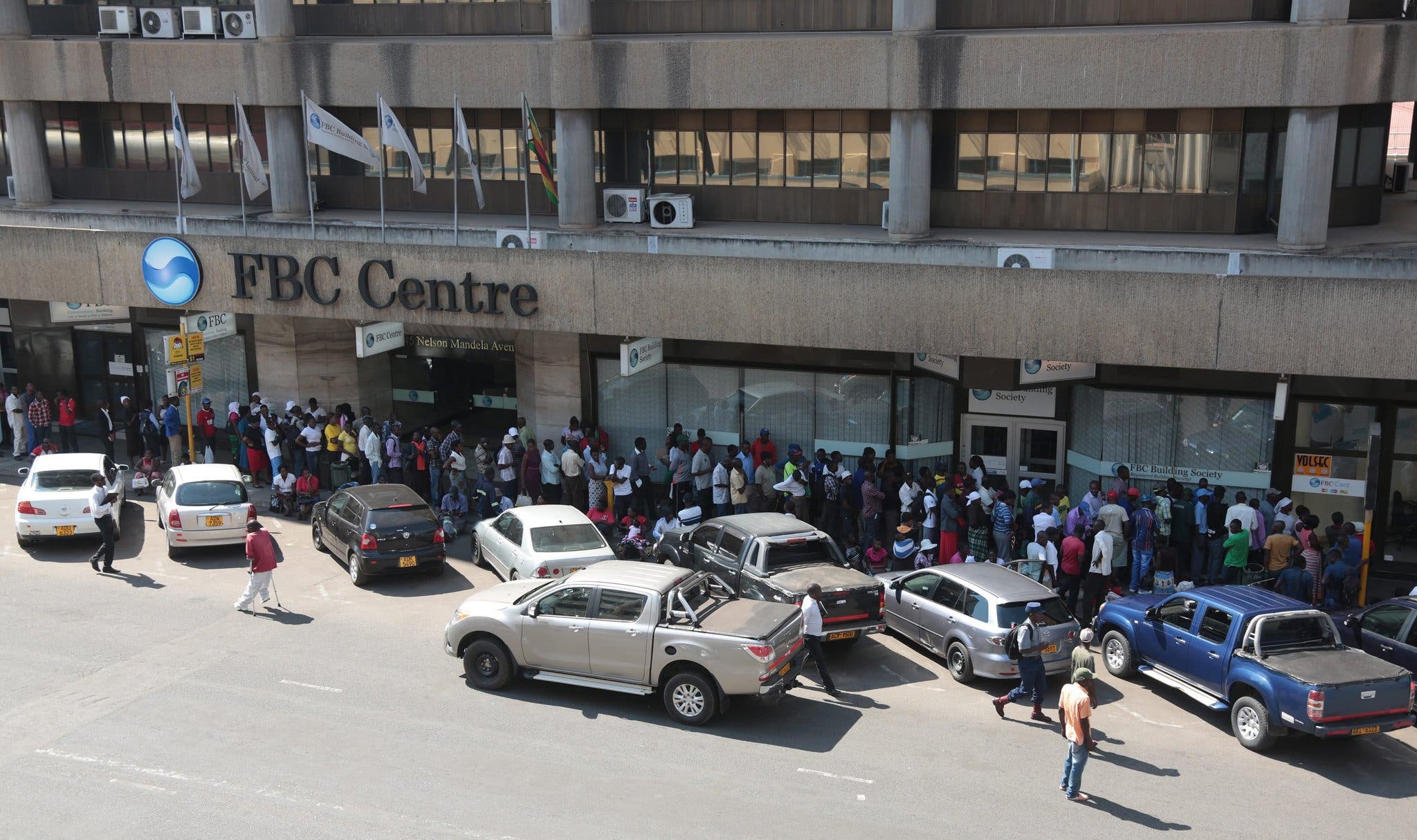
Business leaders across different sectors, including banks, retailers, and tourism, have voiced their concerns about the IMTT, describing it as one of the most significant threats to formal business and financial stability. They claim that the tax is driving substantial amounts of money out of the banking system, with estimates suggesting that up to $2.5 billion may be circulating outside banks in a country where informal businesses contribute significantly to GDP.
The Reserve Bank of Zimbabwe reported a lower figure of around $500 million in 2021, but industry leaders maintain that the actual impact is far greater. They argue that the IMTT, introduced in 2018 as a revenue-raising measure, has outlived its purpose and is now hindering the government’s push for a cashless economy.
- The Zimbabwe National Chamber of Commerce (ZNCC) has criticized the 2% rate, stating that it increases costs, distorts supply chains, and encourages the use of cash.
- The ZNCC also highlighted the challenges faced by businesses in Zimbabwe, including navigating over 30 licenses in some sectors, power shortages, and limited access to credit.
- The Bankers Association of Zimbabwe (BAZ) has called for a significant reduction or removal of the IMTT, arguing that it erodes confidence in the formal financial system.
Economic Consequences of Informal Transactions
High taxes, coupled with complex compliance requirements, have led to a shift toward a cash economy, where transactions are difficult for banks to track. Business leaders warn that this trend is exacerbating an already high-cost environment, making Zimbabwean products less competitive in the region.
- The ZNCC cited porous borders and corruption at customs posts, which it claims drain over $1 billion annually, allowing a flood of cheap, untaxed imports.
- The Confederation of Zimbabwe Retailers (CZR) emphasized that the IMTT has created a cash-only economy, discouraging formal financial activity and pushing economic agents toward cash-based transactions.
- CZR proposed a simplified registration and payment system to help micro and small retailers operate more efficiently.
Calls for Tax Reform
Retailers and other industry groups have urged the government to rationalize the IMTT and replace it with a lower and more progressive tax structure. They argue that this would broaden the tax base rather than shrink it, helping to reduce the informal economy.
- The Tourism Business Council of Zimbabwe (TBCZ) supported these calls for reform, warning that current tax thresholds are worsening the cost-of-living crisis.
- TBCZ proposed raising the income tax-free threshold from $100 to $350 per month, arguing that this would improve purchasing power and encourage formal employment.
- The council also recommended simplifying tax bands and capping the top marginal income-tax rate at 30% to remain competitive in the region.
Structural Challenges in the Tax System
Economists have pointed out that the tax system, initially designed to address revenue leakages, has become a disincentive to formalization. One analyst described the IMTT as a “blunt instrument” that is now punishing production and eroding trust in banks.
- Every additional cost is pushing companies and households back to cash, further entrenching the informal economy.
- As Ncube prepares his 2026 National Budget, pressure is mounting for a comprehensive overhaul of the tax system, with a focus on productivity rather than punishment.
Political and Economic Implications
Despite the growing pressure, Ncube has maintained that the IMTT accounts for about 8% of Zimbabwe’s total tax collections by the end of 2024. His position conflicts with a recent resolution from Zanu PF’s annual conference in Mutare, where delegates pushed for the immediate removal of the levy.
This political tension places Ncube in a difficult position, as he balances the need for revenue with the demands of the business community. If the government ignores the calls for reform, businesses warn that the exodus from banks could accelerate, potentially taking the formal economy with it.