
Kenya’s Debt Conversion Strategy and Its Implications
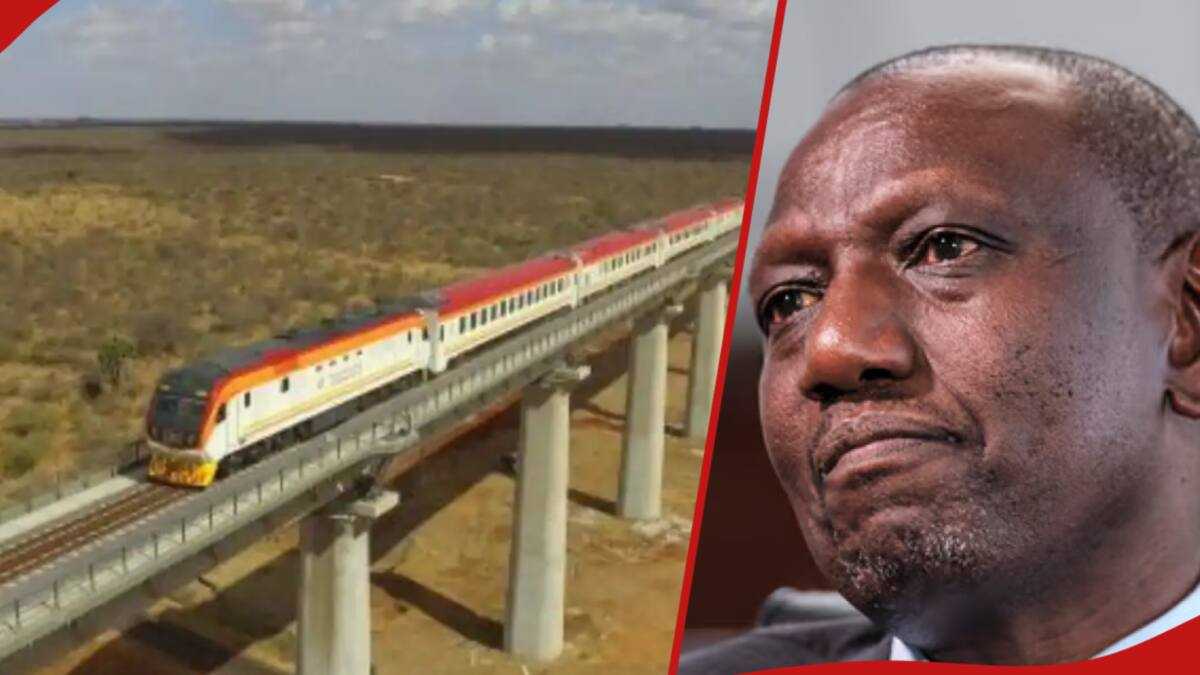
Kenya has taken a significant step in managing its foreign debt by converting several dollar-denominated loans from China into yuan. This move is part of a broader strategy to reduce the country’s financial burden and improve its economic stability. The decision to convert these loans was influenced by external pressures from Western lenders, including the World Bank and the International Monetary Fund (IMF), who raised concerns about how Kenya was utilizing their funds.

The conversion of three major loans from the China Export-Import Bank (Exim) into yuan has resulted in substantial savings for Kenya. According to the Treasury, this shift is expected to save the nation approximately $215 million (KSh 27.8 billion) annually in interest payments. The switch allows the country to benefit from lower interest rates associated with the yuan-based loans, which are significantly more favorable than the previous dollar-based rates.
Why Did the IMF Push for the Yuan Conversion?
The pressure from multilateral lenders like the IMF and the World Bank played a crucial role in Kenya’s decision to restructure its debt. President William Ruto’s economic adviser, David Ndii, highlighted that these institutions were concerned about the use of their funds. They questioned why they should support Kenya when other lenders, such as China, were receiving the money instead.
Ndii explained that the Western lenders wanted to ensure that the funds they invested remained within Kenya to support local infrastructure and budgetary needs rather than being used to pay off other creditors. This concern led to a push for debt restructuring, resulting in the conversion of loans from dollars to yuan.
The Scale of Kenya’s Borrowing from China
The Standard Gauge Railway (SGR) project, which connects Mombasa to Naivasha, required significant financial investment from China. Kenya borrowed a total of $5.08 billion (KSh 656.54 billion) from the China Exim Bank to construct the railway in two phases.
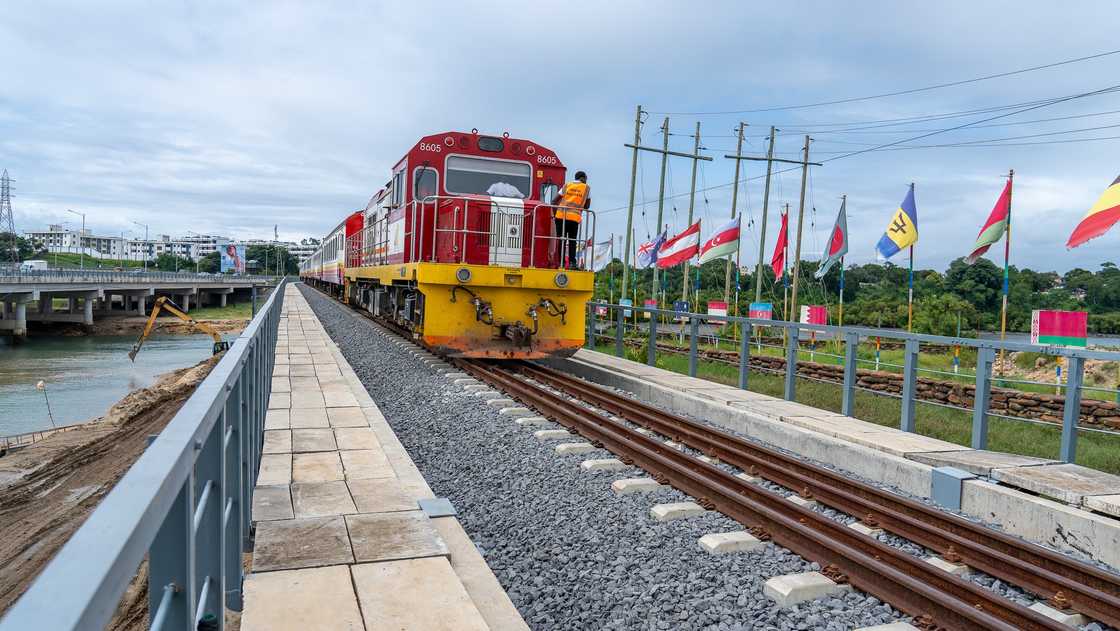
The first phase of the project, which connected Mombasa to Nairobi, involved two facilities totaling $1.6 billion (KSh 206.78 billion) and $2 billion (KSh 258.94 billion). The second phase, linking Nairobi to Naivasha, cost $1.48 billion (KSh 191.63 billion).
These loans came with floating interest rates, which were reportedly set at 3.6% or 3% higher than the average London Interbank Offered Rate (Libor). Although Libor was terminated in June 2023 and replaced by alternative reference rates like SOFR, the interest costs on the dollar-denominated loans have remained high, exceeding 6% in US dollars.
Kenya’s Budget for Chinese Loans
Every six months, Kenya makes interest payments on its SGR loans. For the current fiscal year, which ends in June 2026, the Treasury has allocated KSh 129.90 billion for the repayment of loans secured from China. This amount includes KSh 95.64 billion in principal and KSh 34.26 billion in interest.
The SGR debt accounts for a significant portion of these repayments, highlighting the ongoing financial commitment Kenya has made to its Chinese partners. The conversion of these loans into yuan is seen as a strategic move to ease the burden of these repayments and ensure long-term financial sustainability.
Conclusion
Kenya’s decision to convert its dollar-denominated loans into yuan reflects a complex interplay of domestic and international financial strategies. While the move offers immediate savings, it also underscores the challenges Kenya faces in managing its growing debt portfolio. As the country continues to navigate its economic landscape, the implications of this debt conversion will be closely watched by both domestic stakeholders and international observers.