
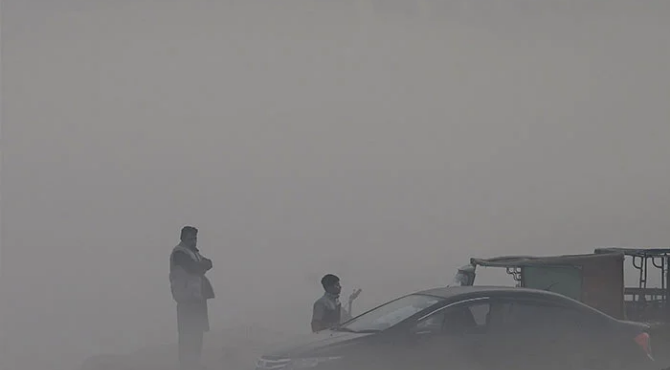
Air Quality Improves in Lahore, but Punjab Faces Ongoing Pollution Crisis
The air quality in Lahore showed some signs of improvement on Wednesday, with the city’s Air Quality Index (AQI) dropping to 163, according to recent monitoring data. This marked a welcome change from previous days when the city was enveloped in thick smog. However, despite this positive development, the situation remains critical in several other cities across Punjab.
Data from an international environmental website highlighted that the AQI in Bahawalpur reached an alarming level of 600, while Multan and Lodhran recorded AQI levels of 433 and 418, respectively. These numbers far exceed the safe limits set by health authorities, indicating severe air pollution that poses significant risks to public health.
Health experts have issued urgent warnings to residents, particularly children and the elderly, urging them to wear protective masks and avoid prolonged outdoor activities. The advice comes as concerns grow over the long-term effects of exposure to toxic air, which can lead to respiratory issues, cardiovascular problems, and other serious health conditions.
Last year, Punjab experienced a similar smog crisis at the start of winter, with authorities struggling to manage the deteriorating air quality. The province saw record-high pollution levels, raising alarms among health professionals and prompting calls for immediate action. At the height of the crisis, Lahore was shrouded in smog—a hazardous mix of fog and pollutants caused by factors such as vehicular emissions, industrial smoke, and crop burning.
At one point, the city’s air pollution levels were reported to be more than 80 times higher than the World Health Organization (WHO) safety standards. This extreme pollution led to widespread health concerns and disrupted daily life for residents.
In response to the crisis, the provincial government implemented emergency measures to protect citizens. These included the closure of schools, restrictions on the operating hours of markets, eateries, and other businesses, and efforts to reduce traffic congestion. The goal was to minimize the health impacts of the toxic air and provide temporary relief to the population.
Despite these efforts, the problem persists, and many residents continue to face challenges related to poor air quality. The situation underscores the need for long-term solutions to address the root causes of pollution, including stricter regulations on industrial emissions, better waste management practices, and increased public awareness about the dangers of air pollution.
Key Polluted Cities in Punjab
- Bahawalpur: AQI of 600, far above safe limits.
- Multan: AQI of 433, indicating severe air pollution.
- Lodhran: AQI of 418, still well beyond acceptable levels.
Measures Taken to Combat Pollution
- School closuresto protect children from harmful air.
- Restricted operating hoursfor businesses and public spaces.
- Encouragement of mask-wearingamong vulnerable populations.
- Public awareness campaignsto educate citizens on reducing exposure.
Long-Term Solutions Needed
While emergency measures can provide temporary relief, they are not enough to tackle the underlying causes of air pollution. Experts recommend:
- Implementing stricter environmental regulations for industries and vehicles.
- Promoting cleaner energy sources and sustainable agricultural practices.
- Enhancing public transportation systems to reduce reliance on private vehicles.
- Increasing investment in air quality monitoring and early warning systems.