
A Historic Moment for the Maasai People
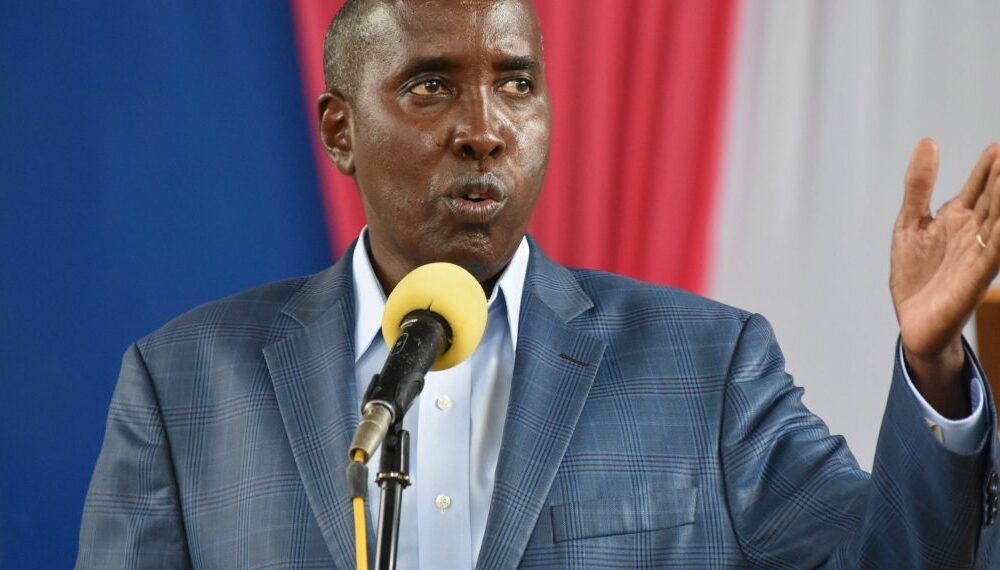
Tears welled in Kajiado Governor Joseph Ole Lenku’s eyes as he relived decades of pain, loss, and endurance. This was the untold story behind Amboseli National Park’s long-awaited return to the Maasai people.
“You know, I broke down when President William Ruto pronounced himself that this is a historical injustice against the Maasai,” Lenku said, his voice heavy with emotion during the third edition of the Maa Cultural and Tourism Festival, in Amboseli, Kajiado County.
Looking back, Governor Lenku recalls that August 2023 marked a moment of reckoning, the culmination of more than a century of struggle over land, identity, and justice. This year’s festival, held at Amboseli National Park, was not just a celebration of culture; it marked a turning point in Kenya’s conservation history.
It was the first festival since the park’s handover to the people of Kajiado, the rightful custodians of the land. “We are calling this a double celebration because we are celebrating the return of Amboseli,” Governor Lenku declared.
A Landmark Transfer
In a historic development that marks a turning point in Kenya’s indigenous communities’ conservation journey, the National Government has formally handed over the management of Amboseli National Park to the people of Kajiado, through their County Government. The long-awaited transfer settles decades of debate over the stewardship of one of Kenya’s most treasured and iconic conservation areas.
The move was officially formalized under Kenya Gazette Notice No. 15230, published in Vol. CXXVII, No. 219 on 24 October 2025. The festival, a vibrant week-long gathering from November 4th to 9th, brought together Maasai and Samburu communities from across Kenya to honor their heritage, set against the majestic backdrop of Mount Kilimanjaro.
Governor Patrick Ole Ntutu of Narok County joined in the celebration, acknowledging the significance of what had transpired. “Returning the Amboseli National Reserve to Ole Kajiado County Government is a big thing,” he said.
“In terms of human-wildlife conflict, when you look around, you see the Maasai grazing their livestock, it comes with a cost, people die, people lose their lives and their livestock because of this wildlife. So it is expensive to have wildlife in your land.”
“Narok, we have done it, Samburu, we have done it, why not Kajiado?” he concluded while referring to the management of the park.
A Journey of Struggle and Triumph
Amboseli’s journey is a story written through shifting land policies and generations of negotiation. Originally part of the Southern Game Reserve in 1906, it was gazetted as a National Park in 1973, a move that cut them off from their ancestral lands.
Over the decades, Amboseli has evolved into one of Kenya’s most iconic wildlife sanctuaries, renowned for its vast herds of elephants, sweeping open plains, and unparalleled views of Africa’s tallest mountain. Yet, beneath the postcard beauty lay deep-seated tensions by the Maasai who bore the brunt of living alongside wildlife without reaping the benefits.
That injustice was finally corrected in October 2025, when Amboseli officially returned to local hands. The Deed of Transfer, signed on October 14, 2025, formally handed over management of the park from the National Government to the County Government of Kajiado.
Under the agreement, park revenues that are estimated to be over Ksh 1.5 billion will be shared between the two levels of government during a three-year transition period, with Kajiado County taking 50 percent in 2026/2027, 70 percent in 2027/2028, and full control by 2028/2029.
The Significance of the Handover
This transfer represents more than just a shift in administrative control. It symbolizes a recognition of the Maasai people’s deep connection to the land and their role as stewards of the environment. The return of Amboseli to the Maasai is a step toward rectifying historical injustices and ensuring that the benefits of conservation are shared equitably.
For the Maasai, this is a moment of pride and hope. It signifies a new chapter in their relationship with the land and wildlife, one that balances cultural preservation with sustainable development. The festival served as a reminder of the resilience and strength of the Maasai community, who have fought tirelessly for their rights.
As the park moves forward under local management, there is optimism about the future. With the right strategies and collaboration, Amboseli can continue to thrive as both a natural treasure and a source of livelihood for the people who call it home.