
Nigeria’s Malnutrition Crisis: A National Tragedy with Global Implications
Nigeria is facing a severe and growing crisis of child malnutrition, which has been described as a “silent crisis” and a “national tragedy.” According to Vice President Kashim Shettima, the country loses an estimated $56 billion annually in human capital due to this issue. The problem is so dire that Médecins Sans Frontières (MSF), a global medical charity, treats more malnourished children in Nigeria than in any other country worldwide.
In 2024 alone, MSF admitted nearly 300,000 children suffering from Severe Acute Malnutrition (SAM) into its outpatient units across northern Nigeria. This number accounts for over half of all MSF admissions globally, highlighting the scale of the challenge. Ahmed Aldikhari, MSF’s country representative, attributed the crisis to Nigeria’s large population and persistent hunger gaps, particularly in the northern Sahelian regions.
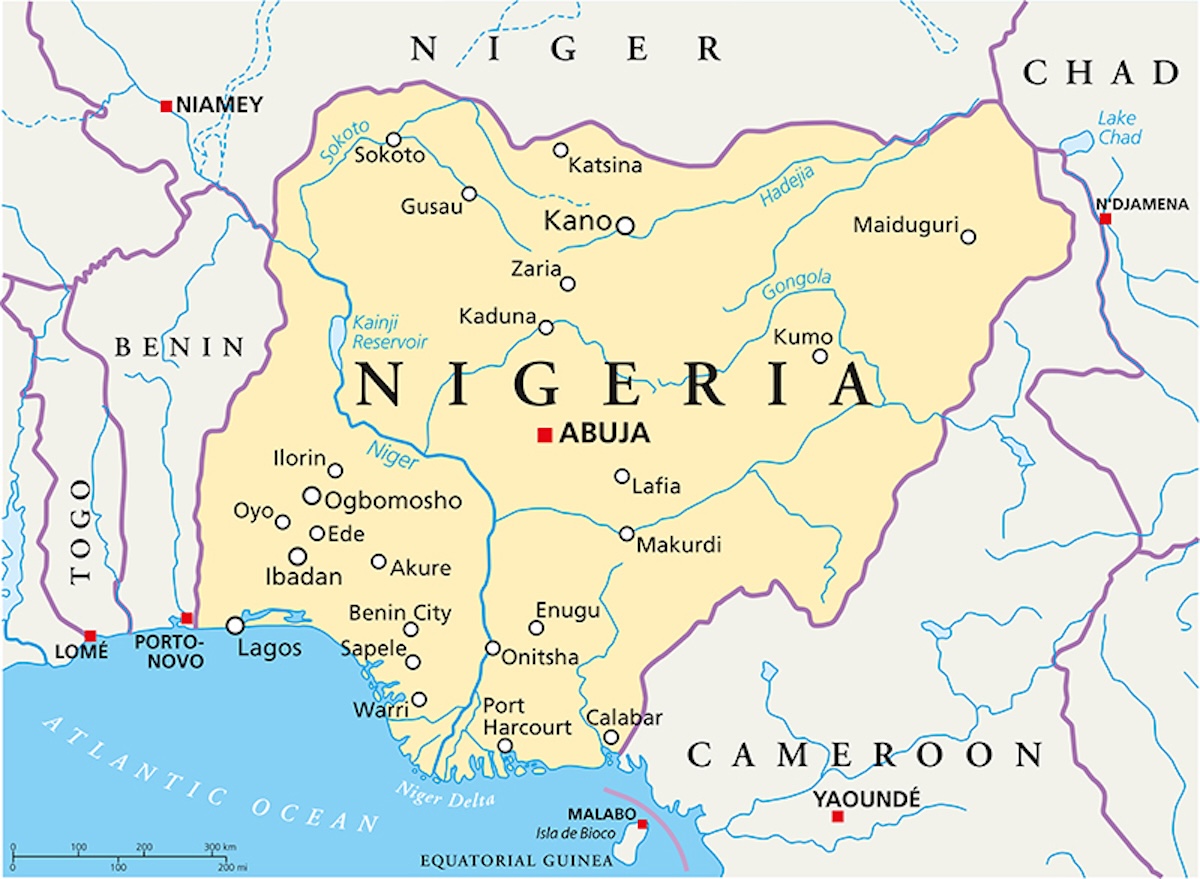
The High-Level Conference on Mobilising Against Malnutrition, held in Katsina and North-West, brought together key stakeholders to address the issue. The event was organized by the Katsina State Government and MSF, with high-level participation from government officials, international representatives, and health experts.
Vice President Shettima, represented by his Senior Special Adviser on Public Health, Uju Rochas-Anwukah, emphasized the urgency of the situation. He described child malnutrition as a national tragedy that threatens the future of the country. “Every dollar invested in nutrition yields a return of twenty-three dollars. Nutrition is not a cost; it is the most strategic investment in our nation’s future,” he said.
Shettima also reaffirmed the federal government’s commitment to the Nutrition 774 Initiative, which aims to decentralize intervention programs to ensure broader impact. He urged leaders to translate the conference’s discussions into tangible actions, stressing that delays could have devastating consequences for vulnerable communities.
Katsina State Takes Proactive Steps
Governor Dikko Radda of Katsina State highlighted the state’s efforts to move from awareness to action in combating malnutrition. He announced that the state government has invested over N14 billion in the health sector in 2024, achieving an impressive 87% budget performance.
Radda outlined several specific interventions, including:
- A N1 billion contribution to the Child Nutrition Fund in partnership with UNICEF between 2023 and 2025.
- The upgrade of 260 Primary Healthcare Centres (PHCs) and seven general hospitals.
- The employment of over 1,600 frontline health workers.
- The enrolment of 504,000 residents, including vulnerable households, under the state’s health insurance scheme.
In addition to these measures, the governor revealed plans for sustainable local solutions, including the establishment of factories to produce Ready-to-Use Therapeutic Food (RUTF) and Tom-Brown, a nutrient-rich flour. “To ensure sustainable solutions, we are setting up local production of Tom-Brown and RUTF to stimulate our economy and create jobs for our youth,” he said.
Radda also mentioned the consideration of approving a six-month maternity leave for nursing mothers and ensuring the full implementation of the Child Protection Law to address social factors contributing to malnutrition.
International Support and Collaboration
The conference attracted high-level participation from the diplomatic corps, including the German Ambassador, Annette Günther; the European Union Ambassador, Gauthier Mignot; and the United Nations Resident Coordinator, Mohammed Fall. Their presence underscored the global concern about Nigeria’s malnutrition crisis and the need for collaborative efforts to address it.
As the conversation continues, the focus remains on transforming commitments into actionable policies that can make a real difference in the lives of millions of children and families affected by malnutrition. The lessons learned from Katsina State and the initiatives being implemented there could serve as a model for other regions facing similar challenges.