
Introduction to the Milestone
Sasol, a leading South African petrochemical company, has taken a significant step forward in the Mozambican energy sector. On Tuesday, the company successfully conducted the experimental loading of the first batch of Liquefied Petroleum Gas (LPG), commonly referred to as cooking gas, produced in the southern Mozambican province of Inhambane.
This achievement is being celebrated as a historic milestone that highlights Sasol’s role as a pioneer in the Mozambican oil and gas industry. It also underscores the company’s commitment to contributing to the country’s development.
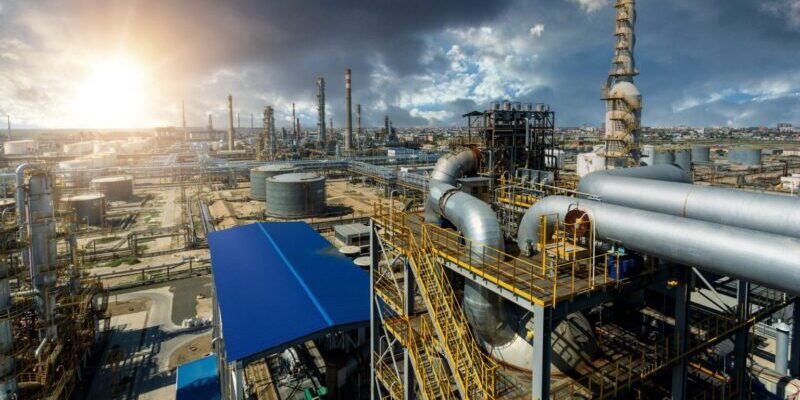
The Integrated Processing Facility (IPF)
The cooking gas will be processed at the new Integrated Processing Facility (IPF) of the Production Sharing Agreement (PSA), located in the Inhambane district of Inhassoro. This facility is set to supply the domestic market with this essential product.
According to a statement from the company, the successful completion of this first LPG loading operation marks a major step in the commissioning process of the new infrastructure. Preparations for its official inauguration are now at an advanced stage.
Capacity and Impact on the Market
The IPF is considered one of the most modern facilities of its kind in Africa. It has the capacity to produce up to 30,000 tonnes of LPG per year. This production is expected to reduce imports of this product by around 70%, ensuring a more stable and predictable supply to the local market.
Ovídio Rodolfo, the Sasol Managing Director in Mozambique, emphasized the significance of this achievement. He stated that “this first loading of cooking gas represents the realisation of yet another step towards monetising natural gas within the country, creating greater value for the domestic market.”
Production Process and Additional Benefits
The LPG is produced from natural gas extracted from the Inhassoro and Govuro reservoirs through an industrial process of separation and treatment. According to Sasol, this process yields a clean, safe, and efficient fuel.
In addition to LPG, the PSA Project, operated by Sasol Petroleum Mozambique, includes the production of around 4,000 barrels per day of light oil and 23 petajoules of natural gas. This natural gas is destined to generate 450 megawatts of electricity at the Temane Thermal Power Plant (CTT).
Strengthening Energy Security
With this development, Mozambique joins the group of African countries that process their own hydrocarbons locally. This move strengthens energy security and promotes sustainable economic growth.
Sasol, in partnership with the Mozambican Government and the National Hydrocarbons Company (ENH), claims that it is reaffirming its long-term commitment to industrial growth, local value creation, and the continued development of the national energy sector.
Conclusion
The successful loading of the first batch of LPG marks a significant milestone for Sasol and the Mozambican energy sector. This project not only enhances the country’s energy security but also contributes to its economic growth. As the IPF moves closer to its official inauguration, it is clear that this initiative will have a lasting impact on the local market and beyond.