
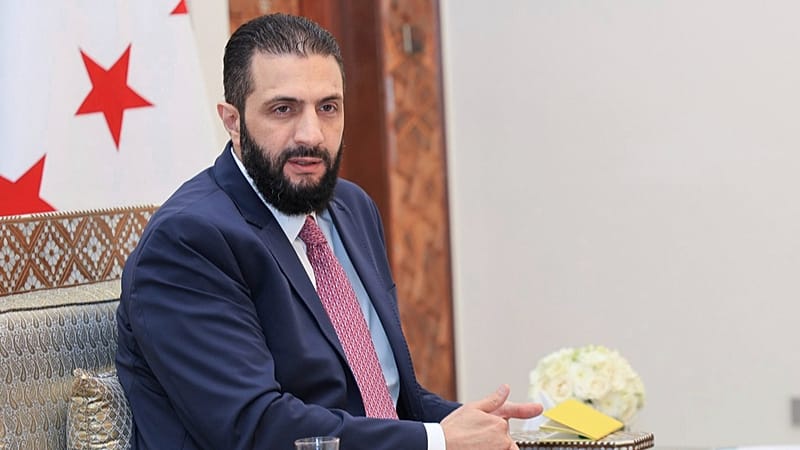
Historic Shift in Syria’s International Standing
The United Nations Security Council made a significant decision on Thursday, voting to lift sanctions against Syria’s interim President Ahmad al-Sharaa and several government members. This move came just days before al-Sharaa’s historic visit to the White House, marking the first time a Syrian president has set foot in Washington since 1946. The resolution, which removed UN sanctions linked to al-Sharaa and Interior Minister Anas Hasan Khattab, was approved by 14 council members, with China choosing to abstain.
US Ambassador to the UN Mike Waltz emphasized that the decision sends a strong political message, acknowledging the new era in Syria following the ousting of former leader Bashar al-Assad and his associates in December 2024. “The Council is sending a strong political signal that recognises Syria is in a new era since (ousted ruler Bashar) al-Assad and his associates were toppled in December 2024,” he stated.
Chinese Ambassador to the UN Fu Cong expressed support for the Syrian people but noted that the Washington-led proposal did not fully address “the legitimate concerns of all parties” regarding counterterrorism and security in Syria. Despite this, the resolution passed, reflecting a shift in international perception of Syria’s current leadership.
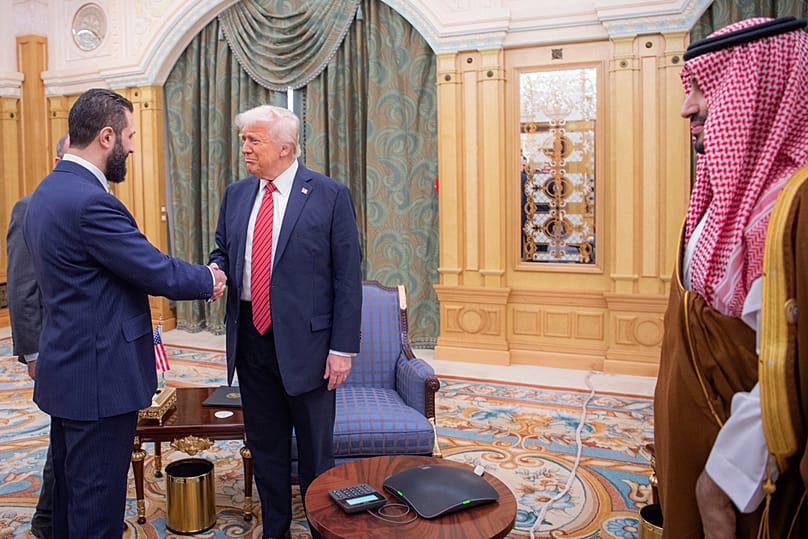
The timing of the vote was strategic, as US officials pushed to pass the largely symbolic motion before Monday, when President Donald Trump is scheduled to host al-Sharaa in the White House. This visit is expected to be a major diplomatic milestone, highlighting the growing engagement between the US and Syria under al-Sharaa’s leadership.
The sanctions relief aligns with the Trump administration’s commitments made during a May meeting with al-Sharaa in Riyadh, where the US leader promised to lift or waive decades-old sanctions against Syria. This decision underscores a broader effort to reengage with Syria after years of isolation.
Syria’s foreign ministry welcomed the nearly unanimous vote, stating it “reflects the growing confidence in President al-Sharaa’s leadership” and “represents a victory for Syrian diplomacy, which has succeeded in restoring international recognition of Syria’s status and its pivotal role in the region.”
During al-Sharaa’s Washington visit, Syria is expected to join the US-led anti-IS coalition, which involves around 80 countries working to prevent the resurgence of the jihadist group. This move is part of Trump’s strategy to rebuild relations with Syria following the end of the al-Assad family’s 50-year rule, which concluded with a swift offensive led by al-Sharaa and the conclusion of nearly 14 years of civil war.
Key Developments and Implications
-
Diplomatic Reengagement: Al-Sharaa has been actively seeking to restore ties with Arab nations and the West. However, officials remain cautious due to his past connections with al-Qaida. The US previously designated his former rebel group, Hayat Tahrir al-Sham, as a terrorist organization.
-
Ongoing Sanctions: While some sanctions have been lifted, others remain in place, particularly those imposed by Congress under the 2019 Caesar Syria Civilian Protection Act. These require congressional approval for permanent removal.
-
Bipartisan Support: The Senate Foreign Relations Committee’s top Democrat and Republican welcomed the UN action in a bipartisan statement, urging Congress to act to “bring the Syrian economy into the 21st century.”
This development marks a turning point in Syria’s international relations, signaling a potential shift in global attitudes toward the country and its leadership. As al-Sharaa prepares for his high-profile visit to Washington, the focus will likely remain on how this diplomatic engagement translates into tangible progress for Syria’s recovery and regional stability.