
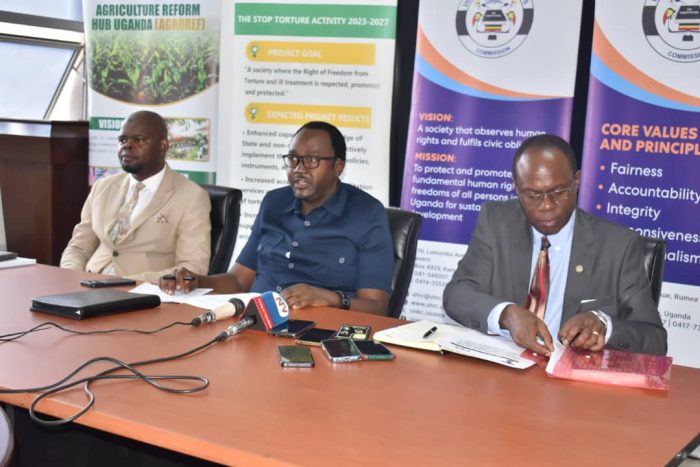
Overview of the UHRC Tribunal Ruling
The Uganda Human Rights Commission (UHRC) Tribunal, led by Chairperson Mariam Wangadya, recently made a significant decision in a long-standing case involving allegations of torture. The case centered around Peter Andevu, a 63-year-old man who claimed he was tortured while detained at the Nalufenya Police facility in 2005. However, the Tribunal ruled that Andevu did not provide sufficient evidence to support his claims and ordered him to cover the government’s legal costs.
The hearing took place at the UHRC’s Jinja Regional Office and addressed nine alleged human rights violations. These included infringements on the right to life, personal liberty, and freedom from torture. Out of these, three cases were dismissed due to a lack of evidence, while two complainants received compensation after their violations were proven.
Addressing Concerns About Medical Reports
Following the ruling, UHRC Chairperson Mariam Wangadya raised concerns about the integrity of medical examination reports used in torture cases. She warned medical practitioners against forging such documents to support false claims, emphasizing that this practice wastes public resources and delays justice.
“We have observed a worrying trend of some medics forging torture reports to back false claims. This not only undermines genuine victims but also causes case backlogs and financial loss to the Commission and the government,” Wangadya stated.
Despite the Tribunal’s decision, Andevu continued to maintain his allegations. He claimed he was tortured and defrauded of Shs400,000 following an aggravated robbery incident at Dr Amoko’s residence in Njeru in October 2005. However, the Tribunal found his submitted medical reports to be forged.
Compensation for Proven Violations
In the same sitting, the Tribunal awarded compensation to two individuals whose cases were proven. Yusuf Bakaki received Shs10 million after being maliciously detained for 15 days at Mayuge Central Police Station. Paul Rwecungura was awarded Shs8.1 million after proving he was tortured while detained at Buwenge Police Station in 2013.
These rulings highlight the importance of evidence in human rights cases and the need for accountability. The ongoing Tribunal sessions in Jinja are part of the UHRC’s broader initiative to bring justice closer to communities and ensure that human rights violations are addressed effectively.
The Role of the UHRC in Upholding Justice
The UHRC plays a critical role in addressing human rights issues in Uganda. By conducting hearings in regional offices, the Commission aims to make its processes more accessible to the public. This approach not only ensures greater transparency but also helps to build trust between the Commission and the communities it serves.
The Tribunal’s focus on verifying the authenticity of evidence is essential in maintaining the credibility of its decisions. By discouraging fraudulent claims, the UHRC aims to protect public resources and ensure that genuine victims receive the justice they deserve.
Conclusion
The recent rulings by the UHRC Tribunal underscore the challenges faced in addressing human rights violations. While the Commission continues to work towards justice and accountability, it must also remain vigilant against practices that undermine its mission. As the Tribunal moves forward, its commitment to fairness, transparency, and the rule of law will be crucial in upholding the rights of all Ugandans.