
Escalating Tensions: Israeli Strikes Target Hezbollah in Southern Lebanon
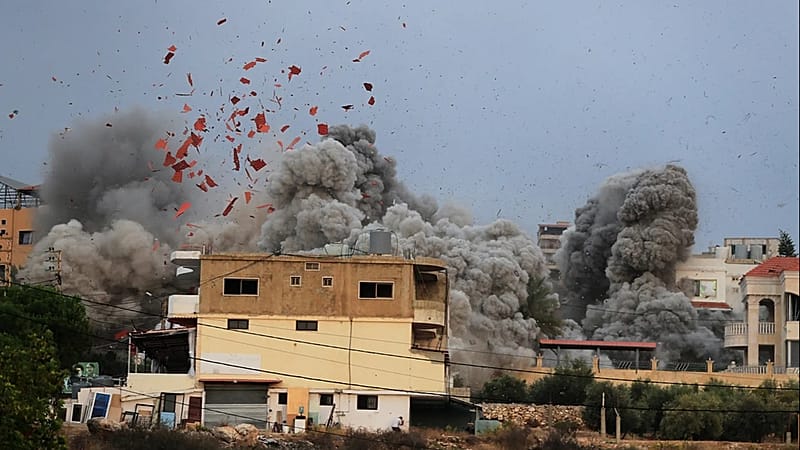
The Israeli military launched a series of strikes on several towns in southern Lebanon on Thursday, intensifying the ongoing conflict between Israel and the militant group Hezbollah. This attack occurred just hours after Hezbollah urged the Lebanese government to avoid entering negotiations with Israel regarding the group’s disarmament.
According to an Arabic spokesperson for the Israeli army, Avichay Adraee, residents of coastal towns and areas near the Lebanon-Israel border were warned to stay away from residential buildings that were being targeted. These buildings, he claimed, were being used by Hezbollah. The Israeli military stated that it focused its attacks on military infrastructure associated with Hezbollah, including weapons storage facilities located in the center of civilian-populated areas.
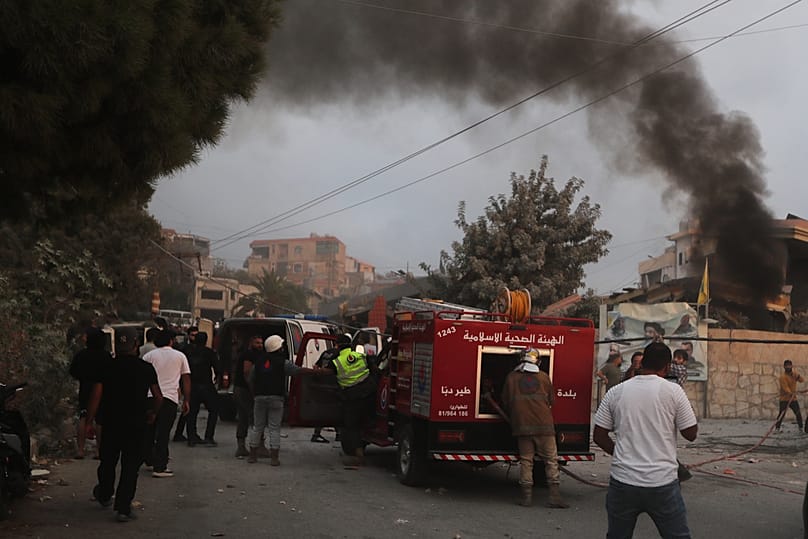
The military accused Hezbollah of rebuilding its capabilities nearly a year after a US-brokered ceasefire ended two months of intense fighting. While most residents evacuated the affected areas before the strikes, the Lebanese health ministry reported one person injured.
Israeli government spokesperson Shosh Bedrosian emphasized the importance of preventing Hezbollah from rearming and regaining strength to threaten the state of Israel. “We will not allow Hezbollah to rearm themselves, to recover, build back up its strength to threaten the state of Israel,” she said during a briefing on Thursday.
Lebanese Government’s Plan to Disarm Hezbollah
Amid these developments, the Lebanese government has been working on a plan to disarm Hezbollah and other non-state armed groups in the country. Lebanese Prime Minister Nawaf Salam and his government met in Beirut to review the progress made by the Lebanese military in this effort.
Following the meeting, Information Minister Paul Morcos stated that the cabinet commended the army’s progress, despite facing continued obstacles, particularly the ongoing Israeli hostilities. Lebanese President Joseph Aoun criticized the strikes, stating that “every time Lebanon expresses its openness to peaceful negotiations… Israel intensifies its aggression.”
Aoun added, “Nearly a year has passed since the ceasefire came into effect, and during that time, Israel has spared no effort to demonstrate its rejection of any negotiated settlement between the two countries.” He concluded, “Your message has been received.”
Diverging Narratives on the Conflict
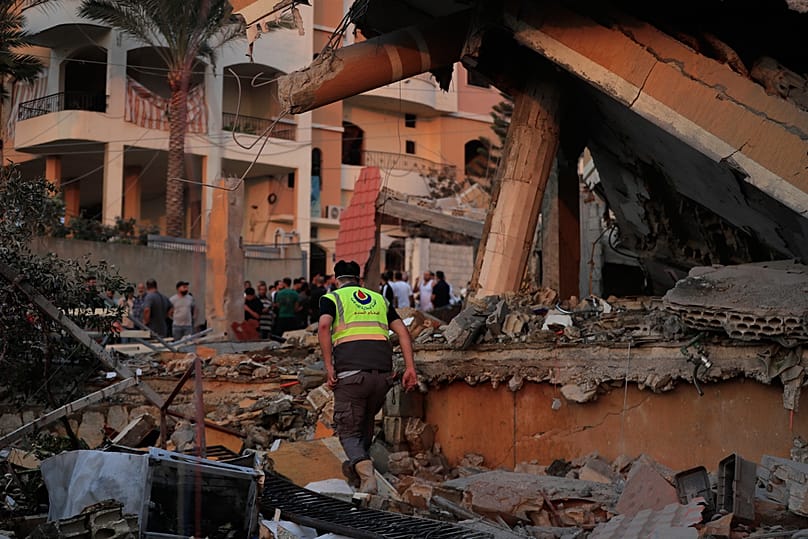
Israel claims that its near-daily strikes have targeted Hezbollah officials and military infrastructure. In contrast, the Lebanese government, which supports the disarmament of Hezbollah, argues that these strikes have targeted civilians and infrastructure unrelated to the Iran-backed group.
Hezbollah has refused to disarm, with its secretary-general, Sheikh Naim Qassem, stating that the group is prepared to fight regardless of how reduced its capabilities may be. However, analysts suggest that Israel’s air campaign over southern Lebanon, which began in September 2024, has significantly weakened the group’s military strength.
Both sides have accused each other of violating the ceasefire, which officially ended the Israel-Hezbollah war last November. The conflict initially began when Hezbollah started firing rockets into northern Israel in support of Hamas and the Palestinians, prompting Israeli airstrikes and artillery shelling.
According to Lebanon’s health ministry, more than 270 people have been killed and around 850 wounded by Israeli military actions since the ceasefire took effect.