
Honoring a Legend: LASU Celebrates the Life of Dr. Orlando Owoh
The Lagos State University (LASU) in Ojo recently held a special event to honor the life and contributions of the late legendary highlife musician, Chief Oladipupo Owomoyela, widely known as Dr. Orlando Owoh. The celebration included a colloquium and cultural display, organized by the School of Creativity, Culture and Tourism. This event was also an opportunity to recognize two prominent Nigerians with Ambassadorial fellowships.
Recognizing Outstanding Contributions
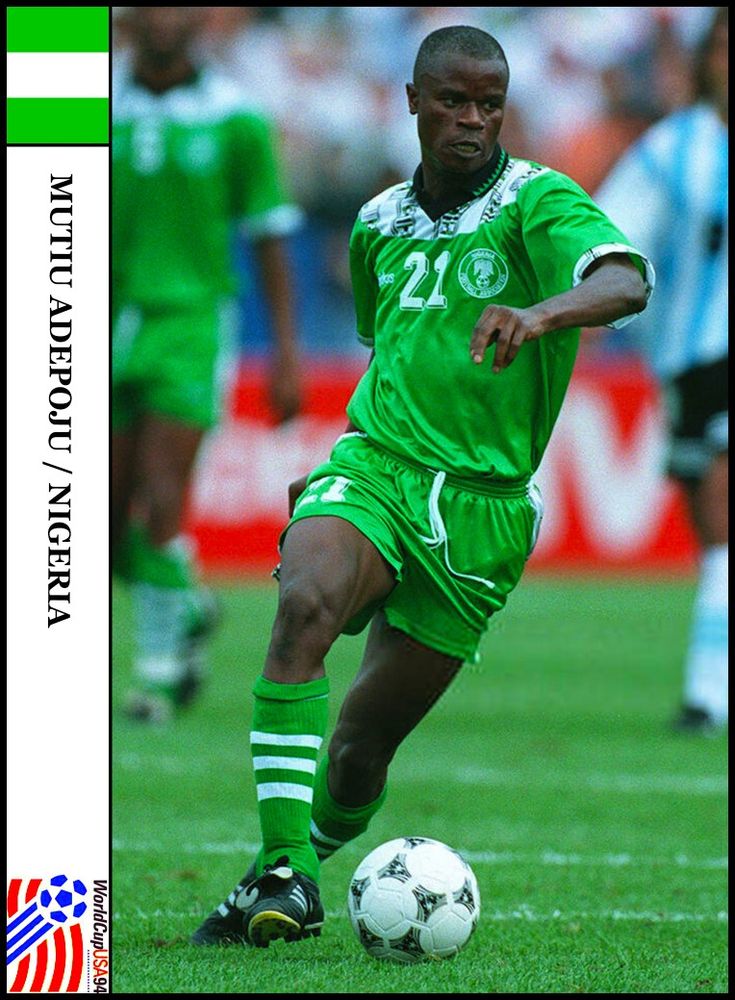
The School of Creativity, Culture and Tourism at LASU conferred Ambassadorial fellowships on two distinguished individuals. One of them is Chief Mutiu Adepoju, a celebrated football administrator and former international player and coach. The other is Dr. Adebusola Onilogbo-Odedina, a cultural advocate and Director of Administration and Human Resources at the Lagos State Council of Arts and Culture. Their recognition highlights their significant contributions to Nigerian society.
A Celebration of Legacy
During the event, the Dean of the School, Prof. Tunji Azeez, emphasized the importance of reflecting on the life of Dr. Orlando Owoh. He noted that the late musician’s work not only promoted culture and creativity but also touched lives beyond Nigeria. Prof. Azeez praised the family of Dr. Owoh, especially his three children—Orimipe, Kunle, and Daisi Owoh—who have followed in their father’s footsteps as musicians.
He described the music of Dr. Owoh as inspirational, aligning with various life purposes. The university views his legacy as a source of motivation for future generations.
Insights from a Music Scholar
A guest speaker, Professor Isaac Yekini-Ajenifuja, delivered a lecture titled “Reflecting the Contribution of Dr. Orlando Owoh.” In his talk, he detailed the life of the late music icon, including his ventures into theatre, military service, and full-time music career. He also discussed the circumstances surrounding Dr. Owoh’s death.
Professor Yekini-Ajenifuja praised Dr. Owoh’s virtues and highlighted his invaluable contributions to the music industry, national development, and society. He described Dr. Owoh’s ‘Kennery’ style of music as rich in creativity and culture. According to him, many of Dr. Owoh’s 45 albums drew inspiration from Yoruba folklore, personal experiences, and the Bible.
A Call for a Museum
The professor urged the government, particularly in the South-west geopolitical zone, and concerned individuals to establish a museum in honor of Dr. Owoh. Such a museum, he explained, would serve as a lasting legacy and a tourism site. It could generate employment and revenue while boosting the economy.
Family Appreciation and Future Plans
Speaking to Nigerian Tribune on the sidelines of the event, Orimipe Olatunbosun Owoh, the first son of Dr. Owoh and president of his global fans group, expressed deep gratitude to LASU for honoring his late father. He said the recognition would encourage the entire family, especially those involved in music, to continue contributing to the industry and national development.
He also mentioned his intention to follow up on the recommendation for a museum in honor of his father. He believes it would be a meaningful tribute and a valuable asset for the community.
Recognition of a Sports Icon
Chief Mutiu Adepoju, who received the Ambassadorial fellowship, expressed his delight at being honored by LASU. He considered the recognition a testament to his contributions through sports to Nigeria’s progress. He stated that the honor showed that his efforts had not been forgotten and that he felt humbled by the acknowledgment.
He also emphasized the connection between creativity in sports and culture, promising to promote the study and practice of culture and tourism in the country.
A Lasting Impact
Dr. Orlando Owoh passed away in 2008 at the age of 76. His legacy continues to inspire and influence many, both within Nigeria and beyond. The celebration at LASU serves as a reminder of the profound impact he had on music, culture, and society.