
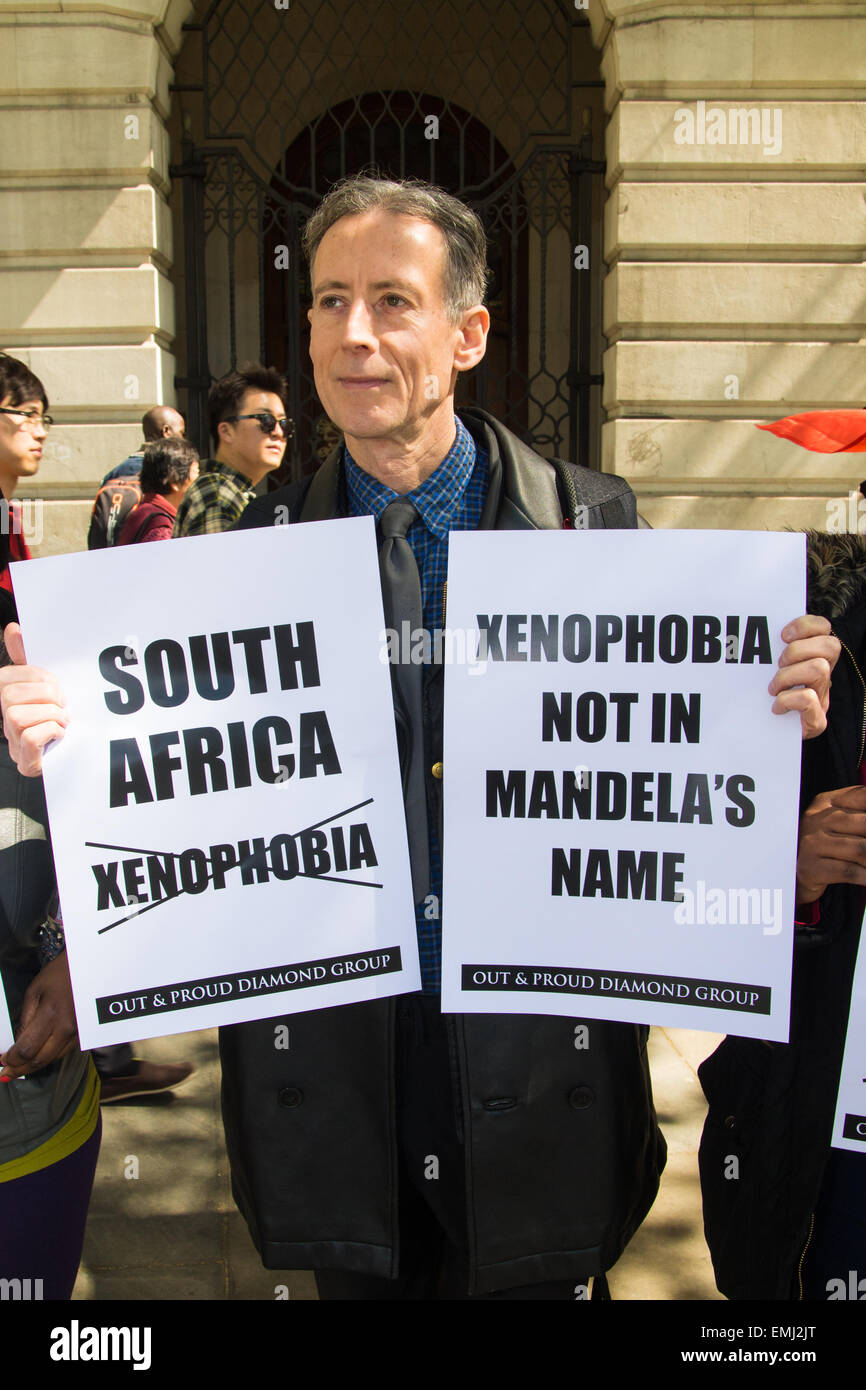
Growing Concerns Over Xenophobic Rhetoric in Tanzania
Three prominent human rights organizations have raised alarms over statements made by Tanzanian President Samia Suluhu Hassan and other senior officials, which suggest that foreign nationals, especially Kenyans, were involved in the violent unrest that followed the disputed October 29 elections in Tanzania. The claims, according to the organizations, are not only unfounded but also pose a serious threat to the safety of Kenyan citizens and other foreigners living in the country.
The organizations, including VOCAL Africa, Defenders Coalition, and Amnesty International Kenya, issued a joint statement in Nairobi on Friday, condemning the rhetoric as potentially inciting xenophobia. They warned that such statements could lead to harassment, arbitrary arrests, or even more severe consequences for Kenyan nationals in Tanzania.
Escalating Repression and Violations of Rights
The groups criticized the Tanzanian government for what they described as an “escalating repression” following the contested election, which saw President Suluhu re-elected with 98% of the vote—a result that was widely questioned by opposition parties and international observers. The statement highlighted the killing of a Kenyan teacher, John Okoth Ogutu, in Dar es Salaam on October 29, and the unlawful detention of Fredrick Lorent Obuya, another Kenyan national, who was reportedly taken into custody two days later and remains held incommunicado at Oyster Bay Police Station.
“These are not isolated incidents, but rather emblematic of the escalating repression unleashed by Tanzanian authorities against the public, journalists, and human rights defenders in the aftermath of the disputed elections,” the groups stated.
The organizations accused Tanzanian authorities of violating their own constitutional guarantees and international obligations, including under the East African Community (EAC) Treaty, the African Charter on Human and Peoples’ Rights, and the International Covenant on Civil and Political Rights.
Call for Action from Kenya
With up to 20,000 Kenyans residing and working in Tanzania, the organizations urged the Government of Kenya to take “unequivocal” steps to protect its citizens abroad. They emphasized that the Kenyan government has a duty to ensure the safety of its citizens and to demand accountability when their rights are violated.
The statement called on Nairobi to facilitate the immediate repatriation of Ogutu’s body to Kenya, conduct an independent postmortem in the presence of family members and observers, and secure the unconditional release of Obuya or charge him in court if there is sufficient evidence.
They further demanded a formal apology and reparations for the victims’ families, along with a comprehensive safety review for all Kenyans and other foreign nationals in Tanzania to prevent future violations.
If these actions are not taken, the groups vowed to pursue legal redress before the East African Court of Justice (EACJ) and the African Commission on Human and Peoples’ Rights (ACHPR).
Regional and International Calls for Intervention
The lobby groups also urged the African Union (AU), Southern African Development Community (SADC), East African Community (EAC), and the United Nations (UN) to intervene and safeguard both Tanzanians and foreign nationals affected by the post-election violence.
“We stand in solidarity with the people of Tanzania in their struggle for human rights, freedom, and dignity,” the statement declared.
Statements by President Suluhu
The statement comes after remarks by President Suluhu during her swearing-in ceremony in Dodoma on Monday, where she accused foreign actors of fueling unrest following the disputed October 29 General Election. She vowed to safeguard Tanzania’s peace and sovereignty “through all means and at all cost,” warning that her government will not tolerate any attempts to destabilize the nation following violent post-election protests.
“What happened does not align with the character of a Tanzanian. It did not surprise us to see that some of those arrested for causing disturbances came from outside the country,” she said.
“Our defense and security organs [are] continuing to investigate these incidents to return Tanzania to the peace we [are] accustomed to.”
Kenya’s Response
In Nairobi, Kenya’s Ministry of Foreign and Diaspora Affairs appealed to citizens with relatives in Tanzania to share names, addresses, and emergency contacts to help locate those possibly affected by the unrest. The Ministry said it was coordinating with the Kenyan High Commission in Dar es Salaam to ensure the safety and welfare of nationals living there.
“Dear Kenyans, the Ministry has heard your concerns and requests that you share the names and addresses of all Kenyans who may be exposed to any sort of danger in our neighboring or far-away countries,” the notice read.
“If possible, please include the name and contact information of a relative with whom the Ministry, the State Department for Diaspora Affairs, and Kenya Missions abroad — including the Kenya High Commission in Tanzania — can work.”