
Amnesty International Report Exposes Systemic Human Rights Violations Against Migrants in Tunisia
A recent report by Amnesty International has highlighted alarming human rights abuses against migrants and refugees in Tunisia, including sexual violence, torture, and racial profiling. The organization has called on the European Union (EU) to suspend its cooperation with Tunisia, citing concerns over complicity in these violations.
The report, released on Thursday, criticizes Tunisia for “widespread human rights violations” in its treatment of migrants and refugees. It also condemns the EU for “risking complicity” by maintaining cooperation with Tunisia as part of efforts to curb irregular migration across the Mediterranean.
Tunisia is one of several North African countries that have agreements with the EU, providing funding, training, and equipment for border control in exchange for preventing migrants from crossing into Europe. Under this arrangement, the EU currently designates Tunisia as a “safe” country. However, neither Tunisian nor EU authorities had responded to the accusations outlined in the report at the time of publication.
Systematic Abuses and Expulsions
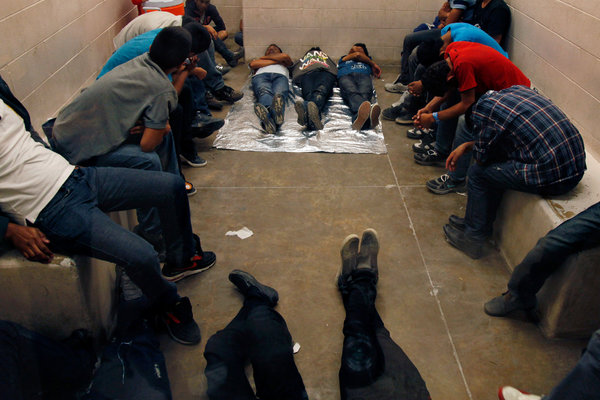
The report is based on nearly three years of research, including interviews with 120 refugees from nearly 20 countries, such as Guinea, Sudan, and Sierra Leone. It accuses Tunisian authorities and border control officials of committing a range of human rights abuses against migrants. These include rape and other forms of sexual violence, torture, physical abuse, arbitrary arrests and detention, and systemic racial profiling.
Amnesty International highlights that the system in place generally disregards the lives, safety, and dignity of refugees and migrants, particularly those who are Black. The report also documents forcible expulsions to unsafe third countries, which violate the principle of non-refoulement under international human rights law.
“The Tunisian authorities have presided over horrific human rights violations, stoking xenophobia, while dealing blow after blow to refugee protection,” said Heba Morayef, regional director for the Middle East and North Africa at Amnesty. “They must immediately reverse this devastating rollback by ending racist incitement and stopping collective expulsions that threaten lives.”
EU Accused of Complicity
The report also accuses the EU of complicity in failing to address these systemic violations committed under the guise of an EU-Tunisia partnership agreement. The organization calls on the bloc to ensure “effective” human rights safeguards and to suspend cooperation and funds aimed at border control and security enforcement.
“The silence of the EU and its member states over these horrific abuses is particularly alarming,” Morayef stated. “Each day the EU persists in recklessly supporting Tunisia’s dangerous assault on the rights of migrants and refugees … while failing to meaningfully review its migration cooperation, European leaders risk becoming complicit.”
Amnesty International argues that the EU is prioritizing the containment of migrants over the protection of their human rights. The report calls for an immediate halt to all cooperation with Tunisia until meaningful changes are made.
Pressure Mounts on EU Migration Policy
The EU faces increasing pressure over its cooperation with northern African states to limit migration to Europe. Critics argue that the EU is offshoring border control without ensuring proper safeguards, leading to serious human rights abuses.
In September, following reports of Libyan coast guards attacking a migrant rescue ship, Amnesty International joined other human rights groups in calling on the European Commission to suspend cooperation with Libya. The NGOs argued that eight years of EU support have not improved the human rights records of these actors but have instead enabled and legitimized abuses.
Human lives must not be disregarded in the name of border control.
This pressure has led to over a dozen sea-rescue organizations severing ties with Libya’s coast guard and forming an independent fleet. In October, the European Commission reaffirmed its readiness to work with Libya to improve the human rights situation in the country.
The Central Mediterranean remains the deadliest migration route in the world. The International Organization for Migration (IOM) has documented over 1,000 deaths and disappearances along this route in 2025 so far.