
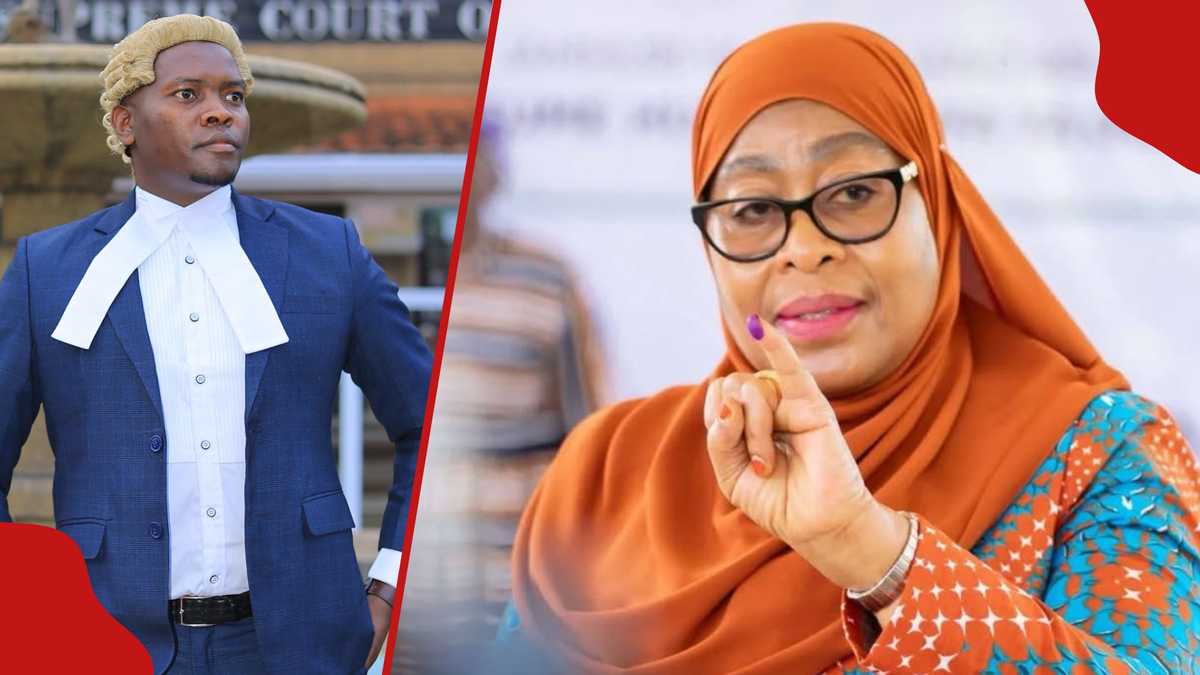
The Mirror of Democracy: Lessons from Kenya for Tanzania
Elections are the mirror through which a nation sees its democratic soul. When the mirror is clean, the reflection is clear — the people vote, the vote speaks, and power obeys. But when the mirror is smudged, cracked, or tilted, the reflection becomes distorted. When the reflection is distorted, trust begins to slip away.
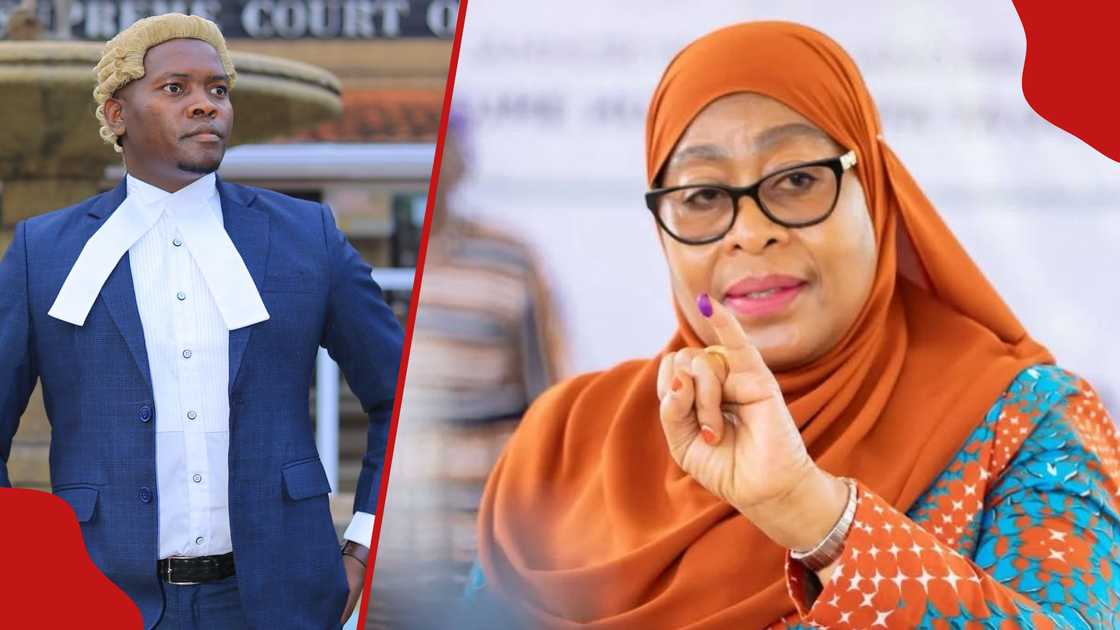
In recent times, Tanzania finds itself walking through this fog, where elections are held but citizens are left asking whether their voices truly shape their future. Meanwhile, Kenya — though not perfect — has built legal guardrails that allow the people’s will to be tested, proven, and defended in broad daylight. This is not merely a difference in law; it is a difference in democratic philosophy.
Can Tanzanian Presidential Election Results Be Challenged in Court?
Tanzania’s Constitution recognizes multiparty democracy and establishes the National Electoral Commission (NEC). Yet, beneath these democratic features lies a structural provision that has profound consequences: once the NEC declares the winner of a presidential election, the courts cannot question that result.
This creates a reality where victory may be declared, but not verified. Power may hear, but is not required to listen. A democracy without accountability is like a drum beaten only on one side — the sound will never be whole.
Across the border, Kenya chose a different path. The 2010 Constitution did not assume good faith; it built systems to ensure fairness, even when politics is contested.
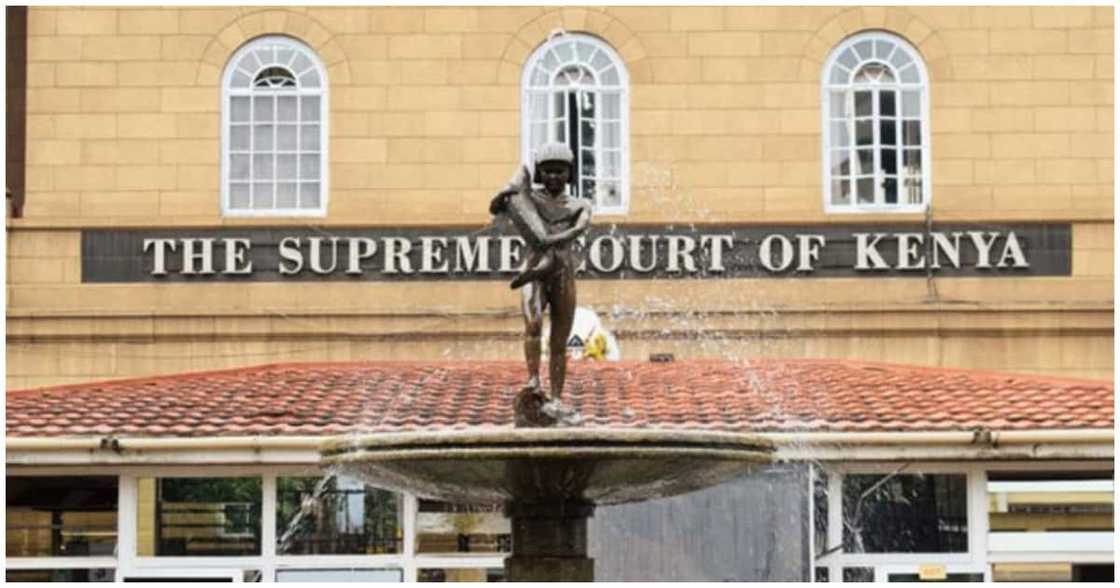
In Kenya, the presidential results can be challenged at the Supreme Court — and this has happened in living memory. The 2017 annulment of a presidential election remains one of the strongest affirmations that no office is above the Constitution.
How Can Tanzania Strengthen Its Democracy?
To strengthen its democracy, Tanzania must consider allowing presidential election petitions, reforming electoral commission appointments, ensuring transparent tallying, and protecting political participation for all parties.
A nation grows stronger not when it avoids scrutiny, but when it welcomes it — for the truth does not fear the light.
Key Recommendations for Democratic Reform
-
Allowing Presidential Election Petitions: Establishing a legal framework that permits challenges to election results in court would introduce a mechanism for accountability and transparency. This would ensure that the process is not only fair but also verifiable by an independent judiciary.
-
Reforming Electoral Commission Appointments: Ensuring that the composition of the electoral commission reflects a balance of political and civil society interests would enhance its credibility. An impartial and diverse commission is essential for conducting free and fair elections.
-
Ensuring Transparent Tallying: Implementing robust mechanisms for the transparent counting and verification of votes is crucial. This includes using technology, training poll workers, and allowing observers from various political groups to monitor the process.
-
Protecting Political Participation: Guaranteeing that all political parties have equal access to the electoral process and that their members are not harassed or discriminated against is fundamental to a healthy democracy. This includes ensuring that campaign regulations are applied fairly and consistently.
By adopting these measures, Tanzania can move toward a more resilient and inclusive democratic system. The lessons from Kenya demonstrate that a strong legal framework, coupled with a commitment to transparency and accountability, can significantly enhance public trust in the electoral process.
Ultimately, the goal is not just to hold elections, but to ensure that every citizen feels their voice is heard and valued. Only then can a nation truly reflect its democratic soul.