
The Women, Peace and Security Agenda: A Quarter-Century of Progress and Persistent Challenges
Twenty-five years after the launch of the Women, Peace and Security (WPS) agenda, the United Nations is sounding a warning about the lack of full and equal participation of women in peace processes. Despite global efforts to promote gender equality and inclusion, women remain underrepresented in key roles during conflict resolution and post-conflict recovery.
This concern comes at a time when global conflict is at an all-time high. In 2024, the world witnessed 61 active conflicts involving at least one state, according to the Uppsala Conflict Data Programme (UCDP), the highest number since 1946. In the same year, nine out of the ten peace processes had no women negotiators, with women making up only 7% of negotiators and 14% of mediators globally, as reported by a UN study.
“25 years later, the world is still choosing war over peace and women are still paying the price,” said Kirsi Madi, Deputy Executive Director of UN Women, during her opening remarks at a photo exhibition in Brussels celebrating the WPS agenda.
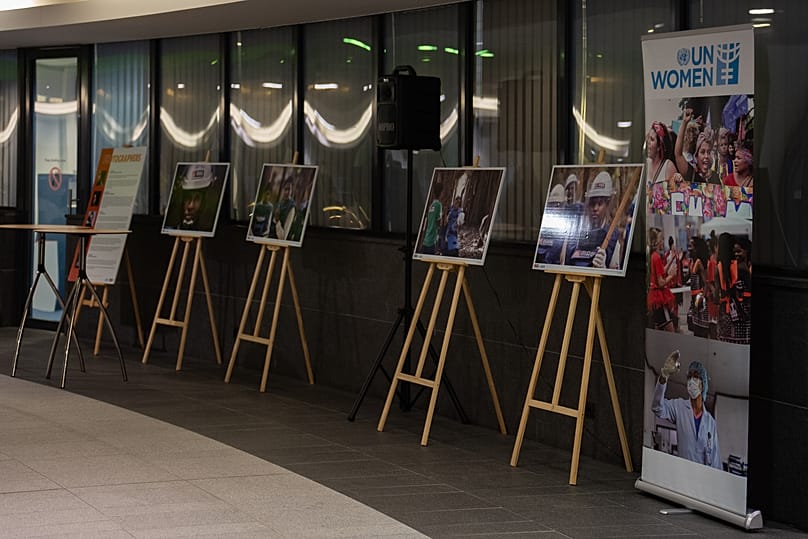
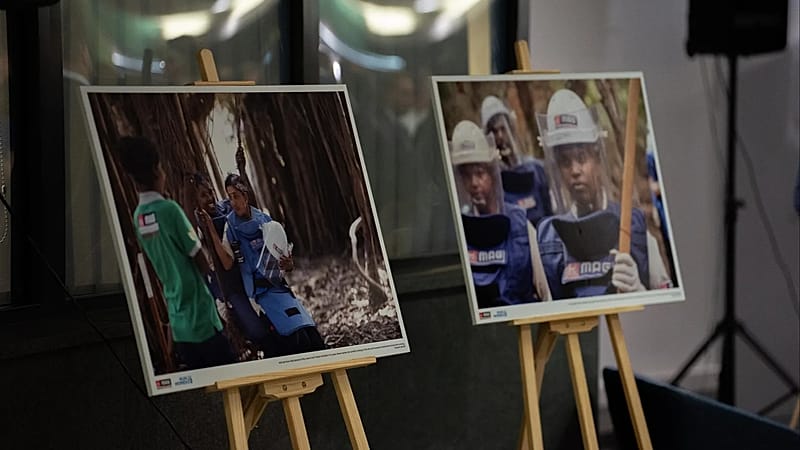
The photographs on display depict women on the frontlines, leading mediation efforts, supporting survivors, and rebuilding communities after conflict. “I hope that this exhibition inspires all of us to reaffirm women’s central role in peace and security, and to ensure that gender equality remains at the heart of global peace building and development,” Madi said.
What Is the Women, Peace and Security Agenda?
On 31 October 2000, the UN Security Council adopted Resolution 1325, a landmark decision that recognized the disproportionate impact of armed conflict on women and girls. It called for their equal participation in conflict prevention, resolution, and post-conflict recovery.
This resolution laid the foundation for the WPS agenda, a global framework aimed at promoting gender-responsive approaches to peace and security. Since its adoption, the UN Security Council has passed nine additional resolutions on the WPS agenda, and over 100 countries have implemented National Action Plans to meet its commitments.
The anniversary of the WPS agenda coincides with the 30th anniversary of the Beijing Declaration and Platform for Action, a global blueprint for advancing women’s rights that provided the foundation for the WPS agenda.
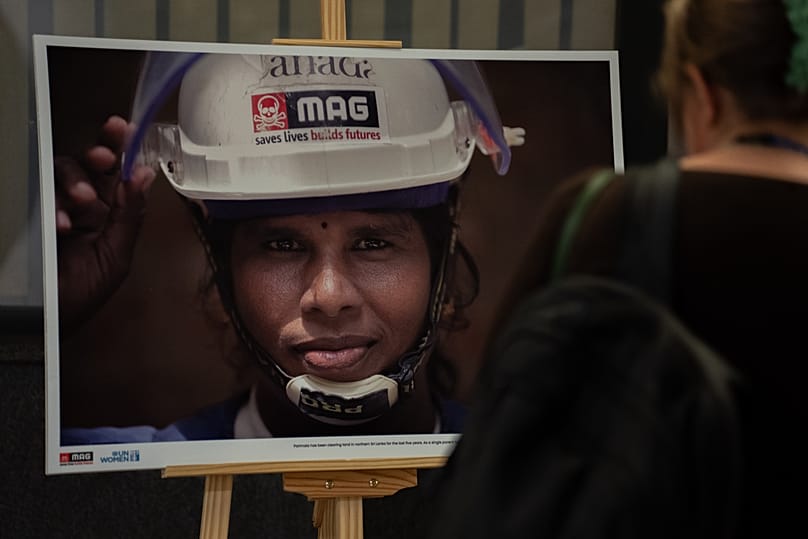
Among the works displayed in Brussels are photographs fromThe Female Lensproject by the Mines Advisory Group (MAG). This humanitarian and peacebuilding organization collaborated with five women photographers to capture the vital role women play in rebuilding communities after conflict.
“I don’t know why people actually invest in war, but not peace,” said Maryam Ashrafi, a Paris-based Iranian photographer who worked with MAG. She joined a team of women deminers in Sri Lanka, who often begin their days early, working in heavy gear and intense heat to remove and clear explosive remnants of war from the country’s former frontline.
Decades after the end of Sri Lanka’s civil war, Ashrafi noted, the country is still in recovery. “People think that when war is over, peace comes quickly,” she said. “But it’s a long way to peace and security.”
As a survivor of an improvised explosive device (IED) blast herself, Ashrafi emphasized the importance of addressing the aftermath of war, noting that conflict can have long-term consequences, which are often overlooked.
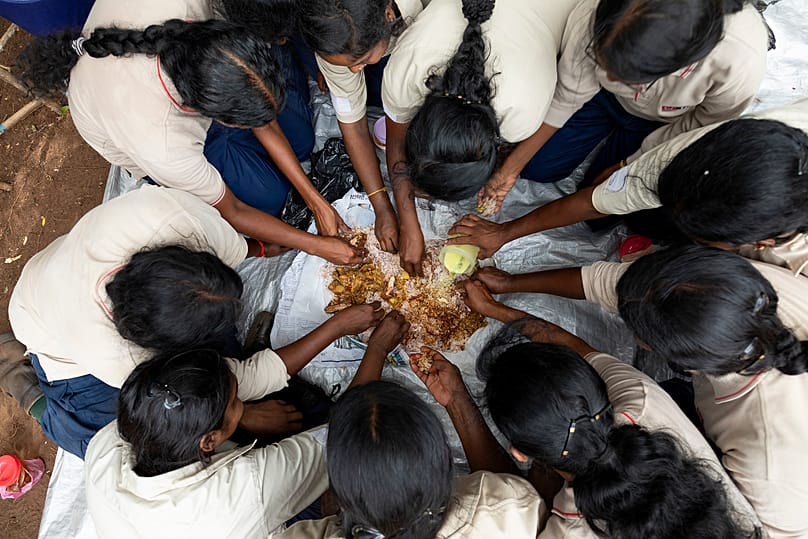
Despite the perilous nature of the team’s work, many of Ashrafi’s photographs convey an unexpected sense of humanity. Reflecting on one image showing women seated in a circle sharing lunch, she explained: “They had a space where everyone placed their food together. One of the women told me, ‘Not all of us can afford to bring lunch, so this way we all feel like we are together.'”
Grassroots Women’s Organisations Leading the Way
The temporary exhibition in the Belgian capital serves as a reminder of the importance of women in peacekeeping processes, not just at the negotiating table, but on the ground as well. “From villages rebuilding after the war to negotiation rooms in major capital cities, there is no security, no lasting peace without women as active participants in the process,” said EU foreign policy chief Kaja Kallas at the exhibition’s inauguration.
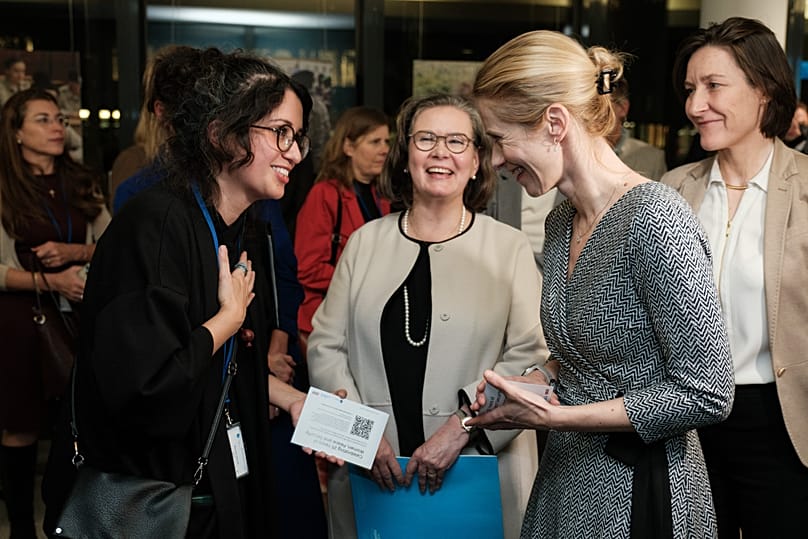
Kallas announced that the EU would contribute an additional €12 million to support civil society organizations operating in the Middle East and the Great Lakes region. “This funding will strengthen and support women’s organizations in conflict, including the protection of women human rights defenders,” she said.
Despite the progress made by the WPS agenda over the past 25 years, a UN report revealed a global backlash on women’s rights in a quarter of countries in 2024, making the work of women human rights defenders increasingly dangerous. The protection of human rights and women’s rights is now more urgent than ever.
Through its ProtectDefenders programme, the EU has supported more than 5,000 women human rights defenders, said EU Ambassador for Equality Aude Maio-Coliche, highlighting the bloc’s commitment to working closely with civil society organizations. “In 2024, we had nearly €30 million allocated for women’s organizations and the level of financing has tripled over the past three years,” she added.
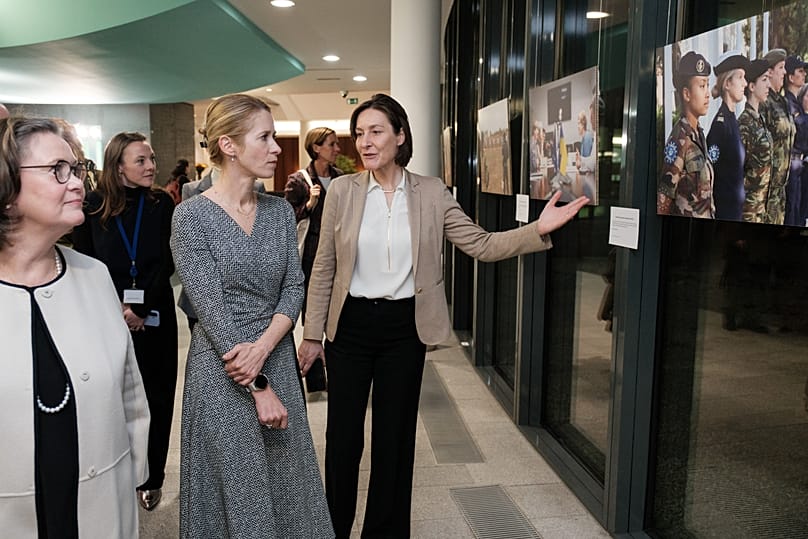
The EU ambassador acknowledged the number of countries committed to the WPS agenda but stressed that, despite this progress, there is a “need to update the agenda, it needs to be put back on the table.”
Today’s rapidly evolving societal, environmental, and geopolitical landscape has brought new challenges to the WPS agenda, issues that were largely absent two decades ago, including the growing threat of climate change, artificial intelligence, and online violence.
The reduction in international aid from donors stands in sharp contrast with the increase in military spending, proving to be another major hurdle to women’s full and equal participation in peace processes.
“Security is not just the absence of war, but security also means that communities are protected, that they have opportunities, that there is cohesion and they are protected and human rights are guaranteed,” said Madi.
She called it an “uphill battle” with many remaining barriers in place, “so this is where we need a strong commitment and not just the commitment in words, but really make sure that there’s a true accountability.”