
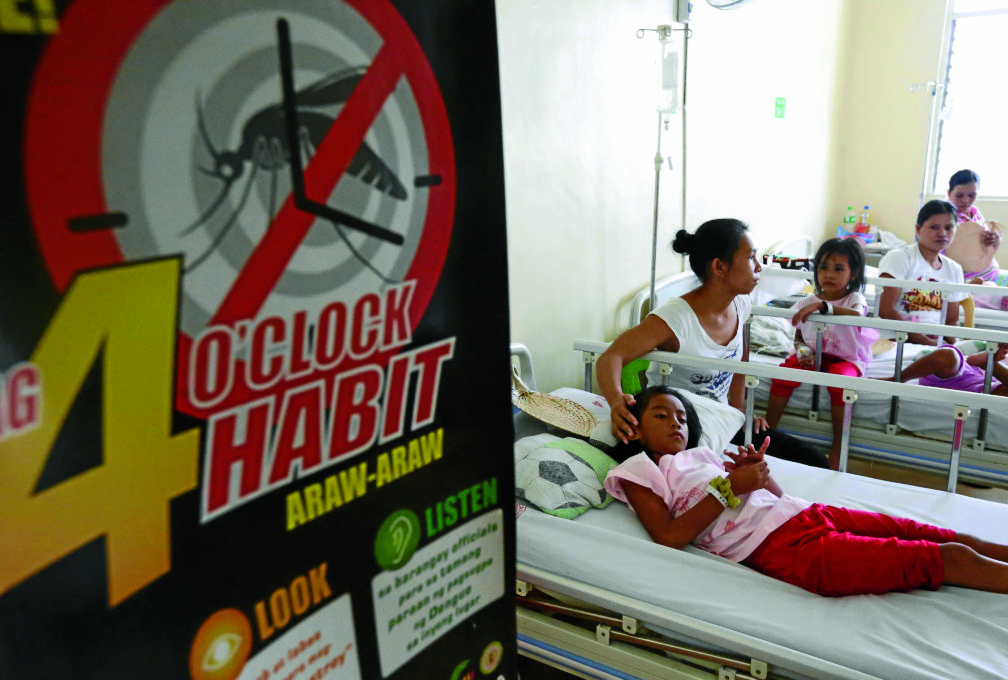
Intensified Anti-Dengue Campaign in Islamabad
The district administration has significantly stepped up its anti-dengue campaign across Islamabad, implementing extensive field operations to curb the spread of the virus. According to the latest report, field teams have inspected a total of 42,734 sites and carried out fogging at 1,559 high-risk locations within the past 24 hours.
During this period, 27 new dengue cases were confirmed in the federal capital, with 18 cases reported from rural areas and 9 from urban sectors. Currently, 68 patients are undergoing treatment at various hospitals throughout the city. The inspections also revealed larvae at 274 sites, while nine sites tested negative, indicating that breeding hotspots still require immediate attention. The administration has been conducting door-to-door inspections and larvae removal operations daily in all union councils as part of the ongoing campaign. All anti-dengue teams have been instructed to respond swiftly to any reports of larvae breeding. Additionally, regular surveillance is being conducted in residential, commercial, and open areas, including under-construction buildings and stagnant water sites.
Public Cooperation is Key
Officials have emphasized the importance of public cooperation in protecting the city from dengue. Residents have been urged to maintain cleanliness in their homes and surroundings and avoid water accumulation in open containers, pots, or rooftops. The administration highlighted that standing water is the primary breeding source for dengue mosquitoes and requires continuous monitoring. To further strengthen prevention efforts, special squads have been deployed for fogging and spraying operations in dengue-prone localities. These include rural zones, slum settlements, and areas with ongoing construction activities.
Health teams are also conducting awareness drives to educate citizens on identifying mosquito breeding spots and taking preventive measures to protect their families. The report reaffirmed that all anti-dengue measures will continue without interruption until the situation is completely under control. The administration is working closely with health departments, hospitals, and local bodies to track new cases and ensure prompt medical response.
Ongoing Monitoring and Data Review
Officials added that data collected from field operations is being regularly reviewed to identify new risk areas and improve response strategies. The administration has assured that every possible effort is being made to eliminate dengue larvae through coordinated action and strict monitoring. Citizens have been reminded to report suspected dengue sites or stagnant water to local authorities. The administration maintains that only through public participation and timely preventive action can Islamabad be made dengue-free.
Strategies to Combat Dengue
To address the growing concerns about dengue, the administration has implemented several key strategies:
- Regular Inspections:Teams conduct daily inspections in all union councils to identify and remove larvae.
- Fogging Operations:Special squads are deployed in high-risk areas for fogging and spraying to reduce mosquito populations.
- Public Awareness Campaigns:Health teams are educating residents on how to recognize and eliminate breeding spots.
- Surveillance in Vulnerable Areas:Surveillance is being conducted in residential, commercial, and open spaces, including under-construction buildings and stagnant water sites.
- Community Involvement:Residents are encouraged to report any signs of breeding or stagnant water to local authorities.
The administration continues to emphasize the need for sustained efforts and community involvement in the fight against dengue. By maintaining vigilance and taking proactive steps, Islamabad aims to create a safer environment for its residents.