
Rising Division and Declining National Pride in Modern Britain
Recent research has highlighted a significant shift in public sentiment across the United Kingdom, with national pride at an all-time low and societal divisions reaching alarming levels. According to a major study conducted by King’s College London in collaboration with Ipsos, a pollster, 80% of respondents feel that the nation is more divided than ever. This figure represents a five-point increase from two years ago and a ten-point rise since 2020.
The survey also revealed that half of the population believes Britain’s culture is changing too quickly, a sentiment that has grown from one-third in previous years. These findings paint a troubling picture of a society grappling with identity and cohesion.
A Drop in National Pride Across All Age Groups
One of the most concerning aspects of the study is the decline in national pride among all age groups. Only 46% of people surveyed said they felt proud of their country, marking a ten-point drop from 2020. This trend suggests a deepening sense of disillusionment with the nation’s direction and values.
The researchers behind the study described the results as “frightening,” emphasizing that they reveal an increasingly polarized and disheartened society. The data underscores a growing disconnect between citizens and the national identity that once united them.
Real-Life Examples of Discontent
This sense of division was brought into sharp focus when 100-year-old veteran Alec Penstone expressed his belief that winning World War II was not worth it due to the current state of the country. His comments resonated with many who feel that the nation has lost its way.
In another instance, Mail readers were asked whether the Villa vs Maccabi FC match should proceed despite threats of violence from Muslim protestors. Out of over 9,000 votes, 70% supported the game going ahead, while 30% opposed it. This split highlights the ongoing challenges in maintaining social harmony and addressing differing perspectives within the community.
Questions About the Future of British Identity
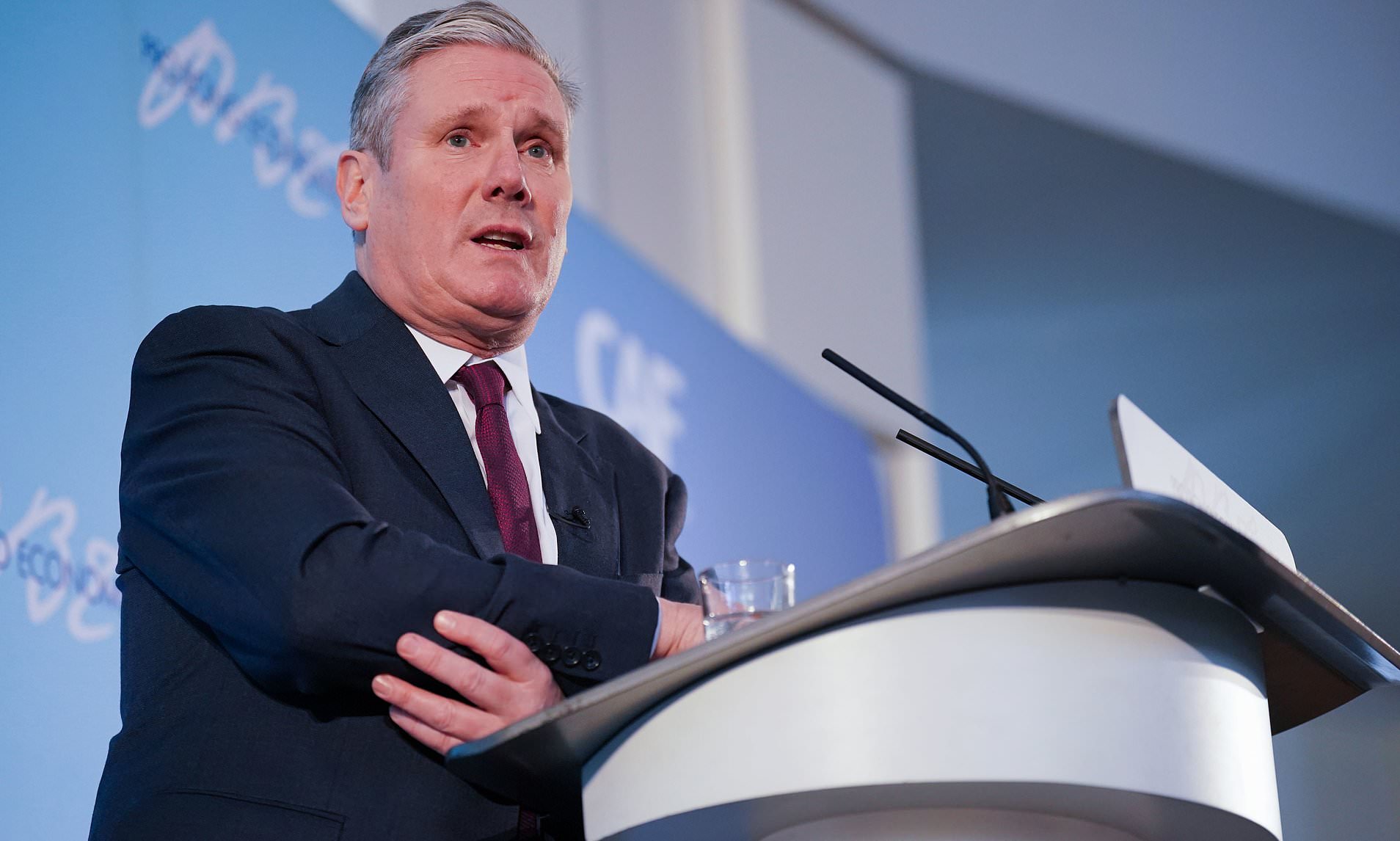
These findings have sparked a broader conversation about the future of national pride in the UK. Has national pride truly collapsed in Keir Starmer’s Britain, creating alarming divisions and discontent across age and party lines? Is Britain losing its wartime spirit of unity and purpose in today’s divided society?
Additionally, there is a growing concern about the dwindling pride in the nation’s illustrious history. While 86% of people cherished the past a decade ago, only 64% do so now. This shift raises questions about how the younger generation perceives the country’s legacy and what this means for the future.
The Impact on Military and Political Leaders
The dramatic decline in British national pride among Gen Z has also raised alarms among military and political figures. They worry that a lack of national pride could weaken the sense of unity and purpose that has historically defined the country. As the nation faces new challenges, the question remains: can Britain find a way to rekindle its spirit and rebuild a shared sense of identity?
As these issues continue to unfold, it is clear that the path forward will require careful consideration and collective effort to address the underlying causes of division and disillusionment.